 Free shipping on orders over £29,85
  Shipping Tracking!


 Google
 Facebook
← Back to How to Make a Silicone Rubber and Plaster Mould?
Bubbles are a common frustration in plaster casting, often leading to surface flaws or weak spots in your finished piece. With careful technique and a few simple tricks, you can achieve smooth, professional results while capturing every detail from your mould.
Why Do Bubbles Form in Plaster Casts?
When you mix plaster, air becomes trapped both in the mix and against the surface of the mould. These air pockets can rise through the slurry and settle near the surface, hardening in place as unsightly or structurally weak bubbles. Certain mould materials and casting conditions can make trapped bubbles more likely, especially with intricate or textured moulds.
Proven Techniques for Bubble-Free Casts
- Pour Slowly and Steadily: Always pour plaster in a thin stream from one spot, letting it gently flow over the surface of your silicone rubber mould.
- Agitate the Mould: Gently tap, shake, or vibrate the filled mould for a few minutes. This helps trapped bubbles rise to the surface and escape before the plaster sets.
- Use a Surfactant: For improved results, a couple of drops of a gentle surfactant (such as a mild washing-up liquid diluted in water) can be brushed into the mould before pouring. This helps reduce surface tension, allowing air bubbles to slide off detailed surfaces more easily.
- Mix Carefully: Avoid whipping air into the mix. Stir slowly and scrape the sides of your mixing container for an even consistency without extra bubbles.
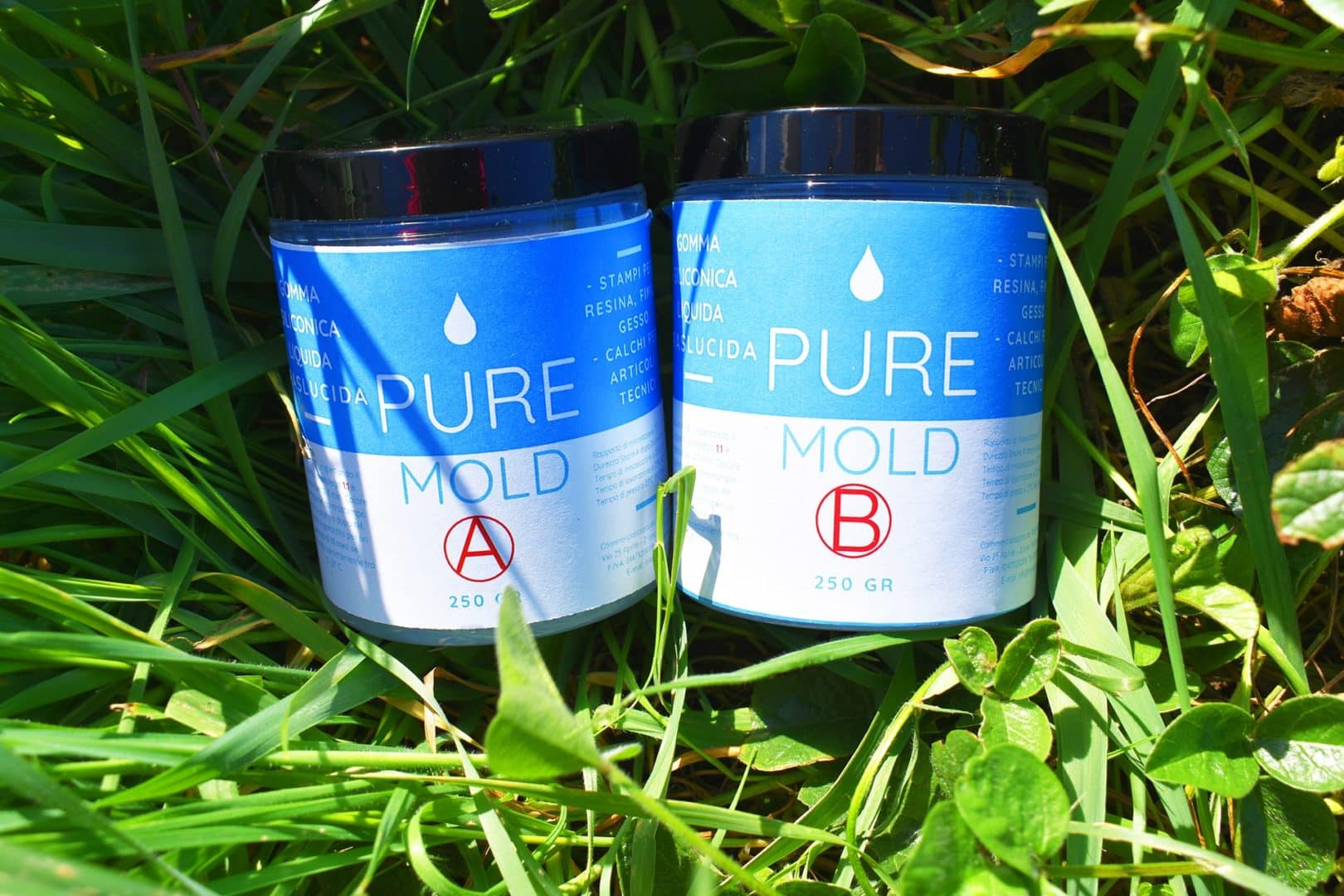
If using high-fidelity silicone rubber moulds like the “Pure Mould” liquid silicone rubber, its smooth and non-porous surface also discourages air pockets, making de-moulding sharp details easier.
When Paying Attention to Bubbles Matters Most
Minimising bubbles is crucial when casting fine detail, creating thin or delicate sections, or when finish quality is important—such as with model making, replica work or when preparing a master for further moulding. Good bubble control reduces finishing time and produces far stronger, longer-lasting casts.
Related products
Related guides
Mastering bubble-free plaster casting elevates any project—whether you’re working with silicone rubber and plaster for creative crafts or professional mould making. For step-by-step mould making advice, explore more guides on how to make a silicone rubber and plaster mould.