 Free shipping on orders over £29,85
  Shipping Tracking!


 Google
 Facebook
← Back to How do you calculate epoxy resin?
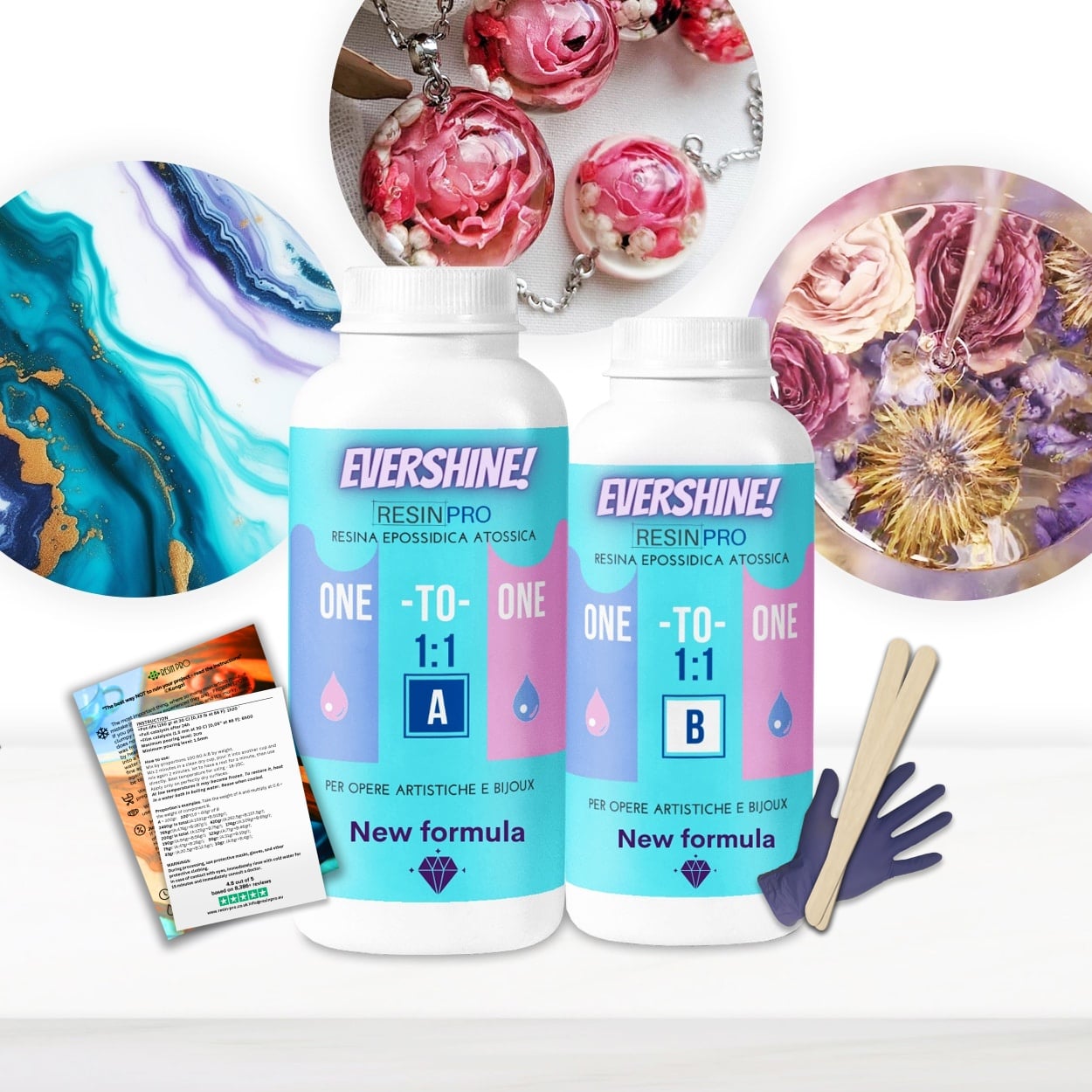
Accurately calculating the amount of epoxy resin you need for jewellery projects is important for achieving clear, bubble-free results and avoiding wasted materials. A little preparation ensures your creative ideas come to life with ease.
Measuring Your Jewellery Mould
Start by determining the volume of your jewellery mould. The most straightforward way is to fill the mould with water and then pour it into a measuring cup to see how many millilitres (ml) it holds. This measurement directly tells you how much mixed epoxy you’ll need to completely fill the mould without spillage or shortage.
- For standard moulds, use a syringe or small measuring cup for accuracy.
- Record mould volumes for future reference to save time on repeat projects.
Mixing Ratios and Accurate Pouring
Many epoxy resins designed for jewellery, such as the One-2-One, use a simple 1:1 ratio by volume: equal amounts of resin and hardener. Once you know the total volume required, simply divide the measurement in half to get the amount of each component you’ll need to mix. Pour both into a clean cup and mix thoroughly, ensuring no streaks remain before pouring into your mould.
- Use separate measuring containers for resin and hardener to maintain precision.
- Mix slowly to minimise air bubbles and achieve a crystal-clear finish.
Selecting the Right Resin for Your Project
Jewellery often benefits from resins with a flawless finish and good clarity. For small charms or pendants up to 2cm thick, opt for an ultra-clear resin like Trasparente. For robust, decorative pieces, a non-toxic, easy-mix formula such as One-2-One is a solid choice. Always ensure your chosen resin suits the mould thickness and desired finish for your item.
When this matters
Taking the time to accurately measure and mix resin is especially vital when working with custom or unusual mould shapes, as errors can lead to wasted resin and unsatisfactory results. This approach ensures consistent, high-quality jewellery every time.
Related products
Related guides
Mastering the calculation and mixing process for epoxy resin is key to beautiful handmade jewellery. For more tips and guidance on getting your resin measurements right, visit our main page on calculating epoxy resin.