 Free shipping on orders over £29,85
  Shipping Tracking!


 Google
 Facebook
← Back to How Does Two-Component Resin Work?
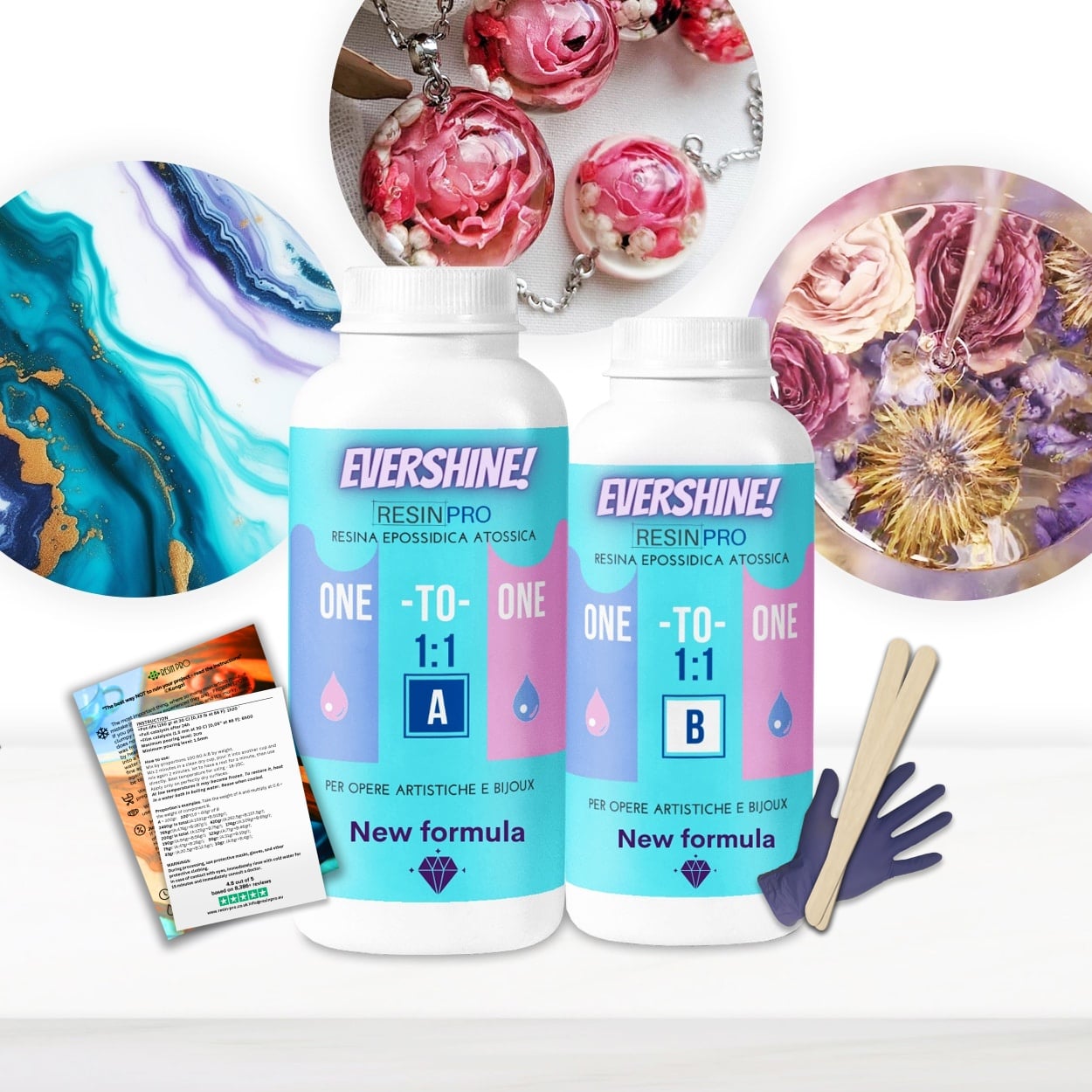
Tinting or colouring two-component resins is an excellent way to personalise and enhance your creative or repair projects. With the right approach, a wide range of colours and effects are achievable without compromising resin quality.
How to Add Colour to Two-Component Resins
Two-component (2K) resins like epoxy or polyester can readily accept compatible pigments or dyes before application. To colour your resin, first mix the resin and hardener according to the specified ratio. Next, add a small amount of your chosen pigment or dye and stir thoroughly for an even tone. Using pigments designed specifically for the type of resin ensures smooth blending and reliable results. “One-2-One” epoxy resin, for example, blends easily with quality colourants for clear or opaque finishes.
Best Practices for Tinted Resin Projects
- Always use pigments or dyes labelled as compatible with your resin type.
- Add colour gradually to control intensity, mixing slowly to avoid bubbles.
- Test a small batch first to check colour payoff and curing.
- Avoid overloading with pigment, as excessive colourant can affect curing and clarity.
When Custom Colouring Matters
Tinting your resin is particularly useful for decorative applications—such as jewellery making, coatings, and bespoke repairs—where a personalised finish or a specific colour match is valuable. It’s also essential in projects where aesthetics need to closely align with an existing palette or design.
Related products
Related guides
With two-component resins, customising colour is both practical and rewarding. Always remember to choose suitable pigments and check compatibility, and you’ll expand the creative possibilities of your next project. To discover more ways to use resins, visit our How Does Two-Component Resin Work? guide.