 Free shipping on orders over £29,85
  Shipping Tracking!


 Google
 Facebook
← Back to How do you use epoxy putty?
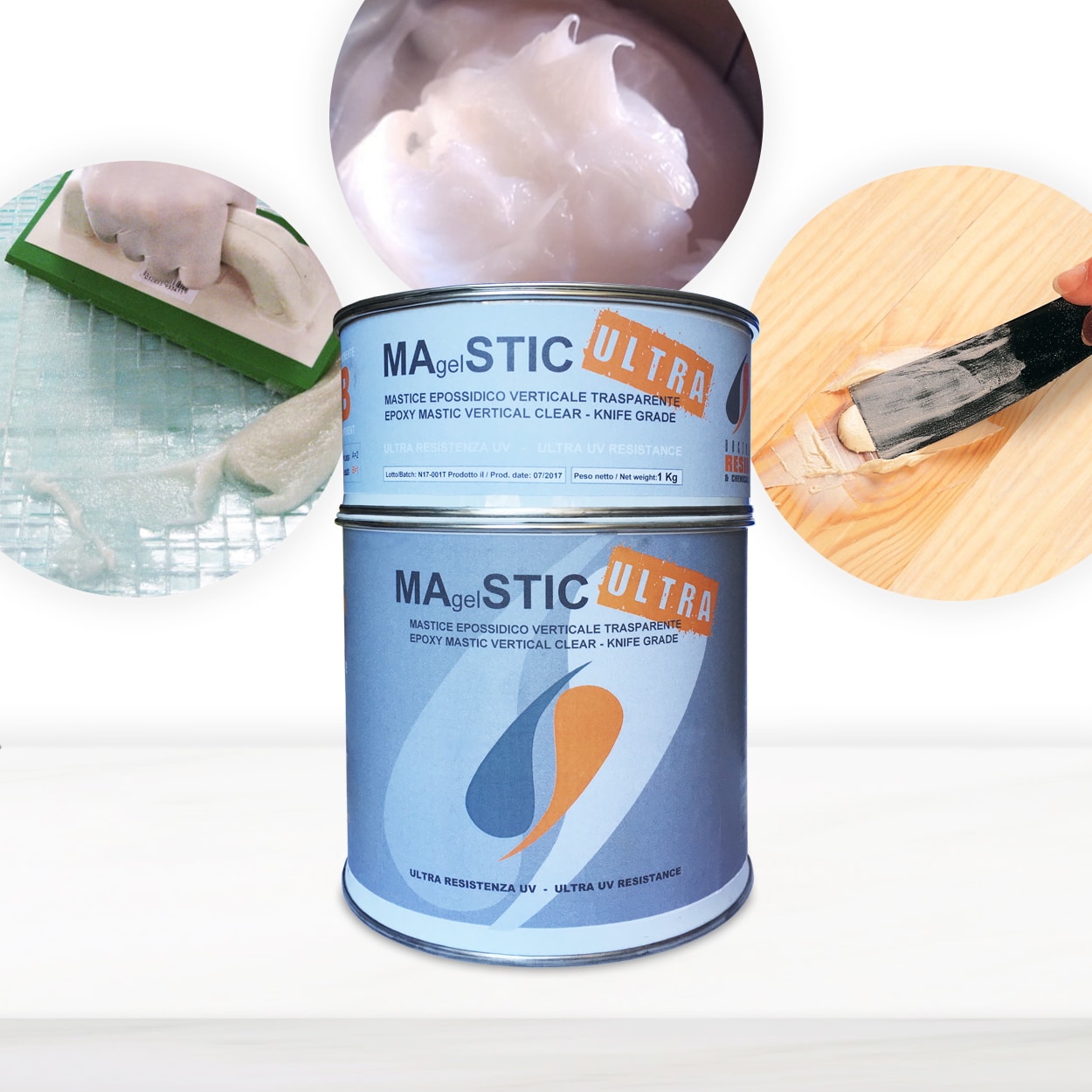
Epoxy putty is highly regarded among DIYers, tradespeople, and renovators for its ability to create strong, lasting repairs across a range of materials. If you’re wondering if it adheres well to metal, plastic, wood, or stone, the answer is yes—with the right preparation.
Versatility Across Common Materials
Modern two-part epoxy putties excel at bonding metal, plastic, wood, and stone. The formula’s reliable adhesion makes it a practical go-to for numerous repair and restoration projects. Many products, such as Magelstick Epoxy Mastic, are specifically designed to handle surfaces from natural stone and metal to engineered composites and cement. For best results, always make sure surfaces are dry, free from contaminants, and suitably abraded to improve grip.
How to Prepare and Apply for Maximum Bond
- Surface Preparation: Remove dust, grease, loose paint, or rust. Light sanding helps epoxy putty bite into smooth plastics or metals.
- Mixing and Application: For most putties, knead the two components until the colour is uniform before pressing it firmly into place.
- Finishing Touches: Shape as required before the putty sets—many products harden within minutes, allowing sanding or painting once fully cured.
When This Matters
Choosing the right epoxy putty is critical when patching cracks in stone, bonding metal frames, or making invisible timber repairs. Some products are ideal for outdoor jobs where weather or UV resistance is a must. For tasks in damp or wet conditions, fast-set options such as “Klebfix” can be handy.
Related products
Related guides
Whether you’re fixing, restoring, or crafting, epoxy putty is a flexible solution across materials like metal, plastic, wood, and stone. For detailed tips on use and selection, see the parent epoxy putty guide.