 Free shipping on orders over £29,85
  Shipping Tracking!


 Google
 Facebook
How do you use epoxy putty?
Master the essential process for strong, seamless epoxy putty repairs.
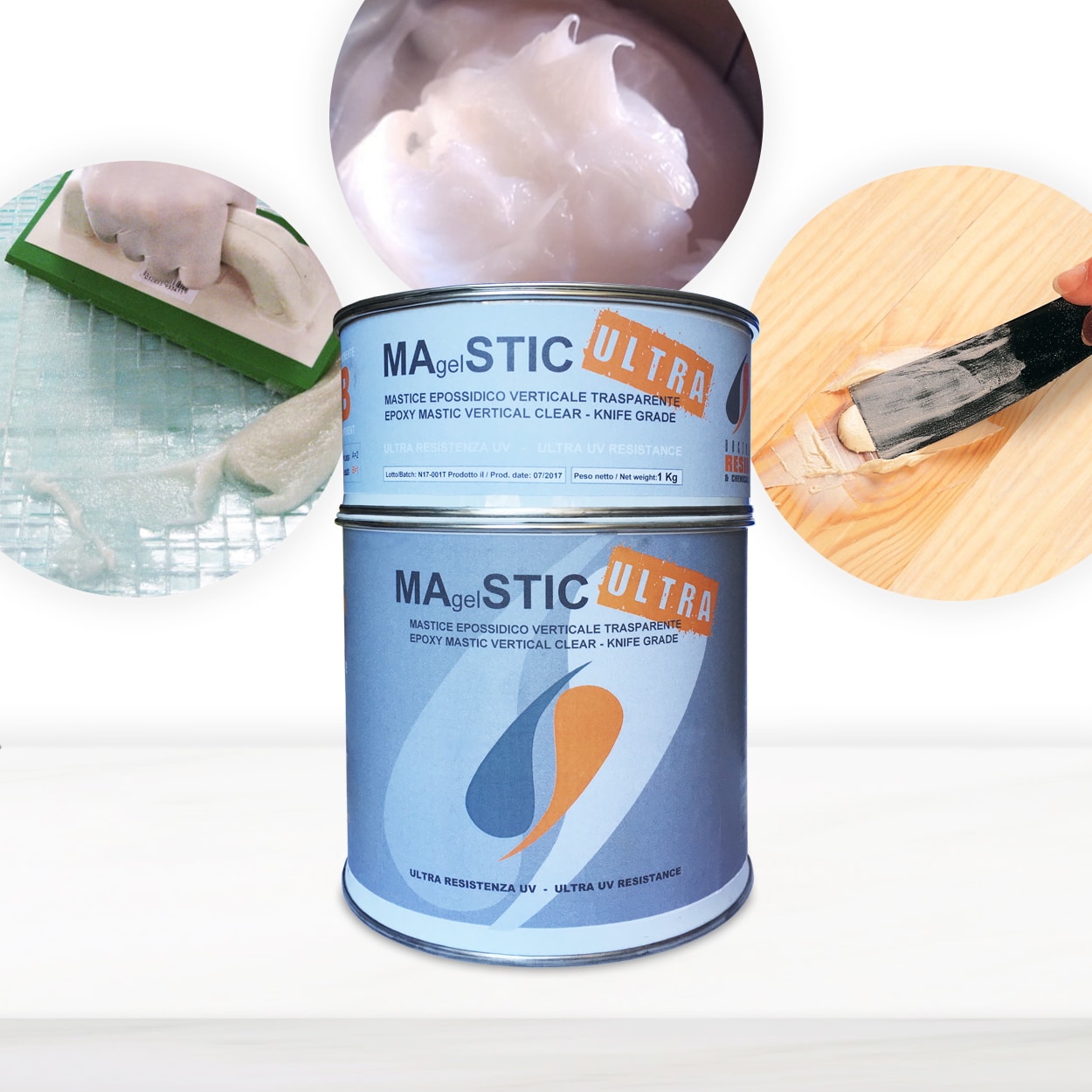
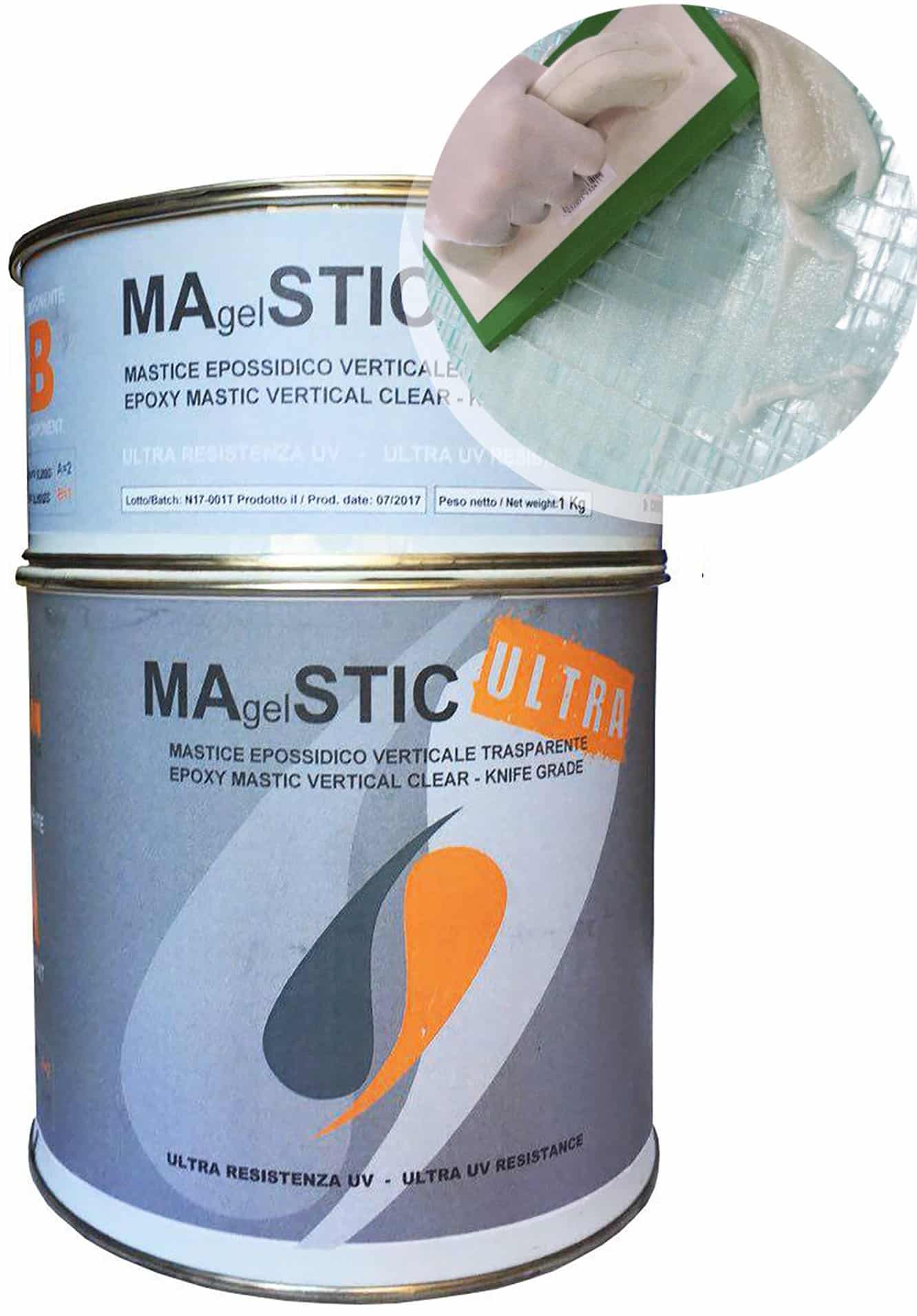
Epoxy putty is a versatile repair material widely used for filling, bonding, and restoring damage on a huge range of surfaces—such as stone, metal, wood, and vehicle body panels. Whether you’re addressing cracked stonework, repairing metal joints, or fixing dents in a car, understanding the right way to use epoxy putty ensures long-lasting, professional results. This guide walks you step by step through the complete process, including best practices and common pitfalls to achieve a seamless, durable repair every time.
What You’ll Need
- “Magelstick” – Epoxy Mastic for Stone, Metal, and Cement Bonding and Grouting: Ideal for stone, metal, and cement repairs, especially on vertical surfaces.
- “Klebfix” – Two-Component Fast Epoxy Glue 2K, 25g Syringe: Great for small, fast repairs on plastic, glass, metal, and wood.
- “FixExpress” – Two-Component Epoxy Glue 500g: Suitable for rapid repairs on multiple materials where a robust bond is needed.
- CROP 2K Fiberglass Putty – 750 ml + Hardener: Best for filling cracks and dents on bodywork and areas requiring reinforced strength.
- Protective gloves and eyewear
- Mixing board or pad and spatula
- Abrasive paper (various grades) for surface preparation and finishing
- Clean cloth and suitable cleaner/degreaser
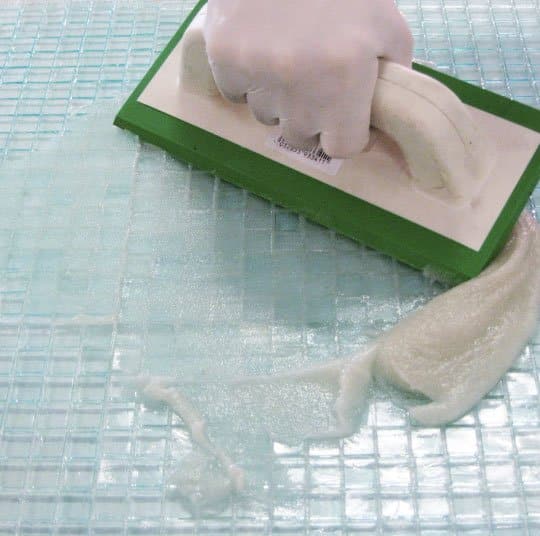
Visual Guide: Epoxy Putty Tools and Surfaces
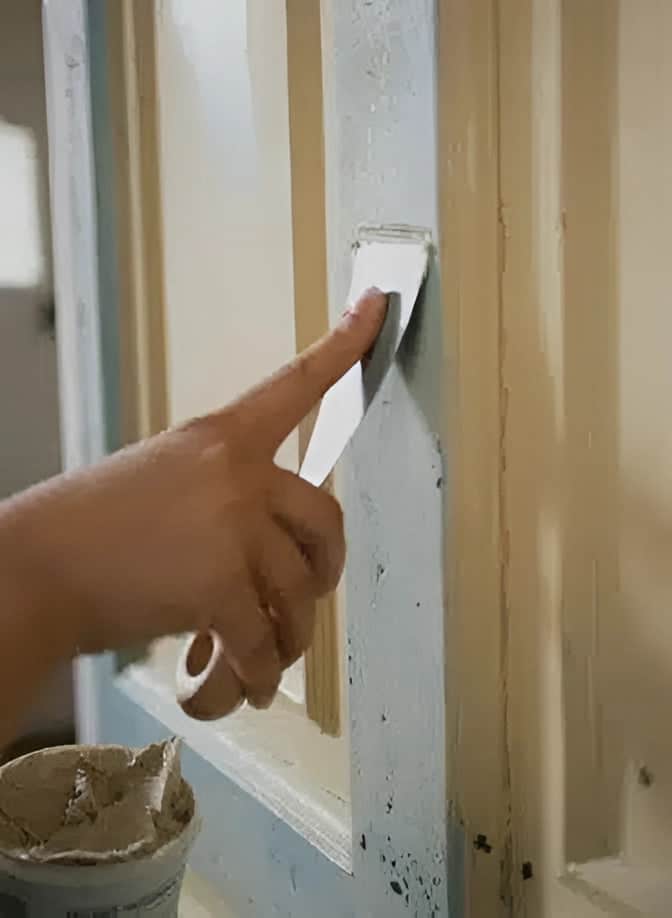
See typical tools and substrate examples used when working with epoxy putties, including spatulas, mixing boards, and common repair surfaces. Proper preparation makes all the difference—review the basics visually before starting your project.
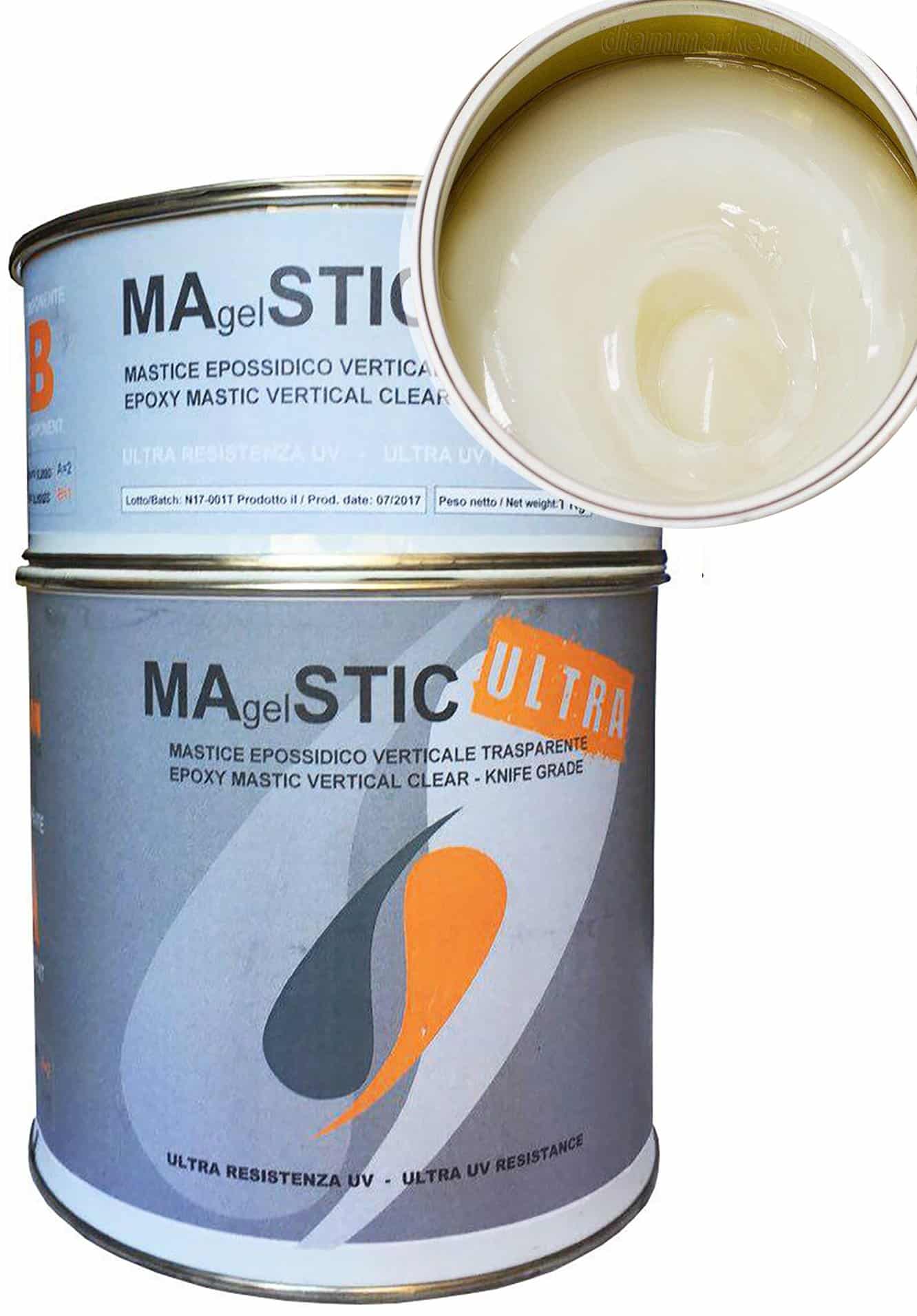
Step 1: Prepare the Repair Area
Preparation is critical for achieving a consistent, strong repair. Remove any loose debris, grease, dust, or old paint from the damaged area using an abrasive pad or sandpaper. Ensure the substrate is dry, stable, and free from contaminants. For metal surfaces, a degreaser is recommended to remove oils. Larger holes or dents may be lightly scuffed to promote better adhesion of the putty. Always wear gloves and eye protection during preparation.
Wear gloves and protect your workspace to avoid skin contact and prevent contamination of your materials.
Step 2: Mix the Epoxy Putty Properly
Epoxy putties and glues typically come as two components—a resin and a hardener—that need to be mixed together just before use. Use a clean mixing board and spatula for accuracy. Carefully read the manufacturer’s instructions for the correct mixing ratio. For example, “Magelstick” – Epoxy Mastic requires a ratio of 100:50 by weight, while “Klebfix” and “FixExpress” are mixed 1:1. Using more hardener does not speed up curing, but can weaken the bond.
Follow the correct mixing ratio to achieve optimal performance and curing.
Step 3: Apply the Epoxy Putty
Using the prepared mixture, work the putty into the damaged area with a spatula or suitable applicator. Press firmly to ensure there are no air bubbles or gaps beneath the surface. For vertical surfaces or overhead repairs, choose non-sagging, thixotropic products such as “Magelstick” – Epoxy Mastic. For filling deeper holes or cavities, apply the putty in thin layers, allowing each to set before building up.
Apply to a clean, dry, and stable substrate for maximum adhesion and structural strength.

Step 4: Shape, Smooth, and Cure
While the putty is still workable, shape and smooth it with your spatula or a wet finger for the best finish. Pay attention to the pot life—how long the putty remains workable—before it starts to cure. Products like “FixExpress” – Two-Component Epoxy Glue give you a short 5-minute window, so work efficiently. Do not disturb or stress the repair until the putty is fully cured, which may range from minutes to several hours depending on the product and ambient temperature.
Work in manageable sections and do not attempt to perfect the finish once curing has started.

Step 5: Sand and Finish the Surface
Once the epoxy putty has fully cured and hardened, sand the repaired area with a progressively finer abrasive to achieve a smooth, flush surface. This is especially important for visible repairs such as vehicle panels or stonework. Fibreglass-reinforced options like CROP 2K Fiberglass Putty are easy to sand and ideal for finishing before painting or sealing. Remove dust thoroughly and, if needed, apply primer or paint as your finishing step.
Allow full curing time before sanding or stressing the repair for long-term results.
Tips, Common Mistakes, and Troubleshooting
Always mix only as much putty as you can use within the pot life to avoid waste and ensure workability. If the repair area is cold (below the minimum temperature stated for your product), curing may be slow or compromised—wait for warmer conditions whenever possible. Do not add more hardener to speed up curing, as this can cause brittleness or incomplete setting. For intricate or vertical repairs, opt for thixotropic or non-sagging formulations to avoid slumping.
If you find air bubbles in the cured putty, sand back and re-apply a thin layer. For outdoor or wet conditions, select a weather-resistant, waterproof epoxy putty for lasting repairs.
Before and After: Epoxy Putty Repair Results
Examine actual before-and-after examples of epoxy putty repairs on stone, metal, and bodywork. Notice how surface prep and product choice impact the longevity and seamlessness of the repair.
- "Magelstick" – Epoxy Mastic for Stone, Metal, and Cement Bonding and Grouting"Magelstick" Epoxy Mastic is a professional-grade putty suited to durable bonding and repair of stone, metal, and cement in restoration projects.
- "Klebfix" – Two-Component Fast Epoxy Glue 2K, 25g Syringe£24.00The "Klebfix" two-component epoxy glue is suitable for professional-strength repairs with a fast 5-minute set time.
 "FixExpress" – Two-Component Epoxy Glue 500g£26.95FIX EXPRESS epoxy glue sets in 5 minutes and is suitable for rapid repairs on various materials within the 'How do you use epoxy putty?' theme.
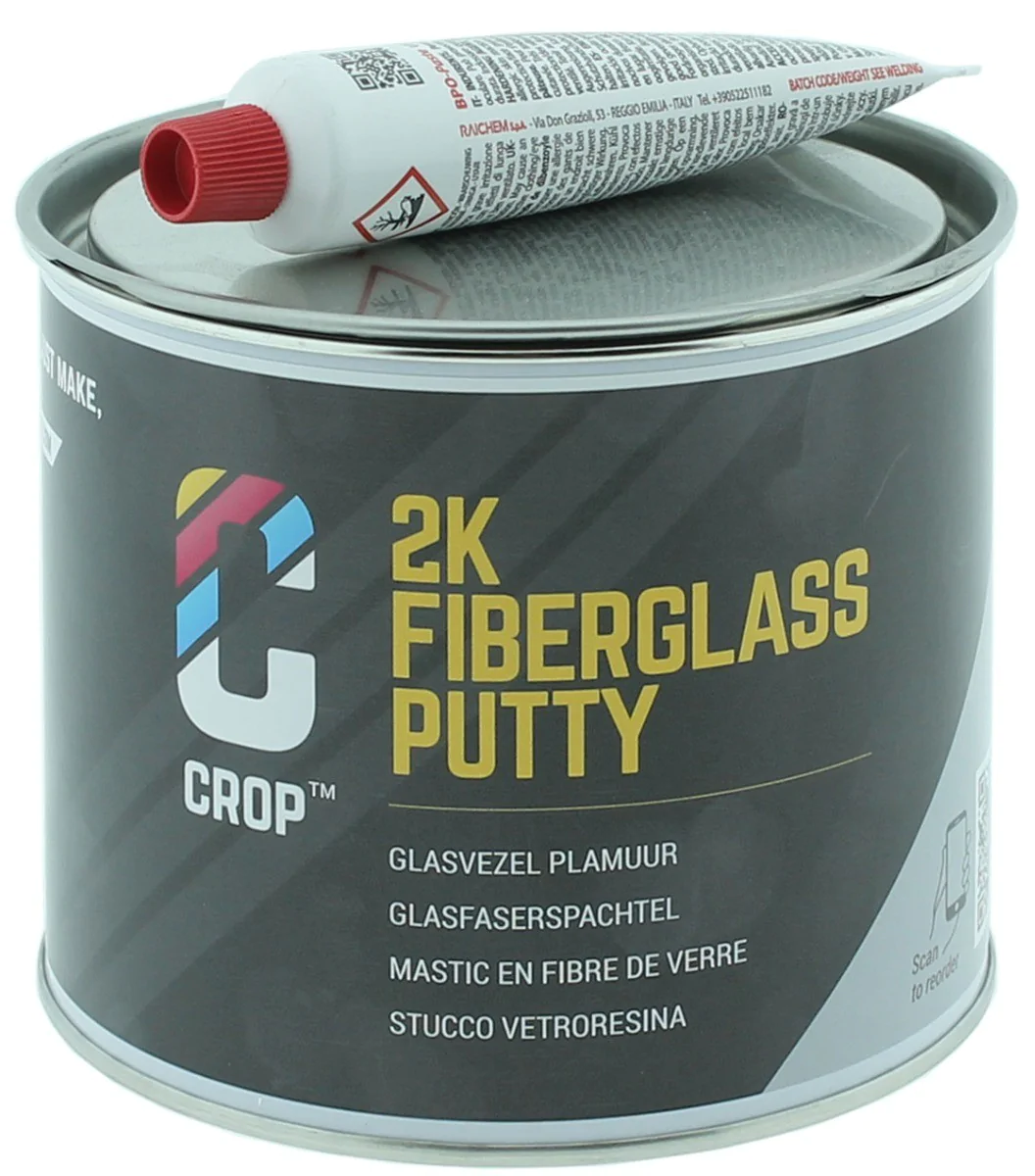 CROP 2K Fiberglass Putty – 750 ml + Hardener£15.85CROP 2K Fiberglass Putty is designed for filling cracks and dents with reinforced strength, suitable for bodywork and repairs.
Frequently Asked Questions
Can epoxy putty be used on vertical or overhead surfaces?
Yes, select thixotropic or non-sagging epoxy putties designed specifically for vertical and overhead repairs to prevent running.
How long does epoxy putty take to cure?
Curing time depends on product type and temperature, ranging from a few minutes to several hours. Always allow full curing before sanding or painting.
Can epoxy putty repairs be sanded and painted?
Yes, once fully cured, epoxy putty can be sanded smooth and finished with primer or paint to match your surface.
Is epoxy putty waterproof and weather resistant?
Many epoxy putties are waterproof and suitable for outdoor use, but always check the product description for specific resistance levels.
Can epoxy putty be used on metal, plastic, wood, and stone?
Yes, most two-component epoxy putties are compatible with various substrates such as metal, plastic, wood, and stone when properly prepared.
Can adding extra hardener speed up curing?
No, adding excess hardener will negatively affect performance and may result in a weak, brittle, or incomplete cure.