 Free shipping on orders over £29,85
  Shipping Tracking!


 Google
 Facebook
← Back to How do you use epoxy putty?
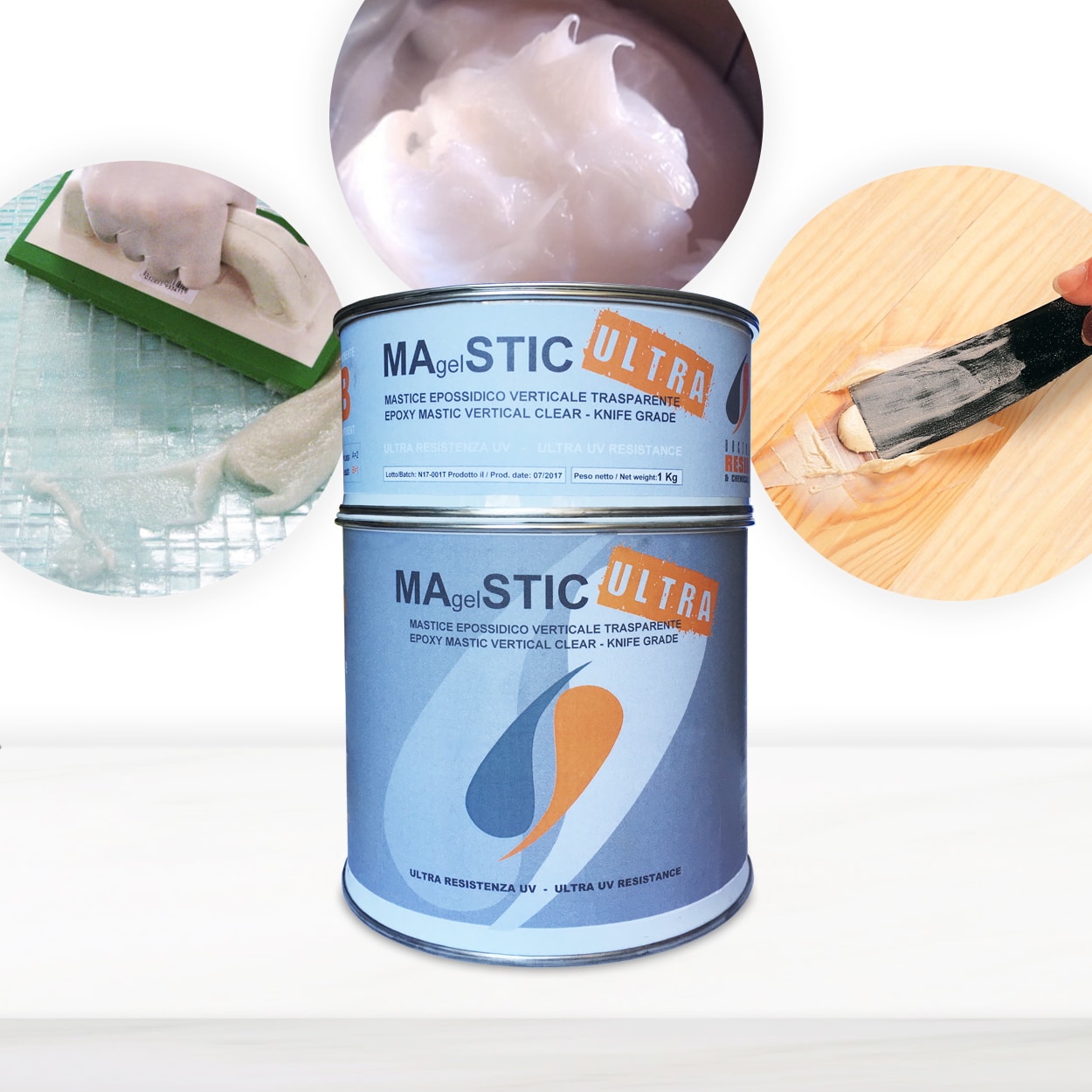
Epoxy putty is a versatile solution for repairs on stone, metal, plastic and more. If you want a repair that blends seamlessly with the existing surface, knowing how to sand and paint epoxy putty is essential for a professional result.
Sanding Epoxy Putty for a Smooth Finish
Once epoxy putty is fully cured, it can be sanded to achieve a smooth, flush surface. This is especially useful for repairs where you want to mask the joining line or achieve a perfectly level finish. Begin with a medium-grit abrasive to even out raised areas, then follow up with a finer grit to gently refine the surface. For best results, ensure the putty has completely hardened—most products recommend waiting at least 24 hours before sanding.
For projects like stone restoration or grouting, products such as Magelstick Epoxy Mastic are designed to maintain their shape, allowing you to sand easily without surface shrinkage or sagging.
Painting Over Epoxy Putty Repairs
After sanding, the epoxy surface is ready for finishing. Wipe away dust with a damp cloth and, if required, apply a primer compatible with both epoxy and your chosen topcoat. This step helps the paint adhere evenly and ensures a lasting result. Once primer is dry, use paints suitable for the underlying material—whether that’s masonry paint, metal enamel, or standard household paint. For deeper repairs or automotive work, such as those performed with CROP 2K Fiberglass Putty, a thorough sand and prime will help your topcoat blend flawlessly with the rest of the surface.
When Sanding and Painting Matters Most
- Restoration work: Concealing joins or repair marks on visible stone, metal, or plastic.
- Outdoor repairs: Weatherproofing surfaces before painting for a cohesive look.
- Automotive and bodywork: Achieving smooth finishes before repainting panels or frames.
Related products
Related guides
Sanding and painting epoxy putty opens the door to professional-quality repairs with invisible joins and a durable finish. For complete guidance on epoxy putty use—from application to finishing—see our main guide on how to use epoxy putty.