 Free shipping on orders over £29,85
  Shipping Tracking!


 Google
 Facebook
← Back to Which resin is best for static model making?

For model makers focused on fine detail, choosing the right resin is key. Many wonder if epoxy resin is precise enough for intricate components or decorative model features. Here’s what you need to know.
How Epoxy Resin Handles Model Detail
Certain epoxy resins, like One-2-One epoxy resin, feature a medium viscosity and excellent clarity, allowing them to fill small moulds and capture detailed features common in model making. The balanced flow helps resin reach fine recesses while avoiding major air bubbles that can spoil minute elements. After curing, these resins deliver a glossy, highly transparent finish—ideal for display pieces and decorative accents.

Practical Tips for Small Components
- Mix epoxy resin thoroughly using the recommended 1:1 ratio by volume for consistent results.
- Pour slowly into your detailed mould to reduce the chance of trapped air.
- Work in a dust-free area to maintain resin clarity on tiny surfaces.
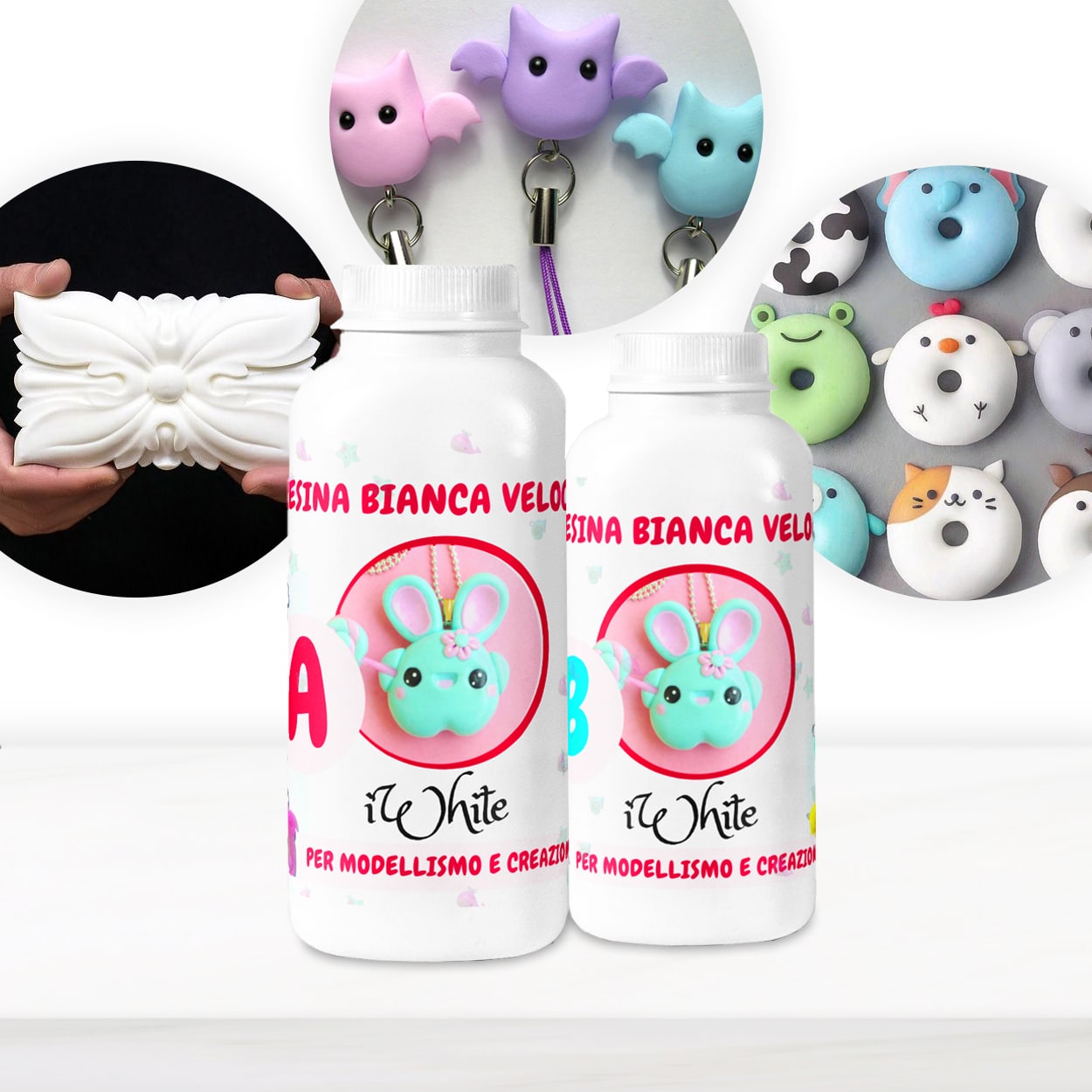
- For ultra-fine detail or fast demoulding, alternatives such as polyurethane resins like “IWhite” may also be considered.
When Attention to Detail Matters Most
Epoxy resin is especially suited to decorative elements where clarity, shine, and precision matter—jewellery accents, miniature displays, or clear domes on static figures. For functional or heavy-use model parts, consider the surface hardness and required durability.

Related products
Related guides
Epoxy resin can be a reliable choice for detailed, decorative components in static models. For more on choosing the best resin for static model making, visit our main guide.