 Free shipping on orders over £29,85
  Shipping Tracking!


 Google
 Facebook
← Back to How to apply resin for a 3D effect?
Bringing vibrant colours and creative effects to your 3D resin projects is not only possible—it’s a rewarding way to personalise and add dimension to your work. With the right materials and approach, your designs can truly stand out.
Choosing Colours and Pigments
Specially formulated resin pigments, liquid dyes, or mica powders can be blended into clear epoxy to produce a rich spectrum of effects. These colourants are typically added during mixing and can offer anything from subtle transparency to bold, opaque finishes. For more defined work—such as detailed lines or striking contrast on surface art—a high-viscosity resin like Art Pro Deluxe helps prevent colours from bleeding together, supporting intricate techniques like geode or ocean effects.
Layering Techniques for 3D Depth
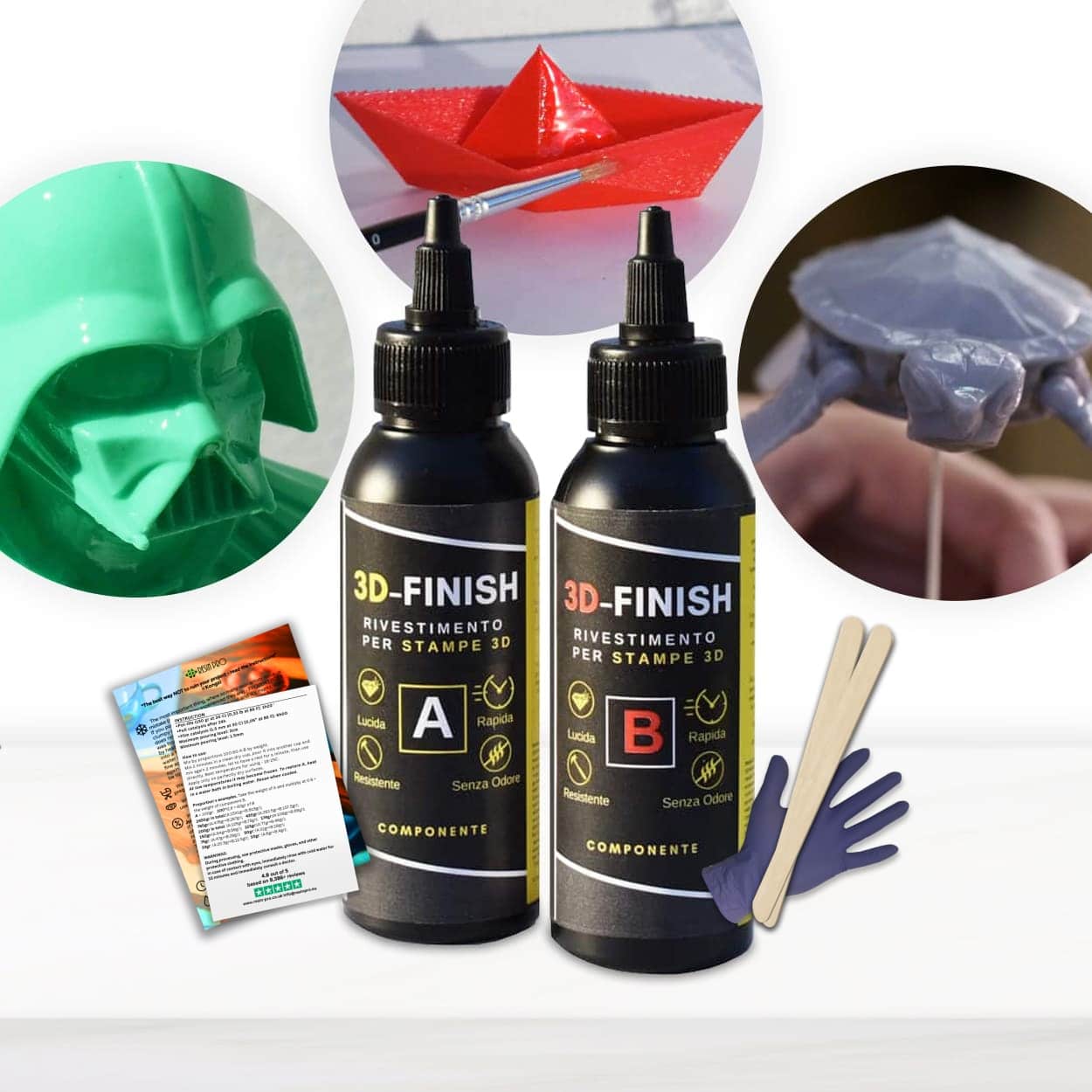
To achieve a pronounced three-dimensional effect, consider pouring your resin in layers. You can embed items, such as miniature models, glitters, or natural elements, between pours to create fascinating visual depth. Allow each layer to partially set before proceeding with the next, being careful to avoid bubbles and ensuring clarity. Using a resin with excellent self-levelling qualities, such as 3D Finish Fast Coating Epoxy, helps preserve the details of prints and layered inclusions.
When the Right Finish Matters
If your project involves a display piece or artwork where fine details and finish quality are crucial, selecting a resin that offers both strength and clarity is vital. Fast-curing, non-drip coatings preserve delicate shapes, while colour stability and a smooth, glossy surface allow your creative enhancements to shine over time.
Related products
Related guides
Exploring pigments, layering, and special effects expands what’s possible with 3D resin work. For more detailed guidance on application, see our main guide on how to apply resin for a 3D effect.