 Free shipping on orders over £29,85
  Shipping Tracking!


 Google
 Facebook
← Back to How to apply resin to a stamped floor?
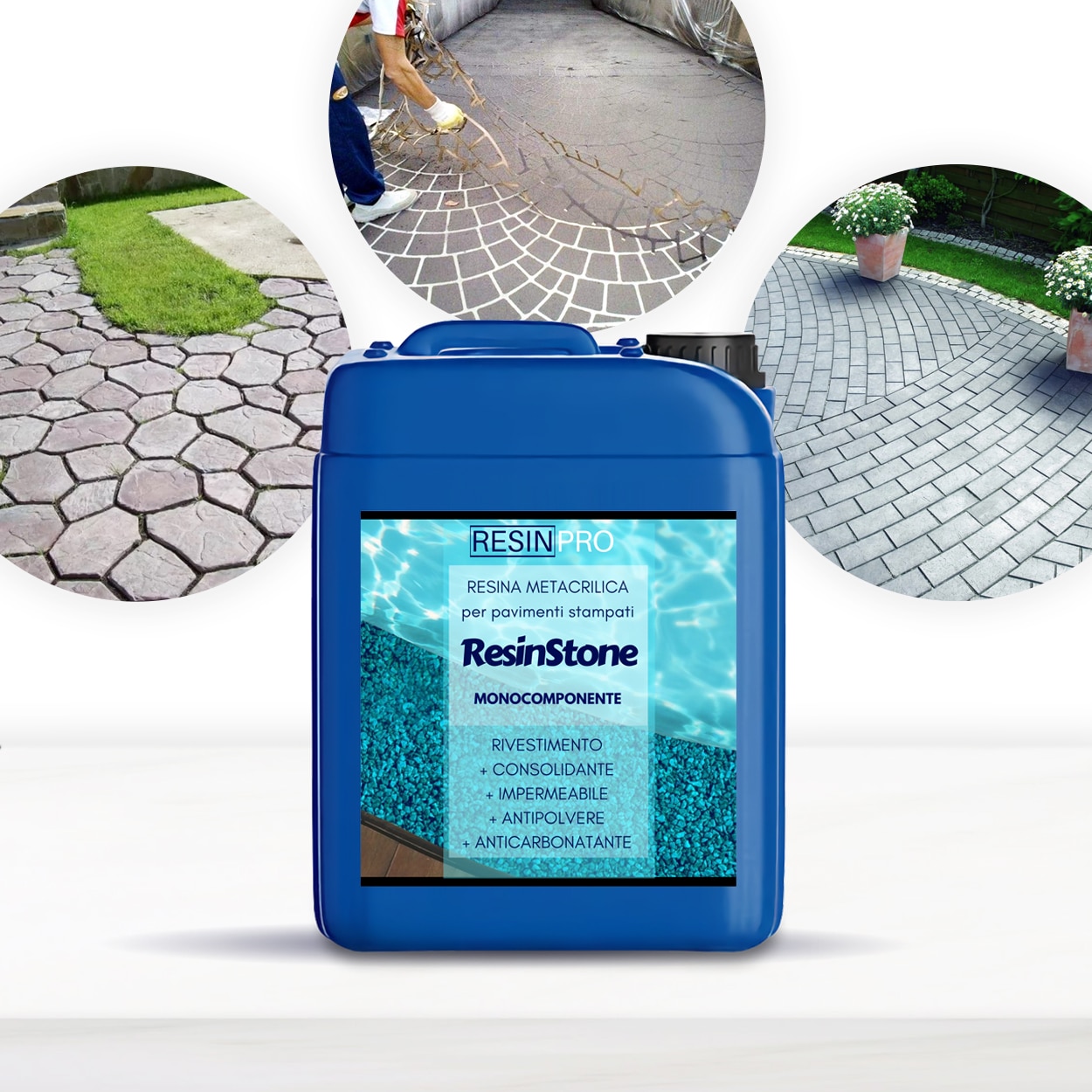
If you want to refresh the look of your old stamped concrete floor with a resin coating, it’s important to prepare the surface properly first. Skipping key steps can lead to poor adhesion and disappointing results.
Why Proper Preparation Matters
Older stamped floors often accumulate dust, grease, and residues over time. Applying resin straight onto such surfaces may result in peeling or flaking, as contaminants can act as a barrier and weaken the bond. Additionally, past sealers or coatings remaining on the surface can inhibit resin from fully penetrating the textured concrete.
Step-by-Step: Preparing Old Stamped Floors
- Clean Thoroughly: Use a pressure washer or scrub brush and gentle detergent to remove debris, oils, and any loose particles.
- Repair and Dry: Address cracks and allow the floor to dry completely to prevent future issues.
- Prime for Adhesion: An appropriate floor primer, such as Epoxyprimer, helps maximise the bond between old concrete and new resin layers, ensuring a stable and even finish.
Choosing the Right Resin and Application Tools
For external stamped concrete, a methacrylic floor resin like Resinstone is formulated to penetrate and protect such surfaces effectively. To achieve a flawless, uniform coat, select a short-pile or sponge roller—for example, those in the professional roller set—to suit both detailed and wide-area application.
When Proper Preparation Is Crucial
Taking the time to clean and prime is especially important for older floors showing wear, staining, or loss of previous coatings. This avoids wasted effort and ensures your resin finish lasts.
Related products
Related guides
With the right cleaning, priming, and resin application, old stamped floors can be revitalised and protected. For detailed instructions and further advice, see our main guide on how to apply resin to a stamped floor.