 Free shipping on orders over £29,85
  Shipping Tracking!


 Google
 Facebook
← Back to How do you dilute liquid resin?
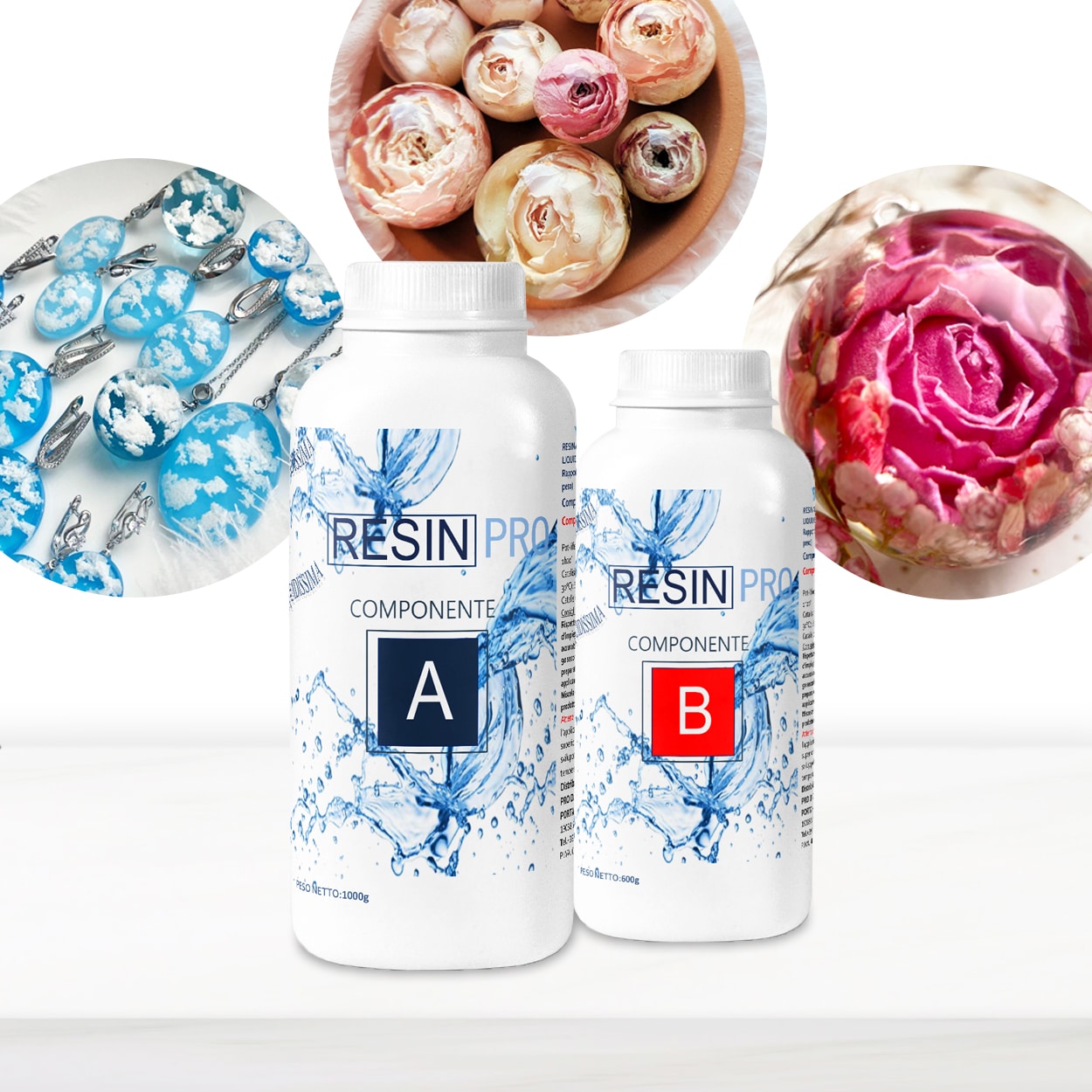

If you’re planning a project where resin plays a structural or load-bearing role, using the correct type and formulation is absolutely essential. Many wonder whether diluting resin can make it suitable for these tasks—here’s what you need to know.
Why Dilution Compromises Strength
Diluting resin—whether with solvents or additives—can alter the chemical structure of the cured product. While thinning resins might make them easier to spread for decorative work, this practice weakens the cured material and reduces its load-bearing capacity. For any application where strength and durability are required, such as furniture or repairs, always use resin in its intended formulation.
Choosing the Right Resin for Structural Applications
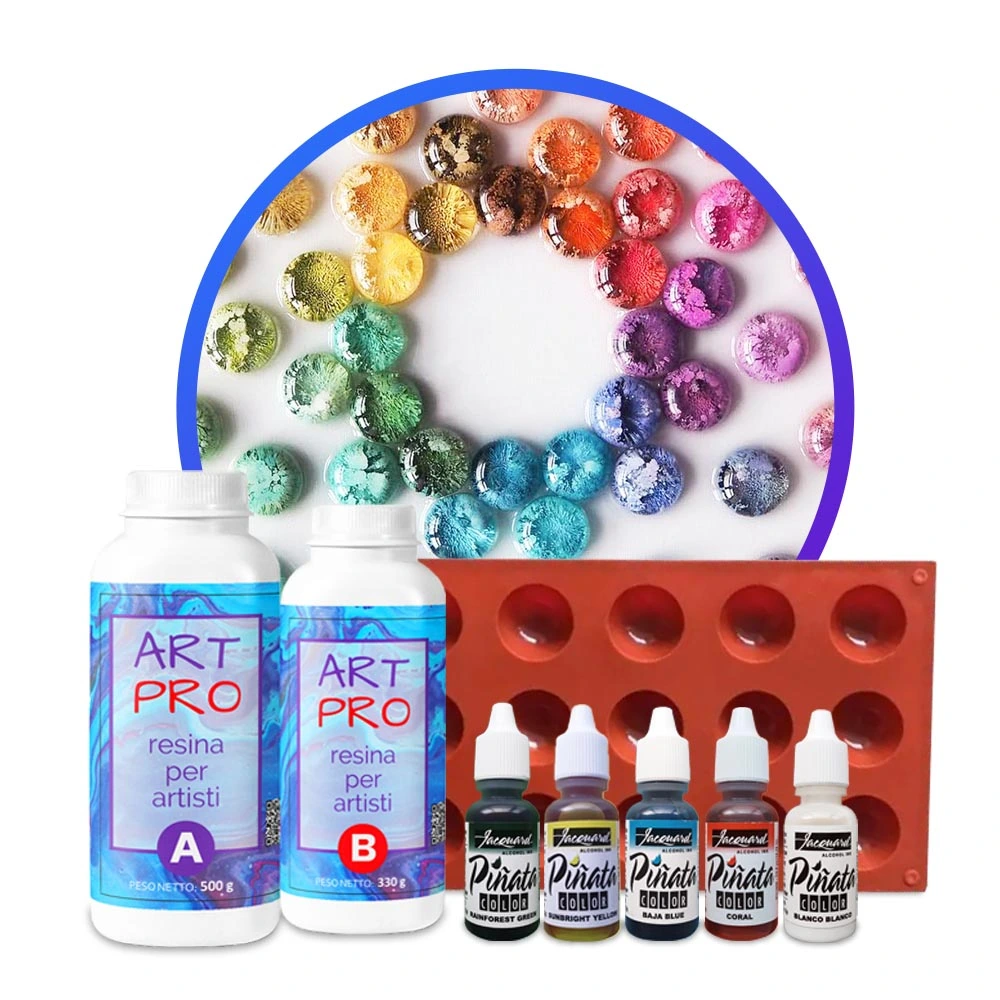
Look for resins formulated specifically for structural or engineering purposes. These products are designed to cure to rigid, reliable finishes that can withstand stress and load. For creative work that requires clarity and flow but not physical strength—such as resin art—options like “Liquidissima” Epoxy Resin offer extended working times and self-levelling effects. However, for structural projects, always select a product recommended by the manufacturer for construction or repairs, and follow the mixing ratios exactly as specified.
When Avoiding Dilution Is Essential
Projects that must bear weight, endure movement, or face regular wear—such as tabletops, supports, or repairs—demand the full strength of properly mixed resin. Dilution in these scenarios is never recommended, as it could lead to product failure or safety risks down the line.
Related products
Related guides
In summary, dilution is only appropriate for purely decorative resin uses. For reliable, durable structural creations, choose the right undiluted resin and ensure you mix according to instructions. For more information on resin handling and dilution methods, see our main guide on how to dilute liquid resin.