 Free shipping on orders over £29,85
  Shipping Tracking!


 Google
 Facebook
← Back to how to make erasers without silicone
When crafting erasers, it’s useful to know whether you can speed up the process by making several at once. With the right moulds and preparation, batch production is absolutely achievable, making your creative time more efficient.
Preparing for Batch Production
To create multiple erasers simultaneously, start by assembling several suitable moulds. Opt for high-quality, reusable moulds with the shapes and sizes you prefer. Before starting your mix, lay out all your tools and set your workspace up for an uninterrupted workflow, ensuring you have enough eraser material to fill all your selected moulds.
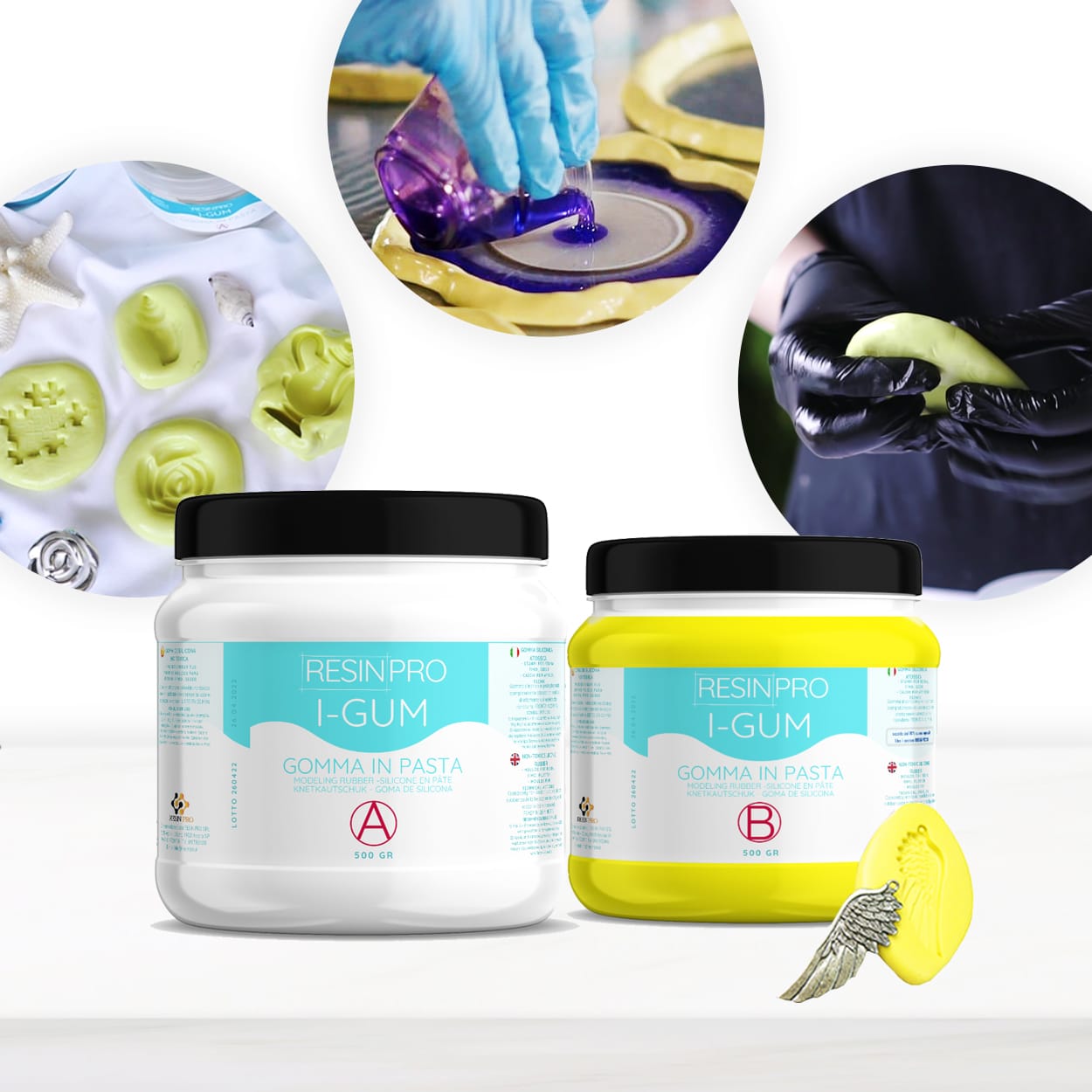
If you’re using a two-part putty or paste, such as the “I–Gum” Non-Toxic Silicone Putty, be sure to mix only what you can use within the specified working time (around 20 minutes for most putties). This helps ensure even results across all pieces.
Pouring and Curing Multiple Erasers
Divide your prepared material evenly among the moulds, taking care to tap each one gently to release any trapped air bubbles. Follow the specific curing instructions for your chosen eraser-making method. Be precise about timings to avoid curing issues—batch work makes this especially important, as the material can start setting before it’s poured if you mix too much at once.
- Mix putty or other materials in manageable quantities.
- Fill all moulds promptly and keep track of batch timings.
- If making many erasers, prepare in stages to ensure quality.
When Batch Production Matters
Batch-producing erasers is especially helpful if you need multiples for school, gifts, or creative projects. It allows you to maintain uniformity in size and shape, and saves the effort of repeating each step for individual pieces.
Related products
Related guides
Making several erasers at once is not only possible, but often preferred for saving time and ensuring consistent quality. For more tips on efficient eraser crafting, see our guide on how to make erasers without silicone.