 Free shipping on orders over £29,85
  Shipping Tracking!


 Google
 Facebook
← Back to How much hardener should be added to one litre of liquid resin?
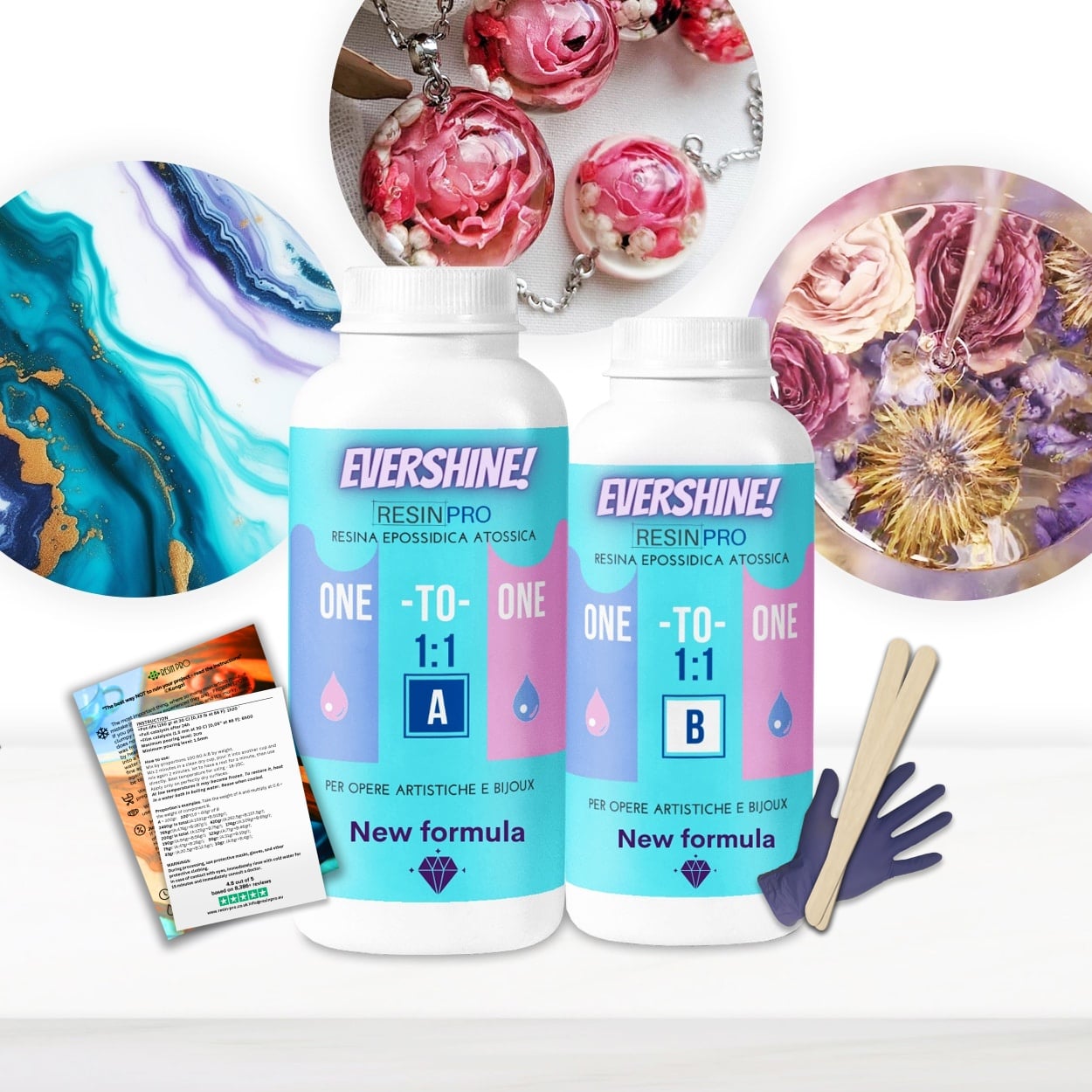
When working with epoxy resin, waiting for your project to fully cure can try anyone’s patience. If you’ve ever wondered whether there’s a safe way to speed up the curing time of epoxy resin, this guide will help you understand what’s possible—and what’s best avoided—for flawless results every time.
Patience Is Essential for a Quality Finish
It’s tempting to try and speed things up by adding heat or altering the recommended process. However, curing epoxy resin too quickly can lead to a range of issues such as bubbles, surface imperfections, cracks, and a weakened end result. Most resins are formulated to cure best at room temperature, typically around 20–25°C, as specified by the manufacturer. Following these guidelines ensures consistent clarity and proper hardness.

Safe Ways to Support Proper Curing
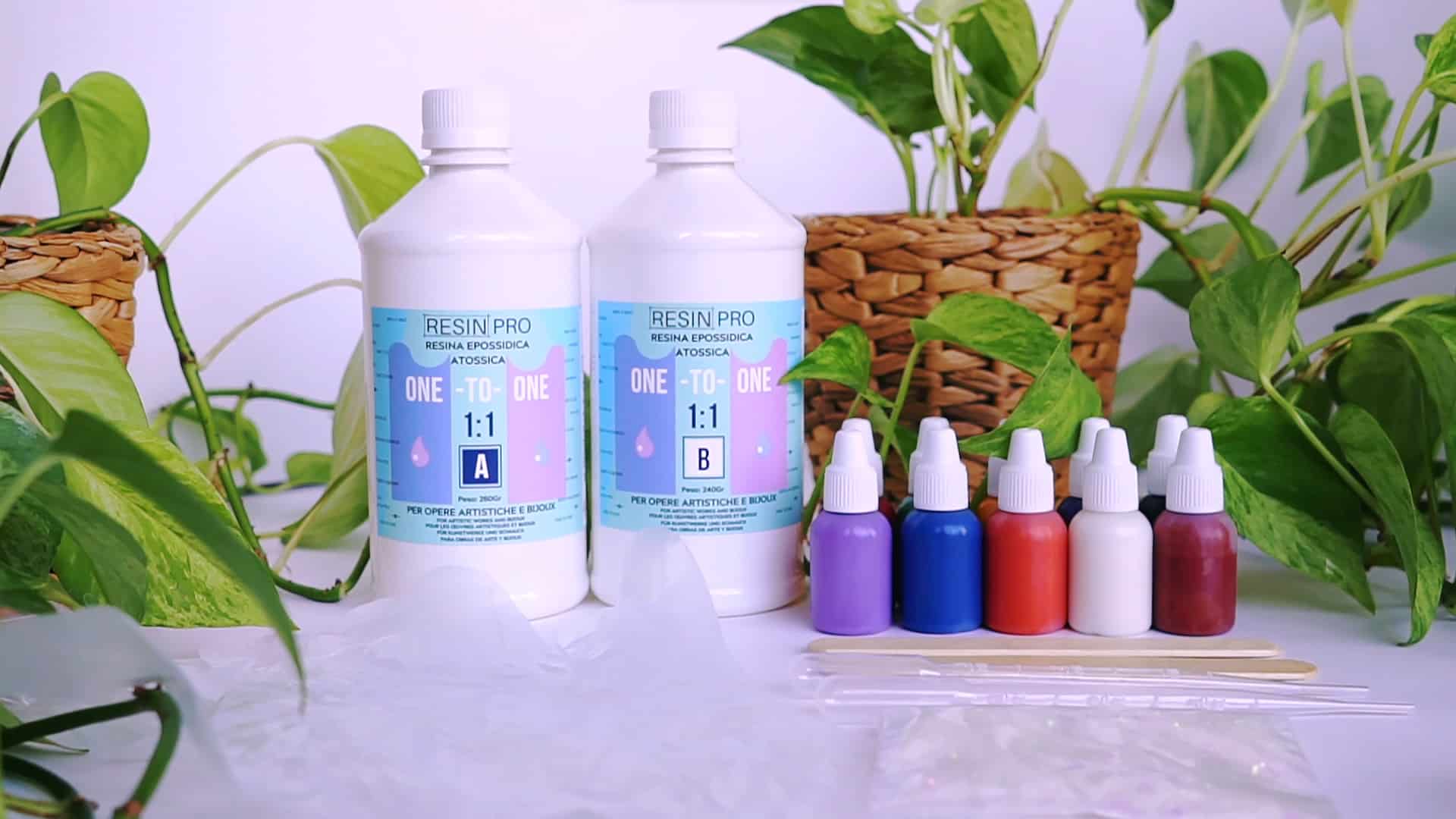
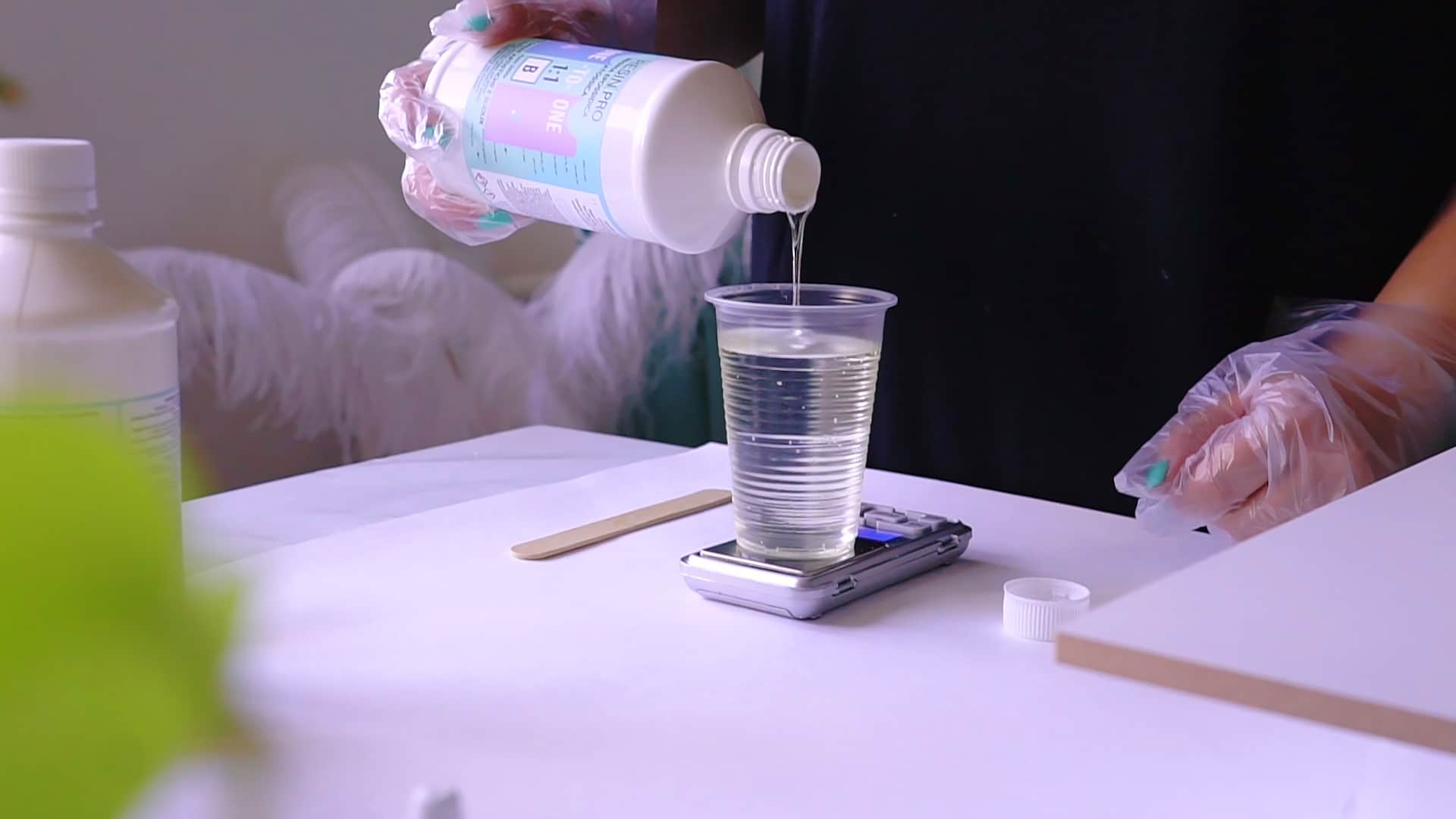
To help your resin set as efficiently as possible, always measure components very carefully using the correct ratio for your product. For example, the “One-2-One” epoxy resin is notably straightforward for crafters with its 1:1 mixing ratio by volume. Ensure your workspace stays at a steady room temperature and avoid extremes such as cold drafts or direct sunlight. Never use a heat gun, oven, or external heater to force the reaction—this frequently causes defects rather than saving time.
Practical Guidance for Fast, Flawless Cures
- If you need a quicker result, consider selecting an epoxy resin with a naturally shorter working and curing time, or choose a thinner layer—shallower pours often cure faster.
- Prepare all materials in advance so you can work efficiently within your resin’s recommended pot life.
- Read the instructions supplied with your chosen resin, such as “EpoxyTable 5-Five” or “Trasparente”, as they specify optimal conditions for best results without the risk of rushing.
When This Matters
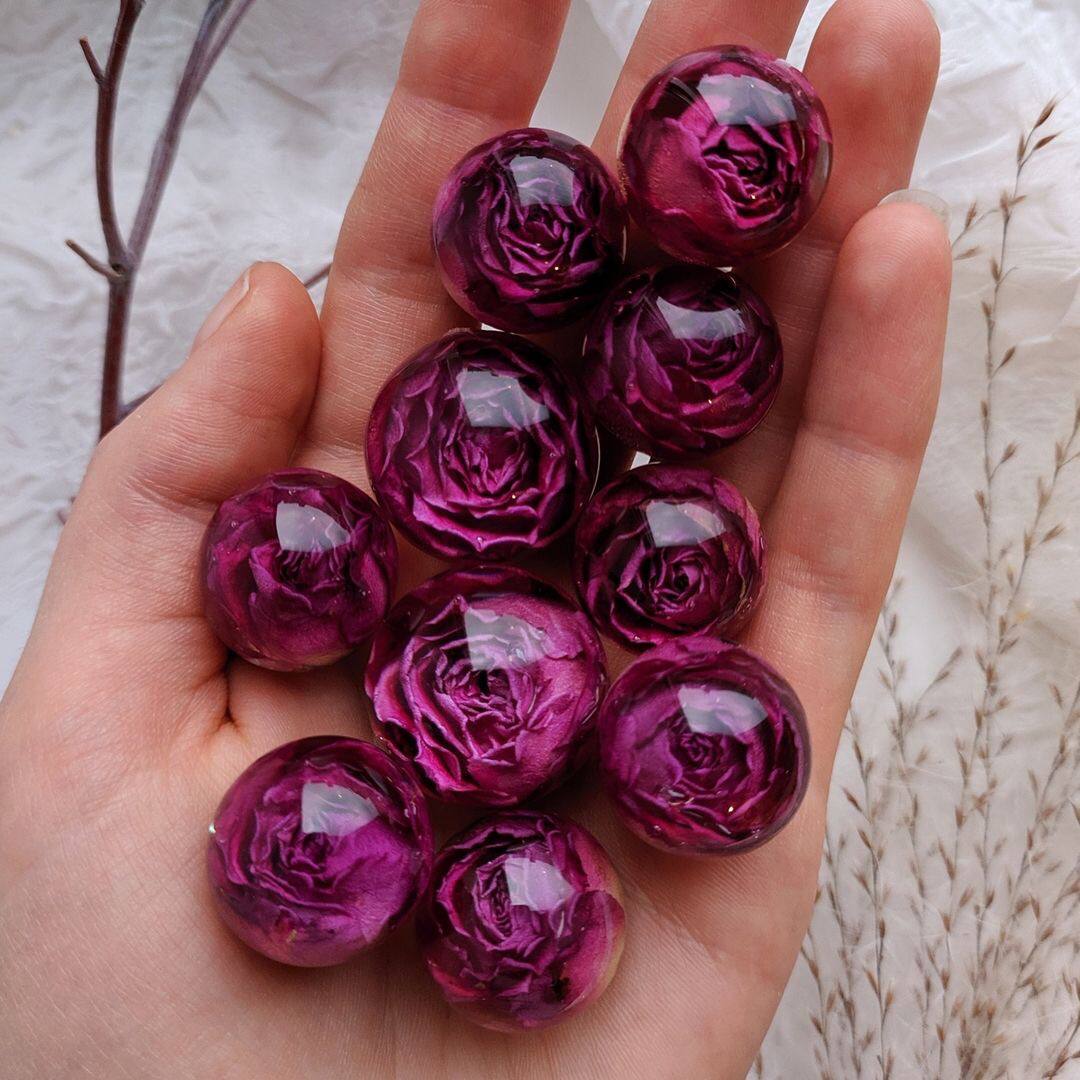
Speeding up curing is especially tempting for commercial makers or when working in cooler weather. However, maintaining the right environment and following recommended ratios will always yield the most reliable outcomes, especially for jewellery, tabletops, or decorative casts where appearance and durability are crucial.
Related products
Related guides
For more guidance on achieving perfect resin results—and to find the ideal hardener ratio for your next project—visit our main guide on how much hardener to add per litre of liquid resin.