 Free shipping on orders over £29,85
  Shipping Tracking!


 Google
 Facebook
← Back to How to make a mould with silicone rubber and flour?
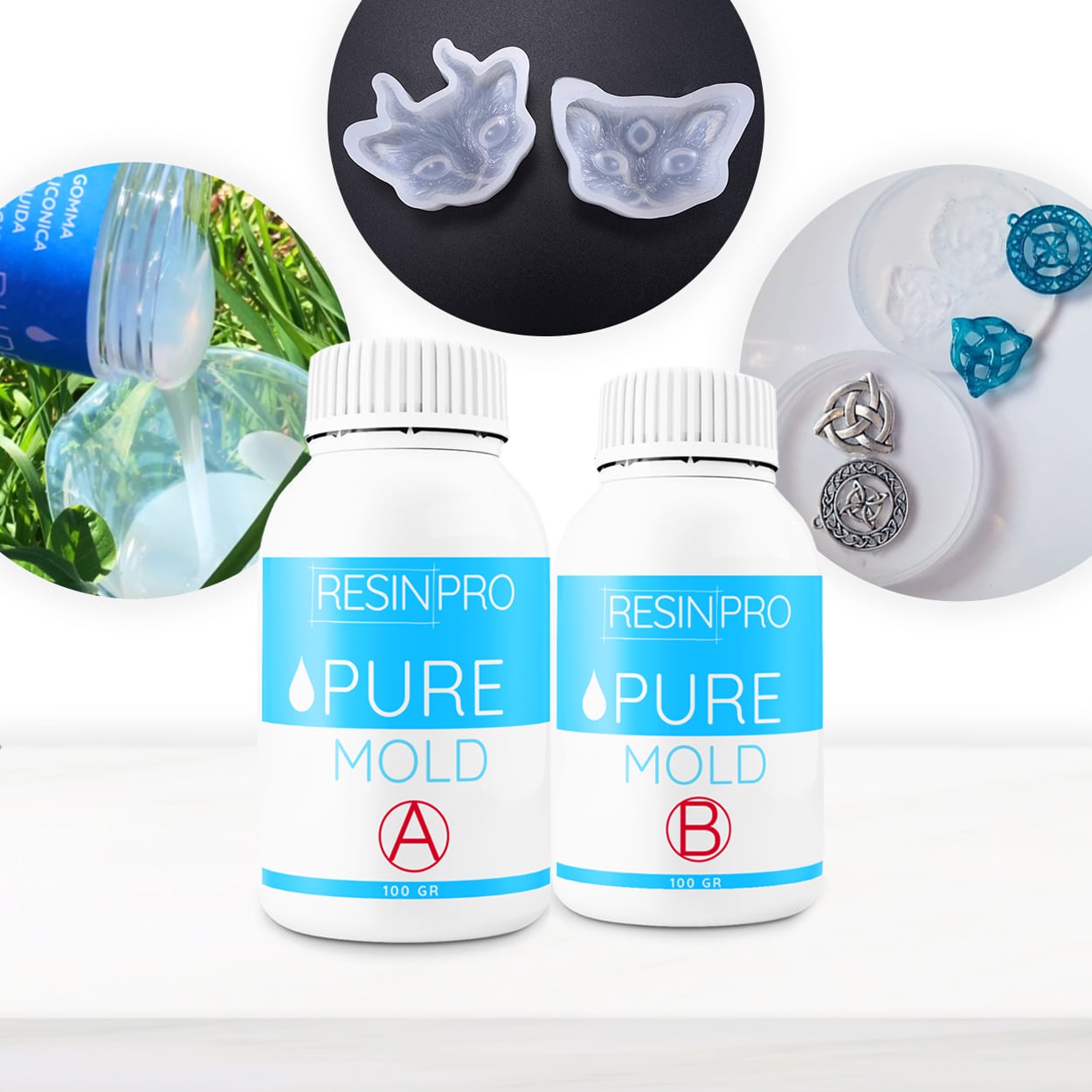
The flour mould technique is a creative and affordable way to make custom moulds using silicone rubber and everyday flour. But does any silicone work for this approach? Here’s what you should know before getting started.
Understanding Silicone Types for the Flour Method
Most liquid silicone rubbers and silicone putties, including those commonly available for mould making, can be thickened with flour. However, it’s vital to follow the manufacturer’s specific instructions. Some formulas may react differently, affecting the cure time or finished mould quality. Using a product with a clear and predictable 1:1 mix ratio, such as Pure Mould Silicone Rubber, can make the process easier and more reliable.
Practical Tips for Successful Mixing
Always add flour gradually to the silicone until you reach the desired consistency. Mix thoroughly to avoid lumps and ensure even texture. Too much flour may cause weak spots or interfere with the curing, so moderation is key. For paste or putty-style silicones, like I–Gum, mixing should remain even and no gloves are needed if the product is non-toxic and odourless, offering a user-friendly experience.
When This Matters
Choosing the right silicone rubber is especially important when making detailed, reusable moulds or working with intricate shapes. Using the right product ensures your mould cures properly and lasts through multiple castings, keeping creative projects on track without unnecessary waste.
Related products
Related guides
While many silicones work with the flour mould method, always consult product instructions to ensure optimal results. For further guidance and step-by-step advice, see our main guide on making a mould with silicone rubber and flour.