 Free shipping on orders over £29,85
  Shipping Tracking!


 Google
 Facebook
← Back to How do you paint resin components for a motorcycle?
Painting resin motorcycle components with automotive paints is completely feasible with the right approach. By ensuring good surface preparation and selecting compatible materials, you can achieve a professional, durable finish on your custom or repaired parts.
Preparing Resin Surfaces for Automotive Paint
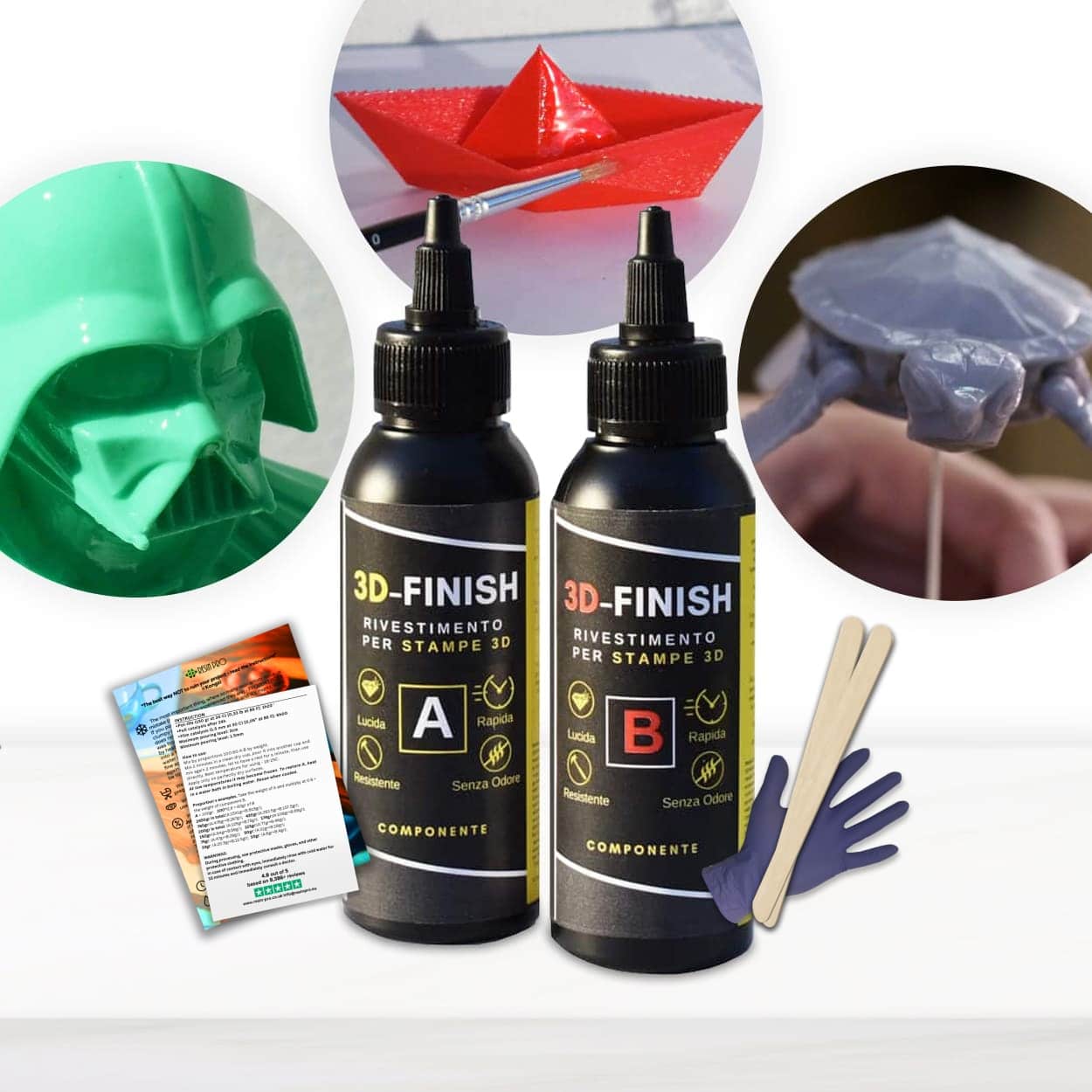
Before painting, it’s crucial to prepare your resin components meticulously. Begin by cleaning each part to remove grease and dust. Sand the surface lightly so it’s smooth yet slightly matte—this helps the primer adhere. Using a dedicated paintable coating resin such as “3D Finish” can help create an even, stable surface. Once coated and fully cured, apply a compatible primer specifically rated for plastics or composites and allow it to dry fully before painting.
Applying Automotive Paint Properly
Choose an automotive paint system recommended for use over plastics. Spray thin, even coats, allowing each layer to cure as instructed by the paint manufacturer. Rushing this process can lead to poor adhesion or finish quality. After the colour coats, you may wish to seal the surface with a suitable clear coat for extra gloss and protection, especially on parts exposed to the elements.
When Compatibility Matters
The primer bridges the bond between the resin and automotive paint. Skipping this step can result in paint that chips or peels. Always allow resin coatings and primer layers to cure fully before moving on, and avoid mixing products from incompatible systems.
Related products
Related guides
By following these steps and using quality preparation products, automotive paints can help you achieve a lasting finish on resin motorcycle components. For more detailed guidance on painting techniques and resin use, return to our main hub on painting resin motorcycle parts.