 Free shipping on orders over £29,85
  Shipping Tracking!


 Google
 Facebook
← Back to How to make a dildo with silicone rubber?
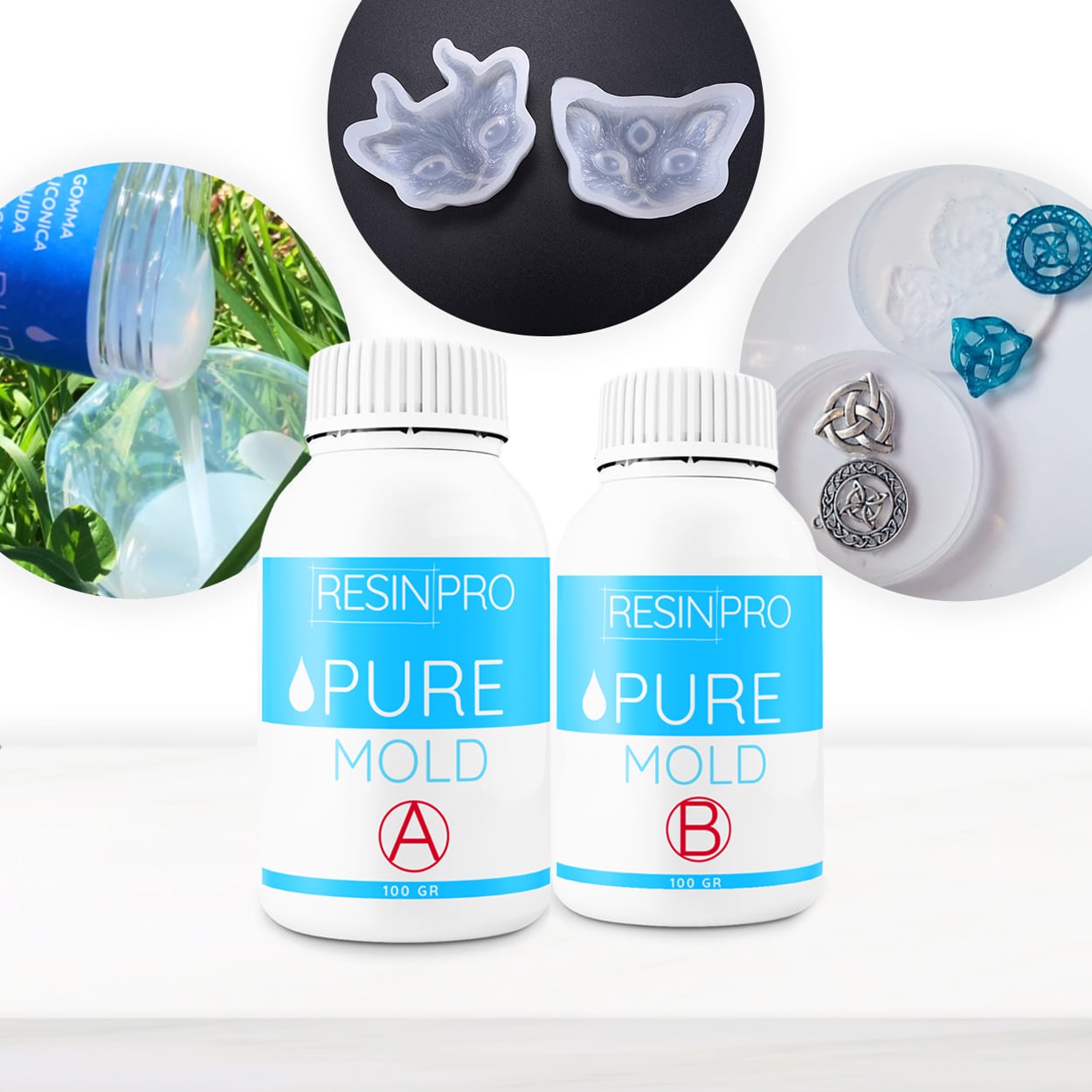
Many people wonder if it’s possible to use everyday household objects as the basis for a custom silicone rubber mould. With the right preparation, household items can indeed serve as practical models for mould making projects.
Choosing Suitable Household Objects
To use a household item as your mould model, select objects with a shape and size that suit your intended cast. Smooth items are generally easier to demould and clean, which is important to achieve a professional finish. Avoid models with delicate or overly intricate textures unless you have considerable experience, as these can be tricky to mould accurately with silicone rubber.
Cleaning and Sealing Before Moulding
Before pouring silicone, thoroughly wash and dry your chosen item to remove any dust or grease. Some surfaces will benefit from a layer of sealant or release agent, especially if they are porous or could react with the silicone. Proper preparation prevents residue sticking to your finished mould and helps preserve the object for future use.
Practical Mould Making Guidance
Once your object is clean and sealed, set it into a snug containment box to hold the liquid silicone. Products like “Pure Mould” Translucent Liquid Silicone Rubber are ideal for creating reusable, detailed moulds around everyday models. Always follow the manufacturer’s mixing and curing instructions for best results.
When This Matters
Repurposing household objects is particularly valuable for one-off projects, experimental designs, or when custom shapes are needed but specialist modelling tools are unavailable. It’s a cost-effective and accessible option for DIY mould making.
Related products
Related guides
Using household items as models opens up creativity when working with silicone rubber. For more in-depth advice on making moulds and getting the most from your materials, explore our main guide on how to make a dildo with silicone rubber.