 Free shipping on orders over £29,85
  Shipping Tracking!


 Google
 Facebook
← Back to Which resin is best for prototype moulds?
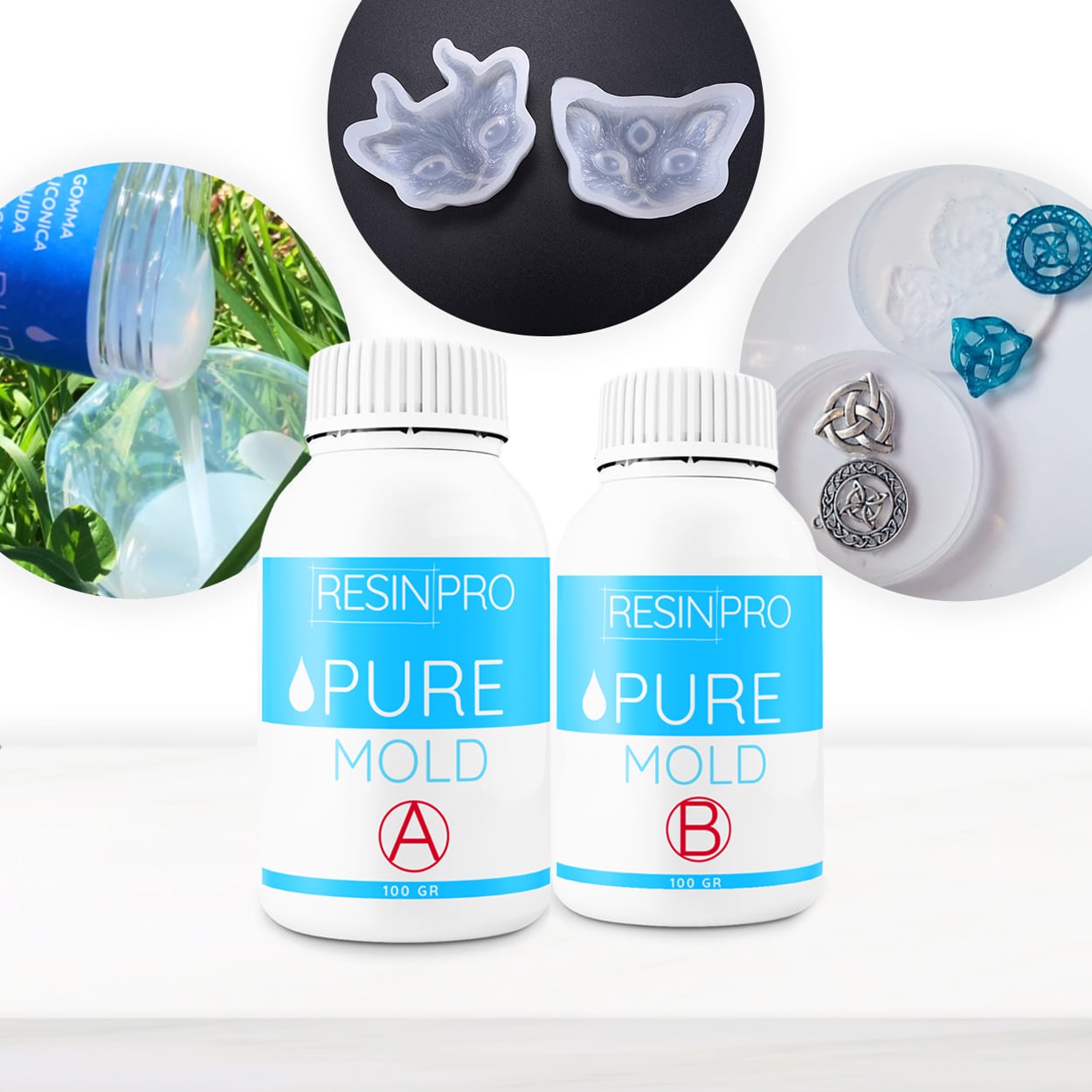
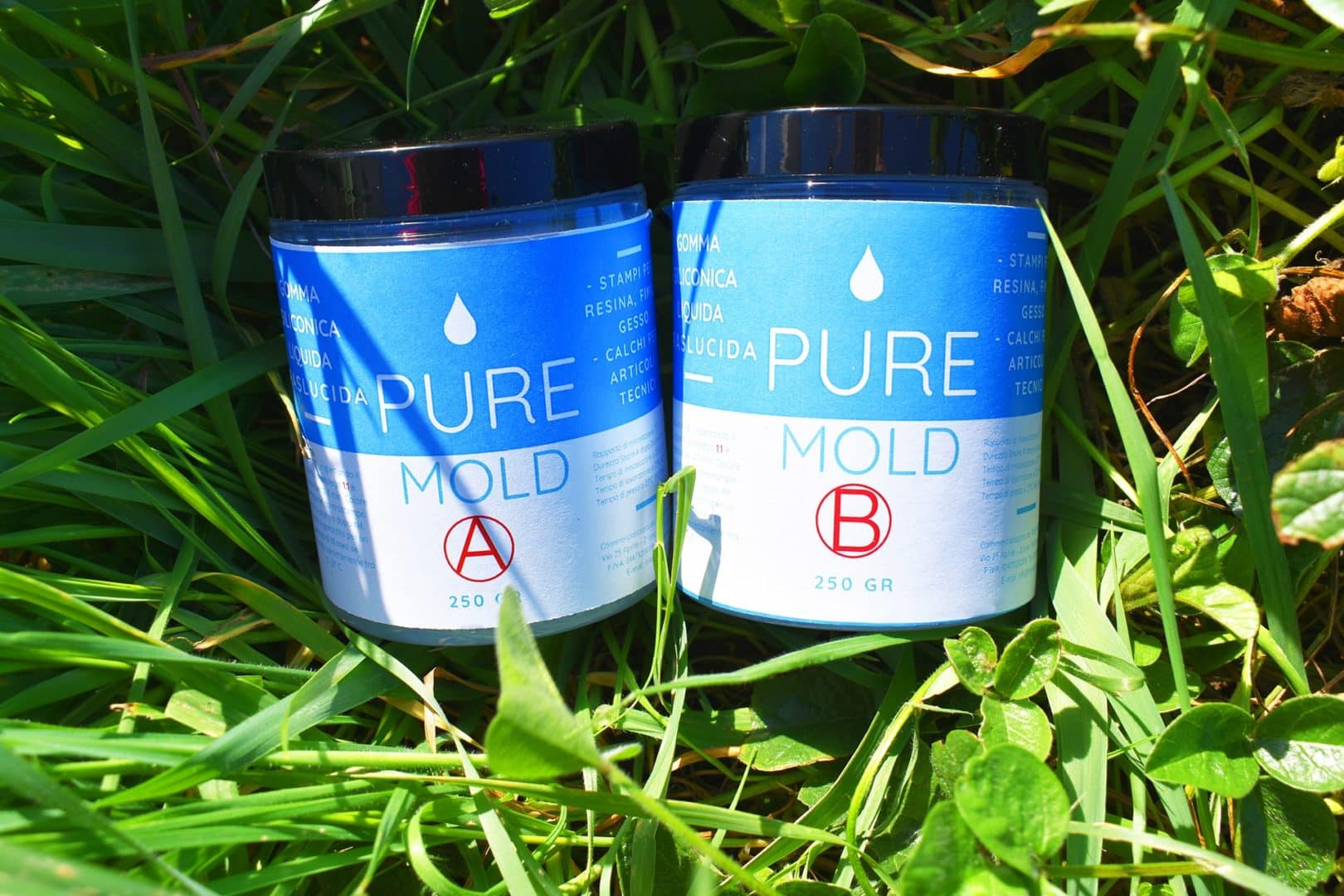
When starting a prototype project, it’s natural to wonder if you can use the same resin for both the mould and the casting. However, distinct materials are generally preferred for each part of the process to ensure accuracy, flexibility and efficient demoulding.
Why Use Different Materials for Moulds and Casts?
Silicone rubbers and casting resins serve very different purposes in prototyping. Silicone rubber is elastic and flexible, making it perfect for moulds that need to capture fine details and release castings with ease, especially when working with intricate designs or undercuts. In contrast, casting resins such as polyurethane are formulated for strength, detail, and rapid curing, providing a firm and accurate reproduction of your design. Attempting to use the same material often results in poor detail, breakage or difficulty removing the item from the mould.
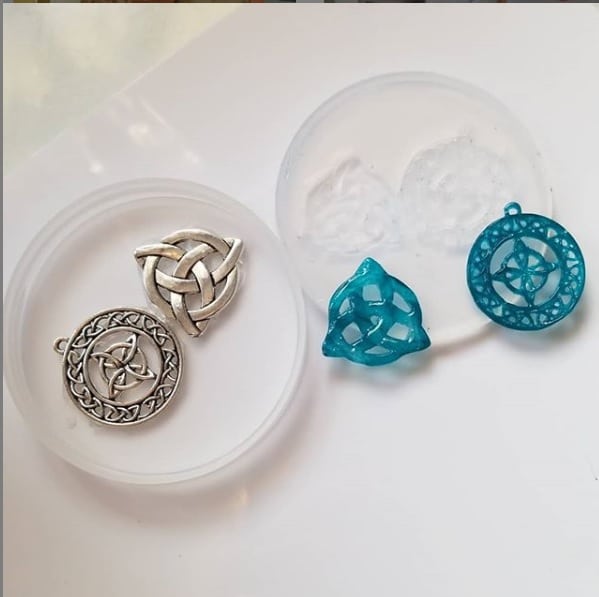
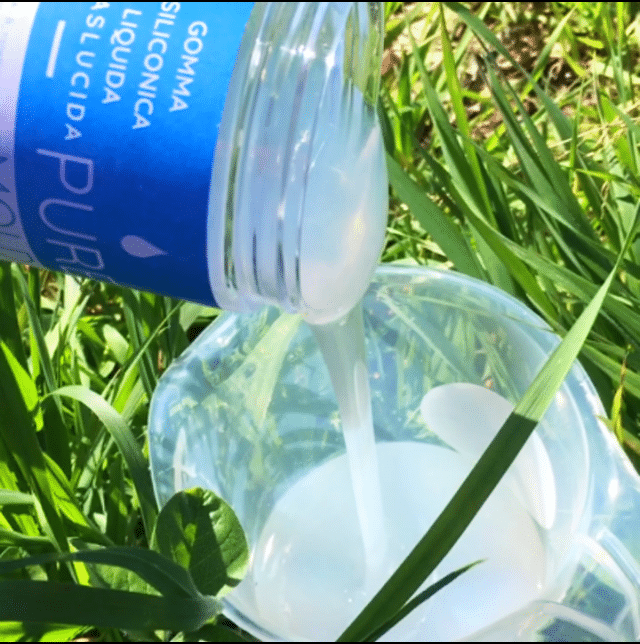
Recommended Products for Each Step
For mould making, a translucent silicone rubber like “Pure Mould” offers easy mixing, a fast cure time and compatibility with a wide range of materials. For the casting stage, fast-setting polyurethane resins—such as Polyform for beige casts or IWhite for white, colourable finishes—deliver robust and precise results. These combinations ensure a smoother workflow and a professional finish for prototypes.
When This Matters Most
Choosing suitable materials is especially important when working with intricate models, fine detail, or multiple reproductions. Using the correct pairing avoids frustrations like tearing, loss of detail, or damage during demoulding—saving both time and materials.
Related products
Related guides
Selecting the right materials for both mould and casting is key to successful prototyping. Discover more guidance and expert product picks for every project by returning to the main resin selection guide.