 Free shipping on orders over £29,85
  Shipping Tracking!


 Google
 Facebook
← Back to Is there a difference between resin and enamel for covering tiles?
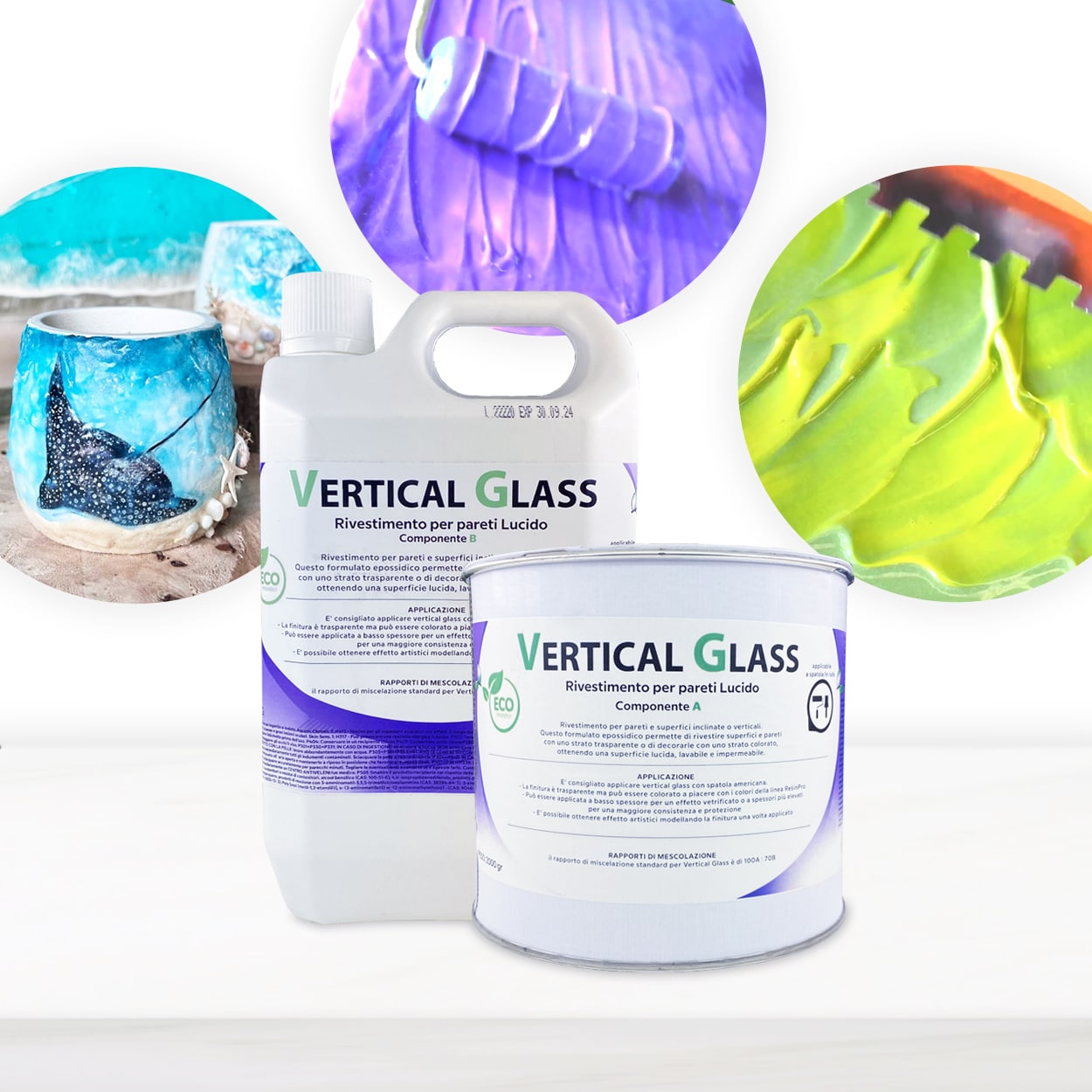

Resin coatings, particularly formulated for vertical application, are an increasingly popular way to achieve waterproof, decorative finishes on tiled walls. They often provide more robust protection in moist environments than traditional enamels.
Advantages of Resin Coatings for Tiled Walls
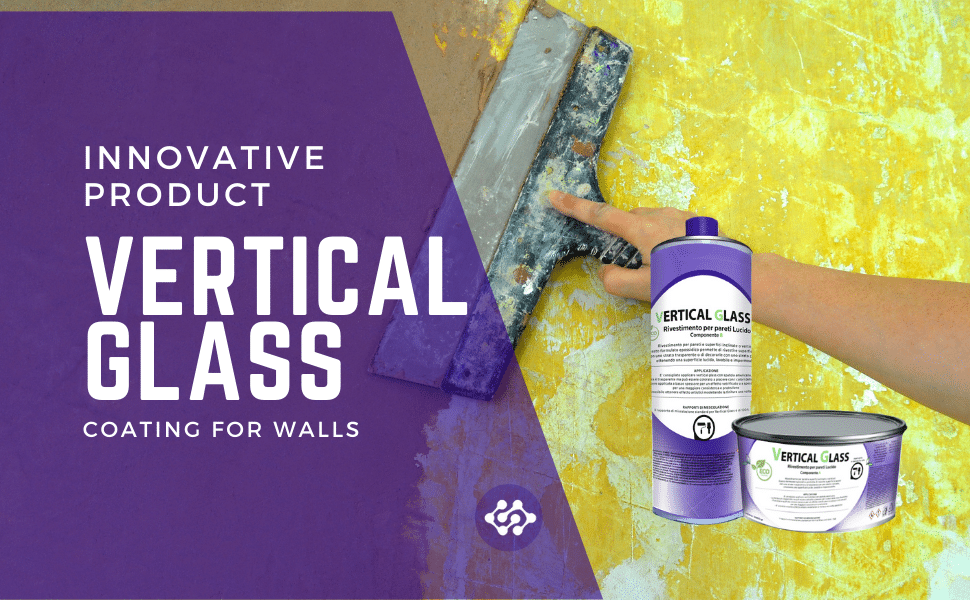
Resin wall coatings, like Vertical Glass, offer several benefits compared to classic enamels. They create a seamless, customisable layer that resists water penetration and can be tinted with various pigments for a unique appearance. Unlike some enamels, resin coatings do not self-level on vertical surfaces, which means they preserve fine decorative work and details on existing tiles without run or sag.

Applying Resin Safely to Tiles
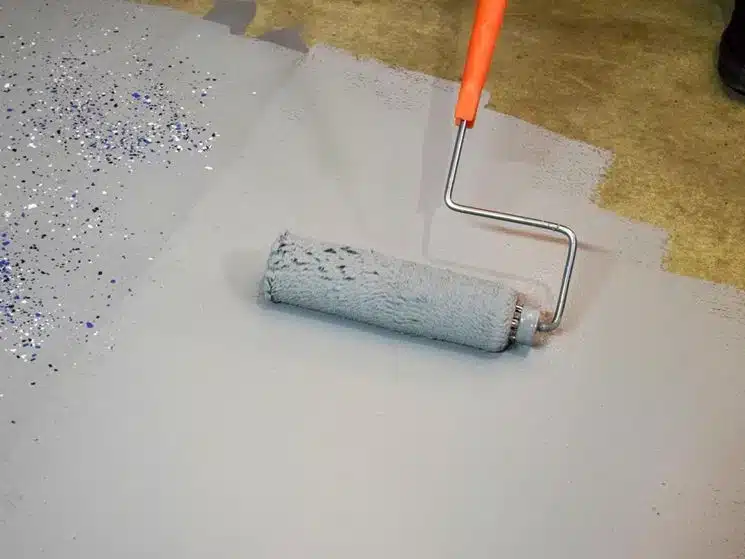
Achieving strong adhesion on tiled surfaces is important for any wall coating project. Using a dedicated primer, such as Epoxyprimer, can help ensure that the resin bonds properly to ceramic tiles. The primer provides a firm base, while the resin finish acts as a waterproof barrier that is easy to maintain. Application is generally done with a spatula, allowing for full coverage even over grout lines.
When Should You Use Resin Instead of Enamel?
Resin coatings are particularly well-suited for bathrooms, kitchens, wetrooms, and other areas exposed to frequent moisture. They outperform enamels in maintaining glossy, washable finishes in high-humidity spaces and can be refreshed more easily over time. For projects where durability, custom colour effects, and water resistance are key, resin is usually the superior choice.
Related products
Related guides
Opting for resin coatings on tiled walls opens up creative and practical possibilities beyond what enamel can offer, especially in damp environments. For more insights on comparing resin and enamel finishes for tiles, explore our main guide on this topic.