 Free shipping on orders over £29,85
  Shipping Tracking!


 Google
 Facebook
Which is better for covering tiles: resin or enamel?
Comparison of resin, enamel, and PU coatings for tiles
Choosing the right coating for tiles can be a daunting task, especially when deciding between resin and enamel options. This guide is designed for homeowners, renovators, and professionals looking to enhance, protect, or refresh tiled surfaces using the latest coating technologies. Here, you’ll find a comprehensive comparison of resin, enamel, and advanced polyurethane (PU) coatings, along with detailed insights into the best products for specific tile projects.
Resin vs Enamel: Key Differences for Tile Coverage
Both resin and enamel coatings serve the purpose of protecting and decorating tile surfaces, but their performance characteristics differ greatly. Resin coatings – often epoxy or polyurethane-based – cure to form a tough, seamless, water-resistant barrier, making them highly durable and ideal for demanding areas like floors, wet rooms, or kitchens. Enamel paints, by contrast, offer a hard but thinner decorative layer, which may not provide the same level of waterproofing, adhesion, or longevity, especially on ceramic tiles or in high-traffic environments.
Epoxy-based resins stand out for excellent adhesion on tiles when paired with suitable primers, creating a base for creative or clear finishes. PU coatings further offer UV resistance, weatherproof protection, and are suitable for areas exposed to direct sunlight or regular abrasion. The right choice will depend on desired finish, application area (horizontal, vertical, wet, or dry), and long-term use.

Visual Comparison of Tile Coating Outcomes
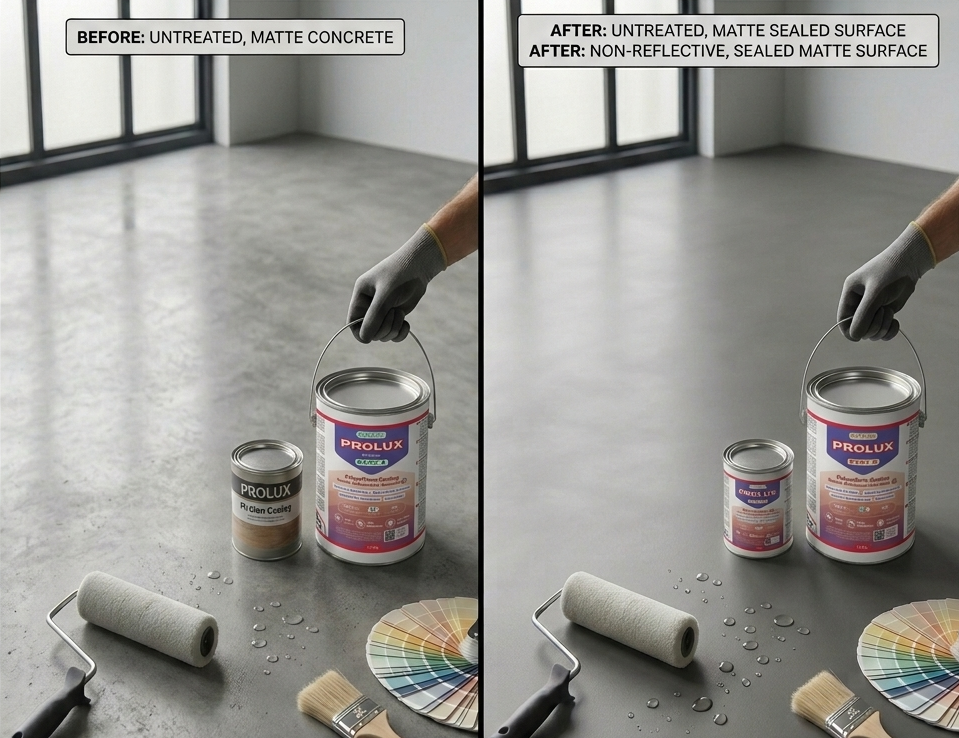
See how resin, PU, and enamel finishes transform tiles with their unique gloss, depth, and durability. Notice the seamless resin coatings, the colourful possibilities of PU, and the differences in surface texture compared to enamel paint. Explore all coating options for your next tile project.
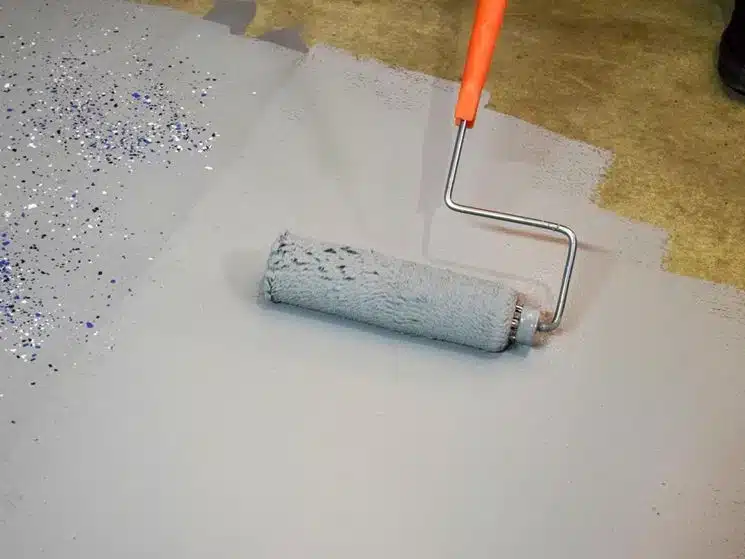
“Epoxyprimer” – Universal Water-Based Two-Component Epoxy Floor Primer
Epoxyprimer – Universal Water-Based Two-Component Epoxy Floor Primer is a specialist substrate preparation solution, ensuring that subsequent resin layers adhere securely to ceramic, stone, and even glossy tile surfaces. Superior adhesion is achieved by chemically bonding the primer to both the tile and the top resin coat, maximising durability. It is eco-friendly & odourless, making it suitable for indoor projects without harmful fumes. Its versatile compatibility extends to timber, screed, concrete, and tiles, and the simple application (via roller, brush, or spatula) means professional results are achievable even for DIY enthusiasts. For those looking to re-coat tiled floors or walls with epoxy, this primer is an essential foundation.
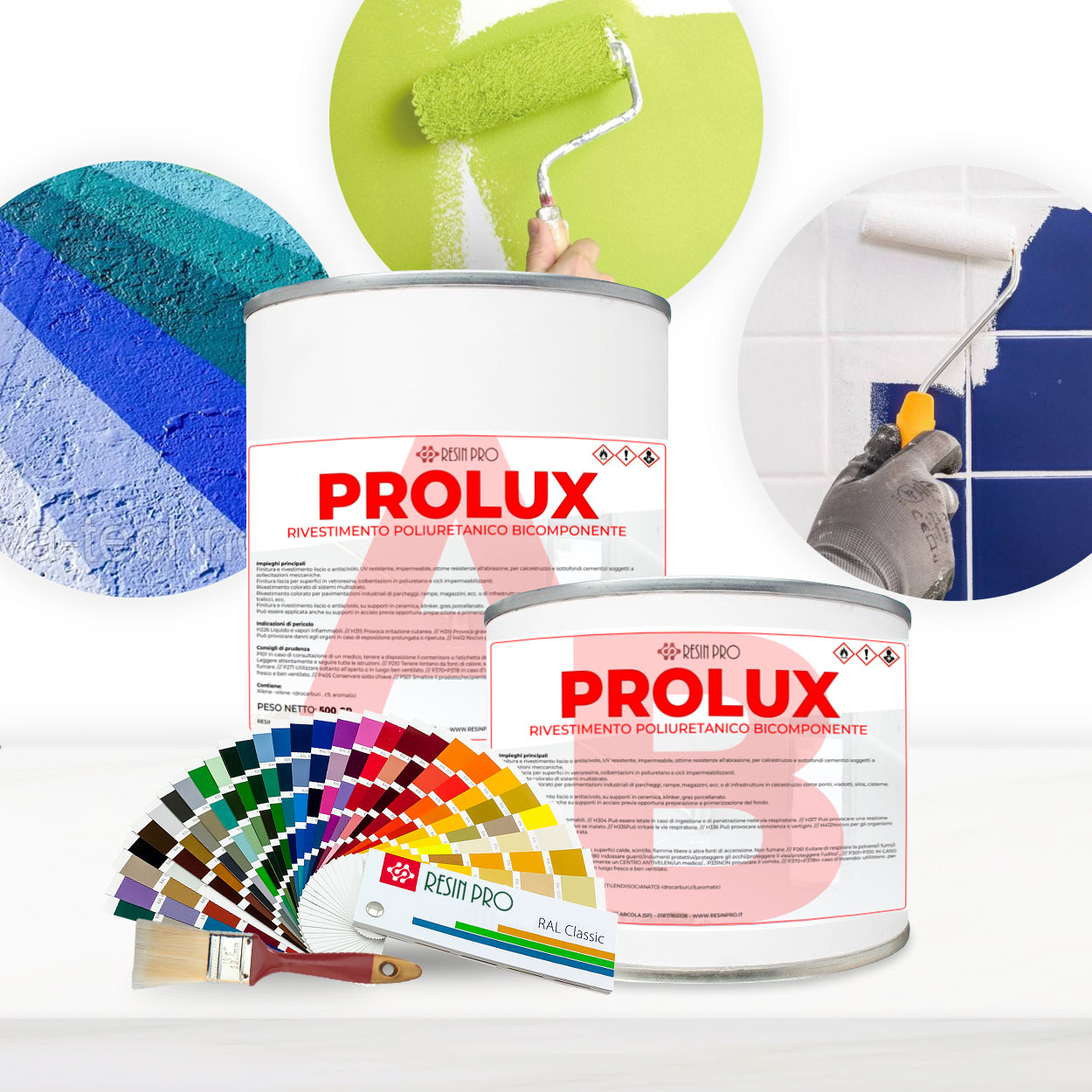
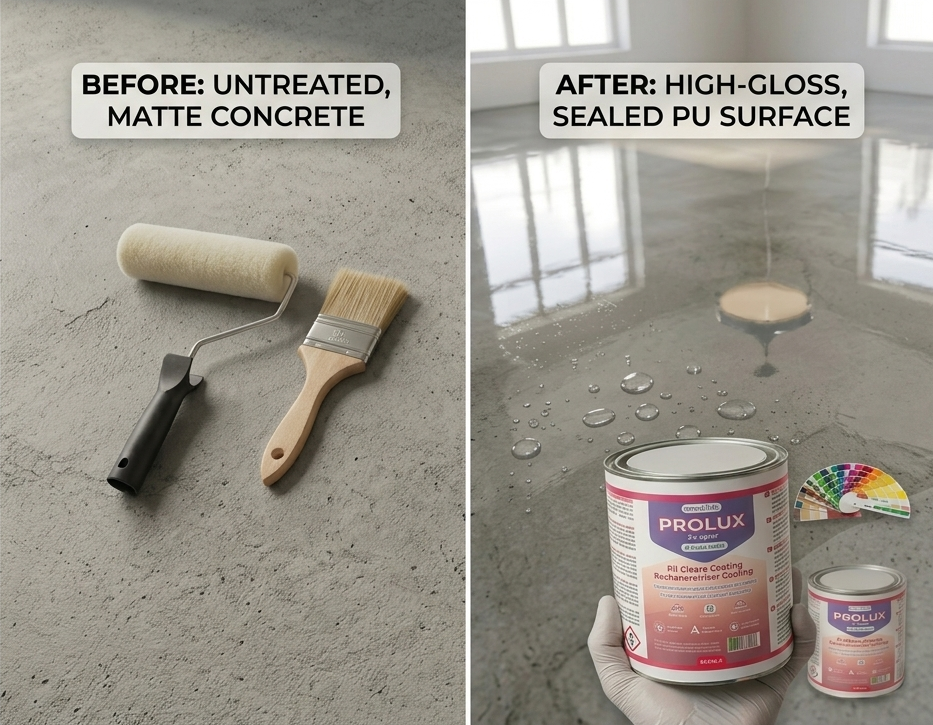
“Prolux” – PU coating for tiles, concrete, plastic and metal – suitable for driveable surfaces
Prolux – PU coating for tiles, concrete, plastic and metal – suitable for driveable surfaces is an advanced two-component polyurethane (PU) system that provides advanced protection against UV rays, yellowing, abrasion, and weathering. While not a traditional resin or enamel, PU coatings like Prolux raise the bar for tile protection, especially where resistance to heavy wear and weather is essential – think garages, wet rooms, or commercial entryways. Prolux excels with ideal for damp and high-traffic areas and can be tailored with versatile finish options (glossy or satin, any colour). Unlike single-component enamels, it offers true longevity and strength for tiles.
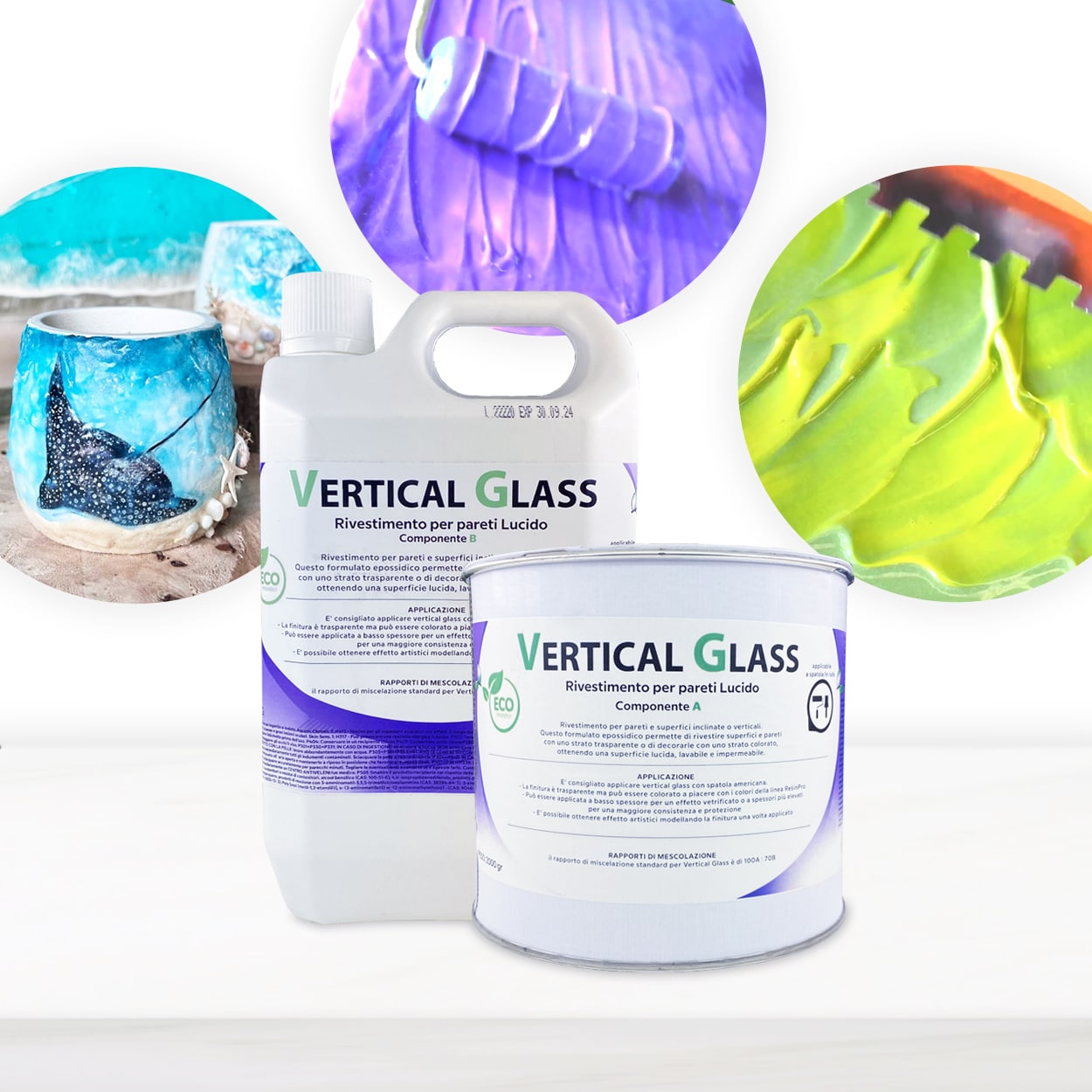
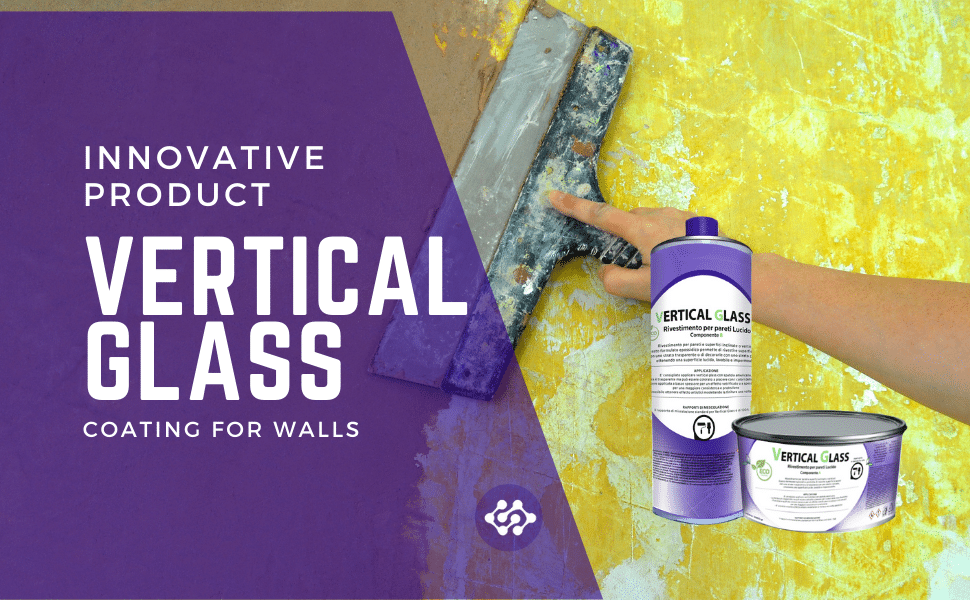
“Vertical Glass” – Thick Resin Decorative Wall Coating
If you’re planning to decorate and waterproof tiled walls, Vertical Glass – Thick Resin Decorative Wall Coating delivers a customisable finish: accepting pigments (including metallics) for eye-catching, unique effects. The glossy and washable: surface is highly practical where cleanliness or moisture resistance is key—such as bathrooms and kitchens. Its easy application: by spatula enables creative freedom on vertical or sloping tile surfaces, and a single coat will repairs and seals: imperfections while enhancing water resistance. The system can be finished with a varied thickness and polished to satin after sanding.
“Trasparente” – Multipurpose Clear Epoxy Resin for Casting – Up to 2cm
Trasparente – Multipurpose Clear Epoxy Resin for Casting – Up to 2cm is renowned for its ultra-clear formula and high scratch resistance, making it a viable option for clear tile coatings where you want to accentuate existing finishes rather than conceal them. With an integrated UV filter and a vegan-friendly formula, it’s especially favoured among artists, hobbyists, and anyone needing a hard-wearing, glass-like finish on smaller or decorative tiled surfaces. This resin is not recommended where flexible or enamel-like finishes are required, nor for large, thin wall areas.
Top Tips for Choosing the Right Tile Coating
When choosing between resin, enamel, or PU coatings for tiles, always consider the location and intended use. Surface preparation is vital: primers like Epoxyprimer can make all the difference in adhesion and lifespan. For wet or outdoor areas, opt for moisture-curing or weather-resistant products such as Prolux. Decorative finishes benefit from systems like Vertical Glass resin, whereas clear, high-sheen effects call for Trasparente resin. Always follow manufacturer instructions for mixing and curing for best results.
Expert Tips for Achieving the Perfect Tile Finish
Thoroughly clean and degrease tiles before priming to maximise resin or PU adhesion. Remember to ventilate the work area and use recommended PPE during application. For artistic customisation, blend metallic pigments into your resin for unique wall or splashback effects. If in doubt about chemical compatibility, consult product datasheets or contact our technical team for tailored advice.

- "Epoxyprimer" – Universal Water-Based Two-Component Epoxy Floor PrimerPrice range: £156.45 through £286.45"Epoxyprimer" is a water-based epoxy primer designed to enhance adhesion on concrete, tiles, and timber surfaces.
- "Prolux" – PU coating for tiles, concrete, plastic and metal – suitable for driveable surfacesPrice range: £44.85 through £494.85"Prolux" PU coating offers a durable finish suitable for tiles and various surfaces, matching the theme of comparing resin and enamel.
- "Vertical Glass" – Thick Resin Decorative Wall CoatingPrice range: £78.95 through £188.95Vertical Glass coating offers a customisable, waterproof finish with durable protection for walls and tiles, suitable for vertical and sloping…
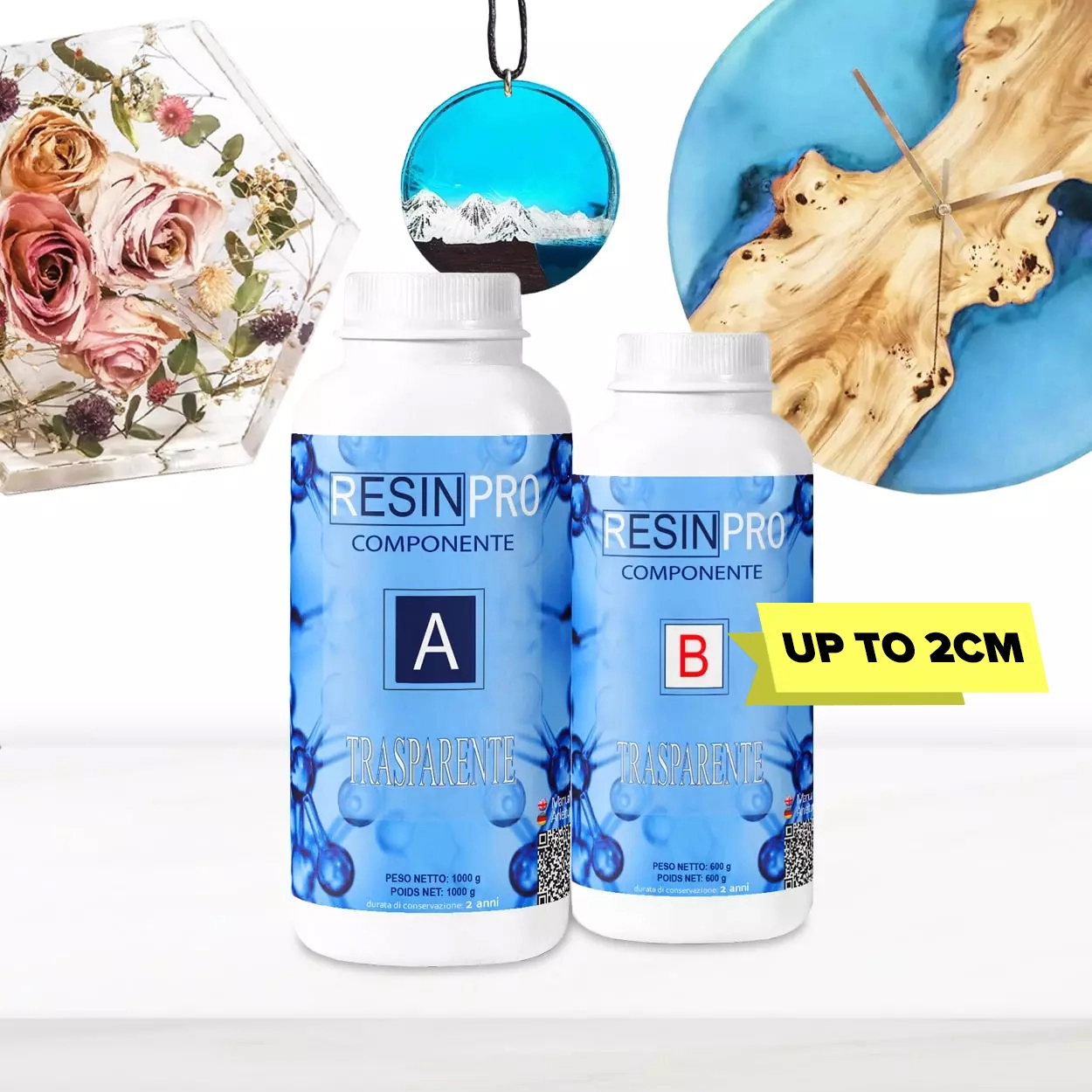 "Trasparente" – Multipurpose Clear Epoxy Resin for Casting – Up to 2cmPrice range: £8.95 through £397.95"Trasparente" is a clear epoxy resin suitable for casting layers up to 2cm, commonly used for detailed DIY and woodworking projects.
Frequently Asked Questions
Should I use a primer before applying resin to tiles?
Yes, using an epoxy primer is recommended to ensure maximum adhesion and durability of the resin coat on tiles.
Is PU coating or enamel better for high-traffic tiled areas?
PU coatings provide greater abrasion resistance and durability compared to basic enamel paints, making them ideal for high-traffic areas.
Can I use resin to cover bathroom and kitchen tiles?
Yes, epoxy resins and certain polyurethane coatings are suitable for wet environments, offering a waterproof and easy-to-clean finish.
What is the main difference between resin and enamel on tiles?
Resin forms a seamless, water-resistant coat, while enamel creates a thinner decorative layer with less moisture and impact resistance.
Can resin coatings for tiles be coloured or patterned?
Yes, epoxy resins like Vertical Glass can be tinted with pigments or metallics for highly decorative and personalised effects.
Is transparent resin safe and suitable for coating tiles?
Transparent resins are non-toxic and ideal for decorative clear coatings, provided the tile surface is properly primed and prepared.