 Free shipping on orders over £29,85
  Shipping Tracking!


 Google
 Facebook
← Back to How to Thin Epoxy Resin

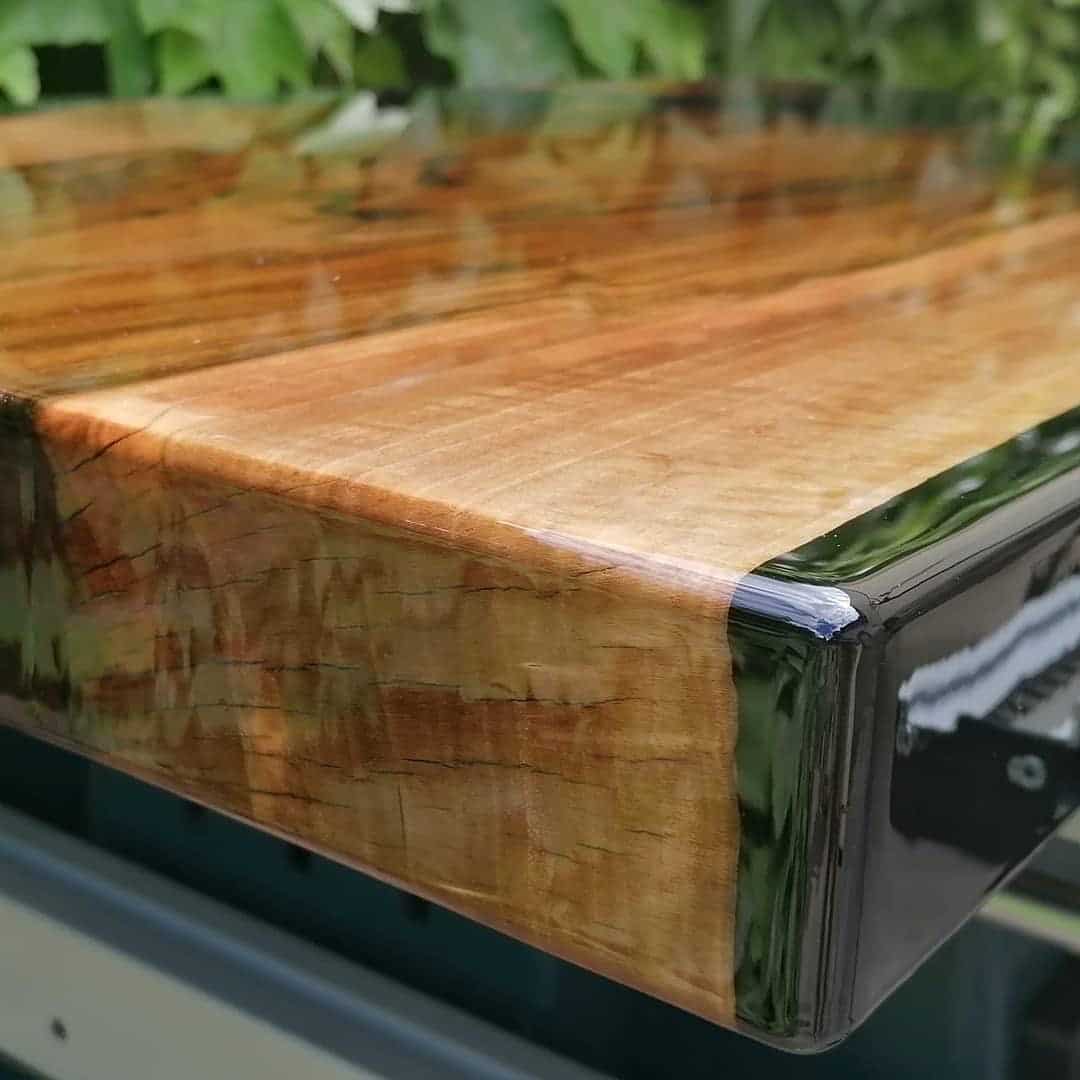
If you’re considering thinning your epoxy resin for an easier pour or special projects, it’s key to understand the effects this can have on the finished appearance and long-term clarity of your work. Thinners can introduce challenges for colour and UV resistance—let’s explore how and why.
How Thinning Can Affect Clarity and Colour
Adding thinners to epoxy may seem like a convenient way to reduce viscosity, but using too much can have noticeable consequences. Excess thinner may cause your finished resin to appear cloudy rather than crystal clear, and can sometimes alter or dull the tones of added pigments. To keep clarity high, opt for resins that are already designed with low viscosity for your application—rather than adding solvents yourself.


Thinning and UV Stability
One of the main drawbacks of thinning epoxy resin is a potential reduction in UV resistance. Properly formulated UV-stable resins include additives that help guard against yellowing and fading over time. Thinning the resin can dilute these protective qualities, making your piece more prone to discolouration when exposed to sunlight or fluorescent light. For projects where UV stability is important, consider using products such as “Epoxytable 10-Ten”, which contains strong UV filters and is designed for lasting clarity.
When This Matters
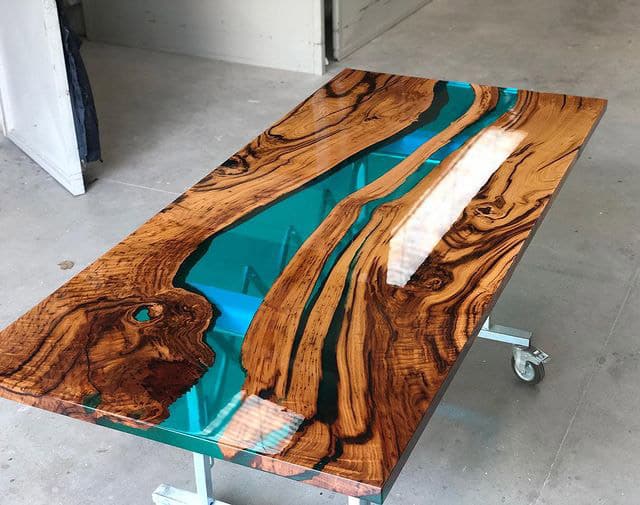
- Clear finishes and art: For river tables, jewellery, and artworks where transparency is essential, avoid thinning the resin yourself and use a UV-stabilised, low viscosity epoxy instead.
- Outdoor or sunlit items: Yellowing risk increases with thinners, so always choose a resin specifically formulated to resist UV exposure for these applications.
Related products
Related guides
Choosing the right, UV-stabilised low viscosity epoxy can help you achieve the clarity and durability you expect. To learn more about thinning methods and best products for your resin work, visit our main guide on how to thin epoxy resin.