 Free shipping on orders over £29,85
  Shipping Tracking!


 Google
 Facebook
← Back to How do you apply cement resin to wood?
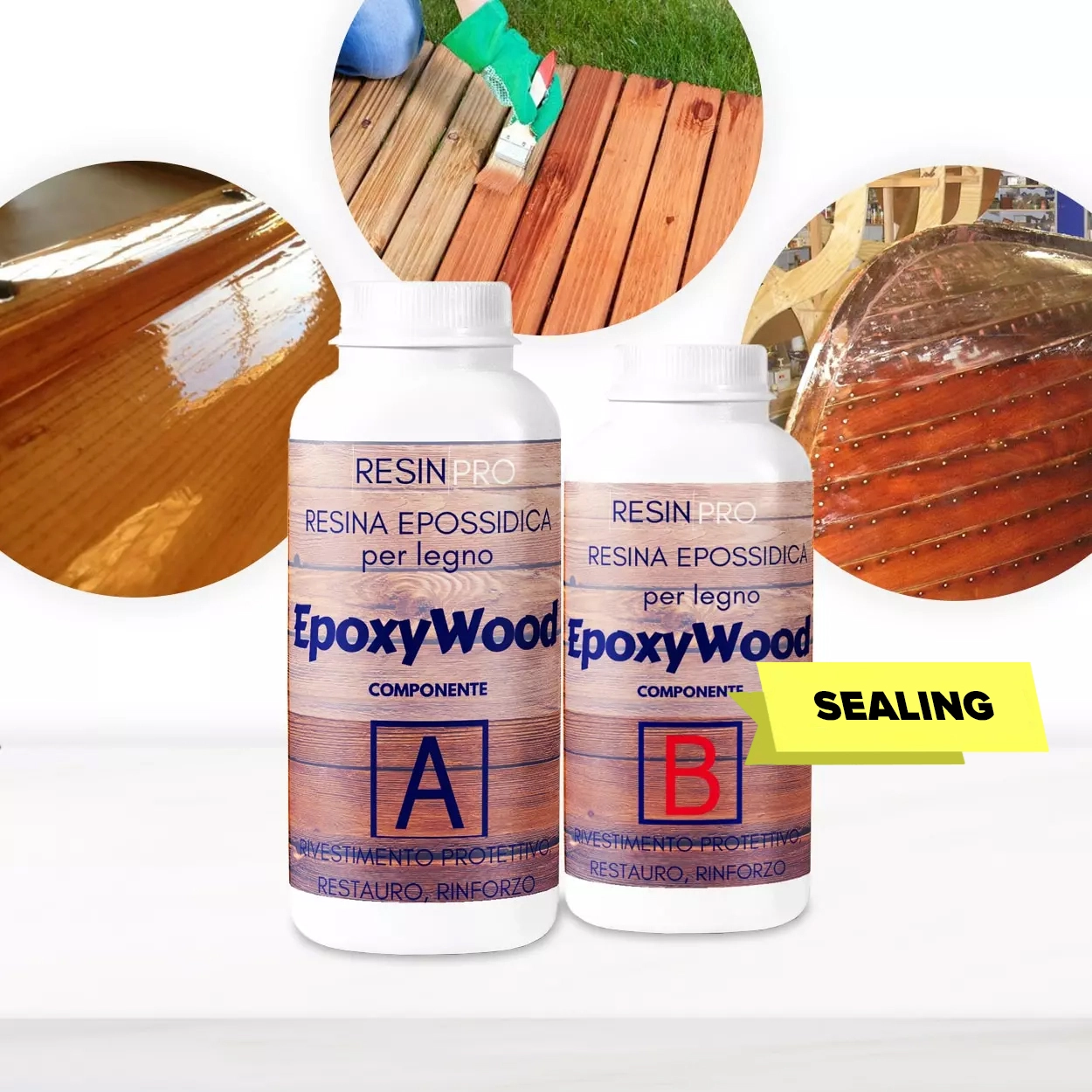
Untreated wood can be coated with epoxy resin, allowing you to achieve beautiful, durable finishes on natural timber surfaces. However, proper surface preparation is essential for strong adhesion and a lasting result.
Surface Preparation: The Foundation for Success
Even though untreated wood is naturally porous and can accept epoxy resin, it’s vital to sand the surface thoroughly first. Begin by using a medium-grit sandpaper to remove roughness and open up the wood grain, then finish with a fine grit for smoothness. Wipe away any sanding dust with a lint-free cloth—residue or oil left behind can affect how well the resin bonds.
- Sand along the wood grain for best results
- Ensure the wood is completely dry before applying resin
- Remove all dust and debris just before pouring
Selecting the Right Epoxy Resin
For untreated wood, the ideal resin will penetrate the grain for reinforcement while offering a waterproof barrier. EpoxyWood is a suitable choice, designed specifically for sealing and protecting natural wood. For decorative surfaces requiring clarity, a product like Art Pro works well, delivering a high-gloss, transparent finish. If you’re working on flooring or want additional adhesion, a primer such as Epoxyprimer may improve results.
Application Tips for Lasting Results
Apply resin in a space free from dust, using a brush or roller for thin coats, or pour for thicker layers. For deeply porous or damp-prone wood, a first seal coat may help prevent bubbles and ensure uniformity. Always observe the manufacturer’s recommended temperatures and curing times for best outcomes.
When This Matters
Using epoxy resin directly on untreated wood is especially useful for restoration, waterproofing, and creative projects where the natural look of timber is to be preserved. If you need maximum strength or are planning heavy use, consider prepping further with a suitable primer before resin application.
Related products
Related guides
Epoxy resin is a versatile choice for untreated wood, provided you prepare the surface well and select the right product for your needs. For advanced techniques or further guidance, see our main guide on how to apply cement resin to wood.