 Free shipping on orders over £29,85
  Shipping Tracking!


 Google
 Facebook
How do you apply cement resin to wood?
Step-by-step guide for professional wood sealing and coating
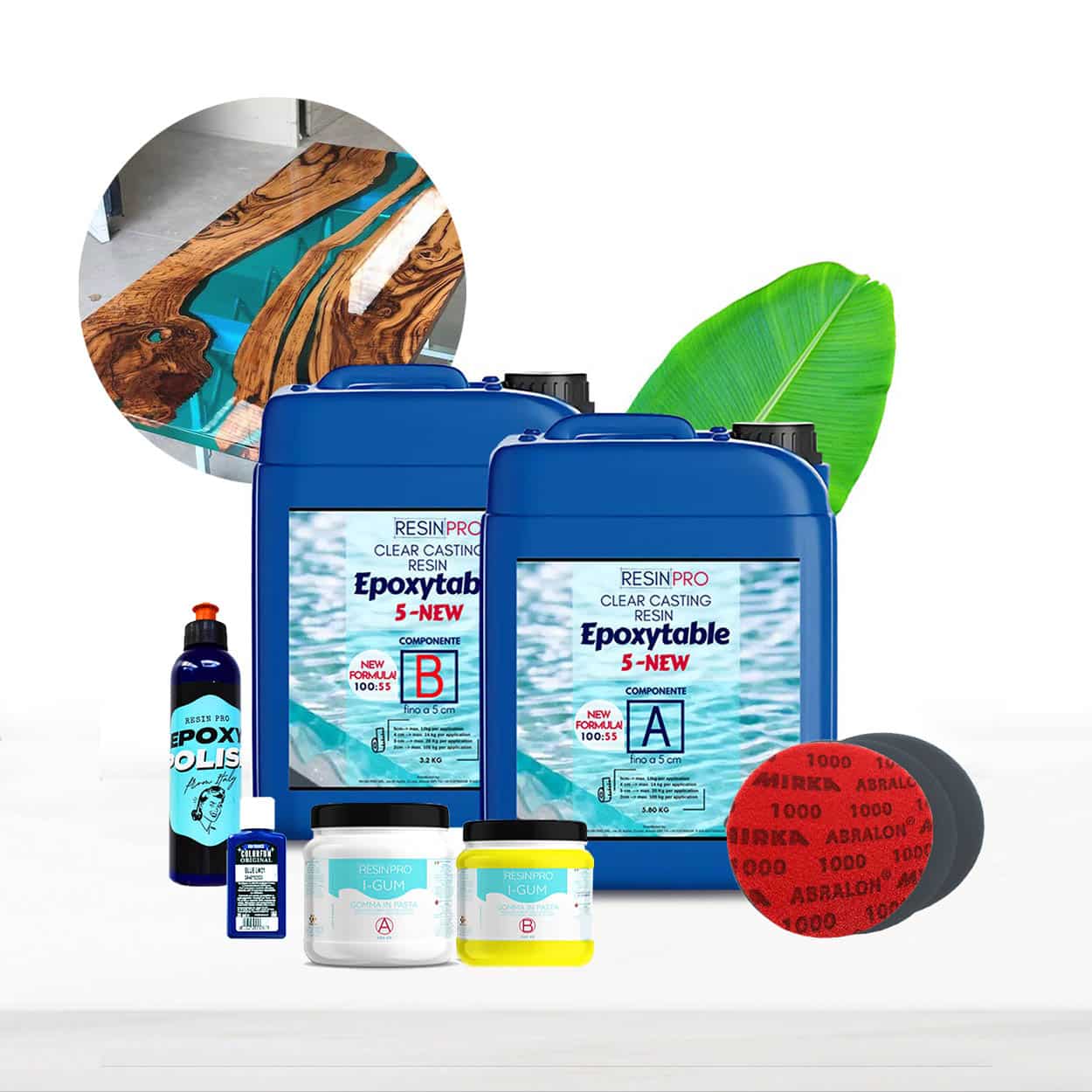
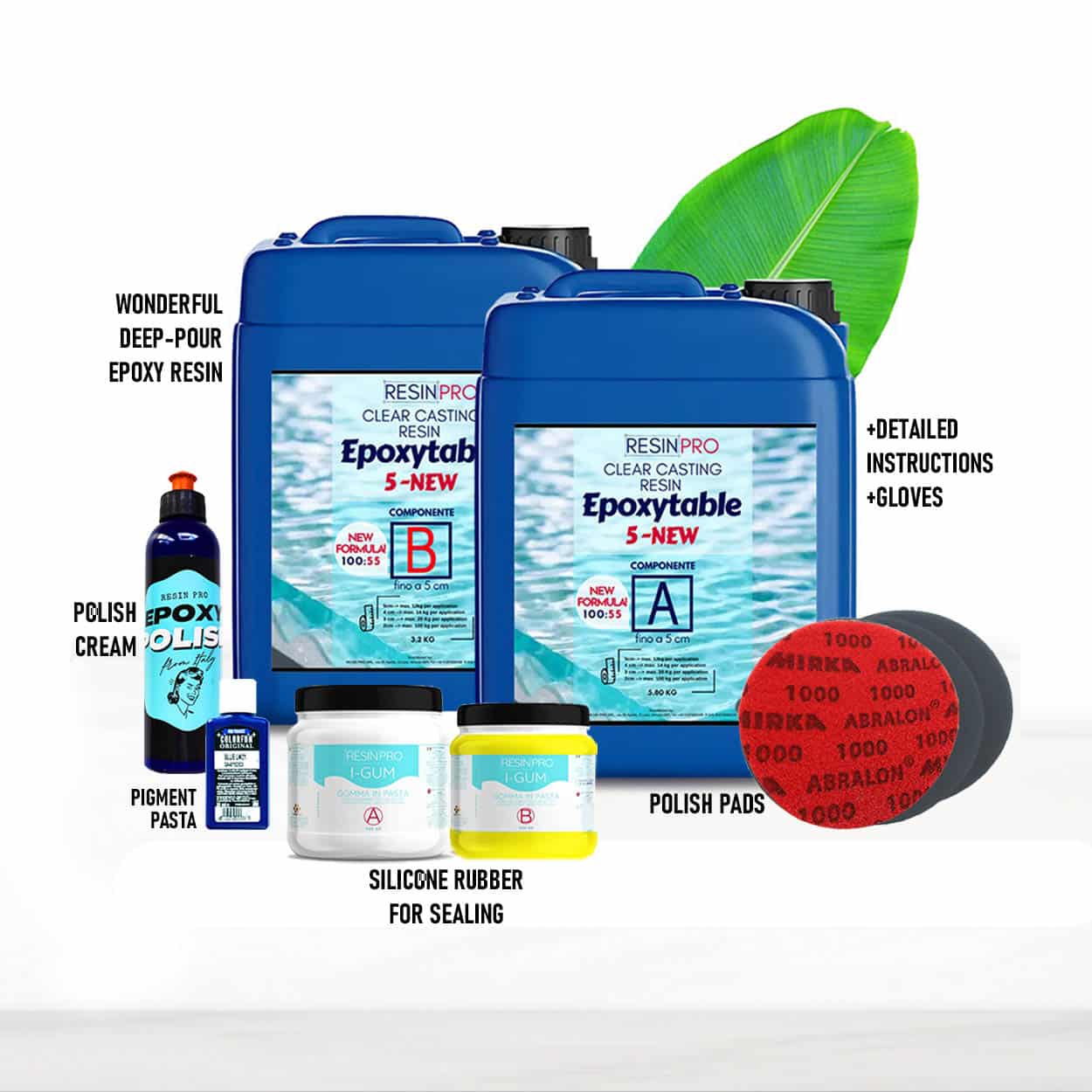
Transforming wooden surfaces with cement resin unlocks a new level of durability and visual appeal, making them not only longer-lasting but also resistant to moisture, wear, and environmental damage. Whether you’re restoring old furniture or creating a modern feature, following a proven process is key to achieving a professional, flawless result. This comprehensive guide walks you through every stage of applying cement (epoxy) resin to wood, so you can work with confidence on a wide range of woodworking projects.
What You’ll Need
- “EpoxyWood” – Wood Restoration Epoxy Resin for Deep Penetration and Waterproofing – For restoring and waterproofing wooden surfaces.
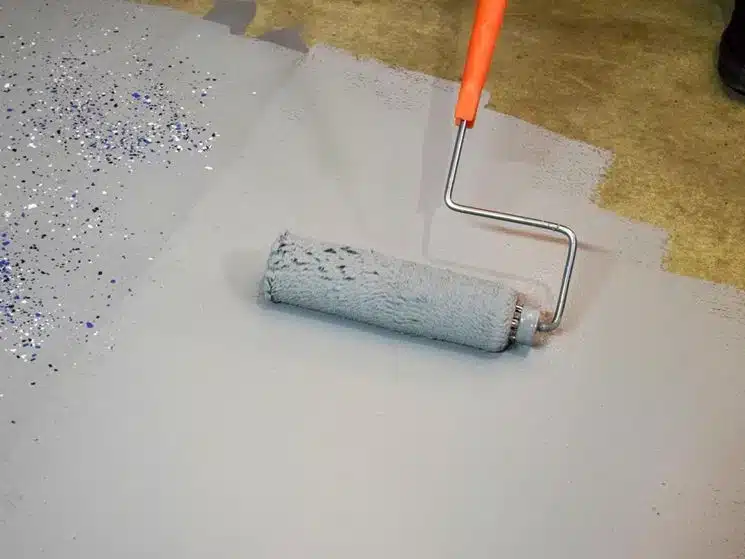
- “Epoxyprimer” – Universal Water-Based Two-Component Epoxy Floor Primer – For superior resin adhesion where extra grip is required.
- “River-Table” – Complete Kit for Creating Your First Epoxy Resin Table – Ideal if you want a kit to start with casting and sealing wood simultaneously.
- “Art Pro” – Clear Epoxy Resin for Artists and Surface Coating – For a crystal-clear, durable coating where a glass-like finish is needed.
- Sandpaper (80–240 grit), tack cloth
- Mixing buckets, clean stirrers
- Nitrile gloves, goggles, protective clothing
- Brushes or short-pile rollers
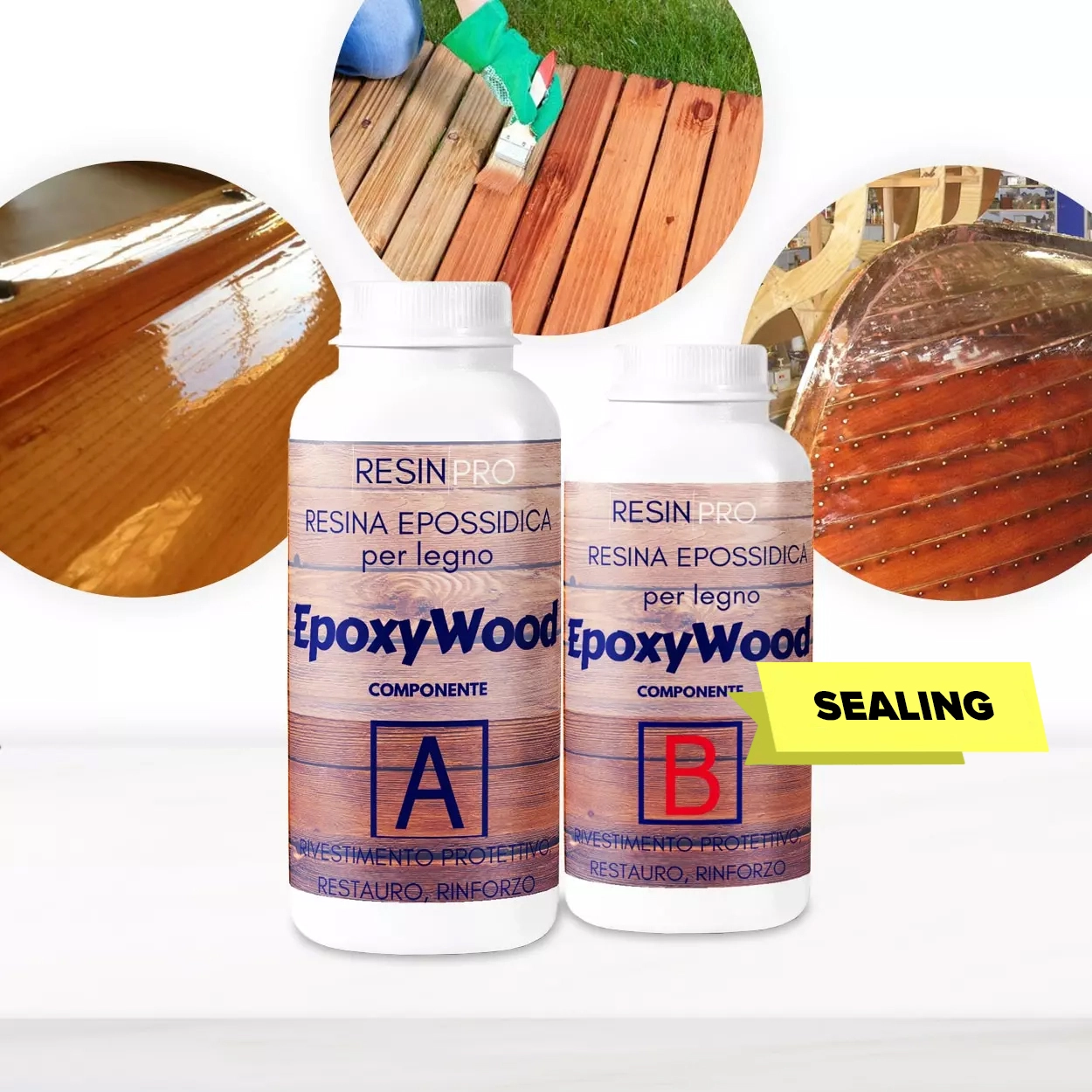
Visual Inspiration: Resin on Wood
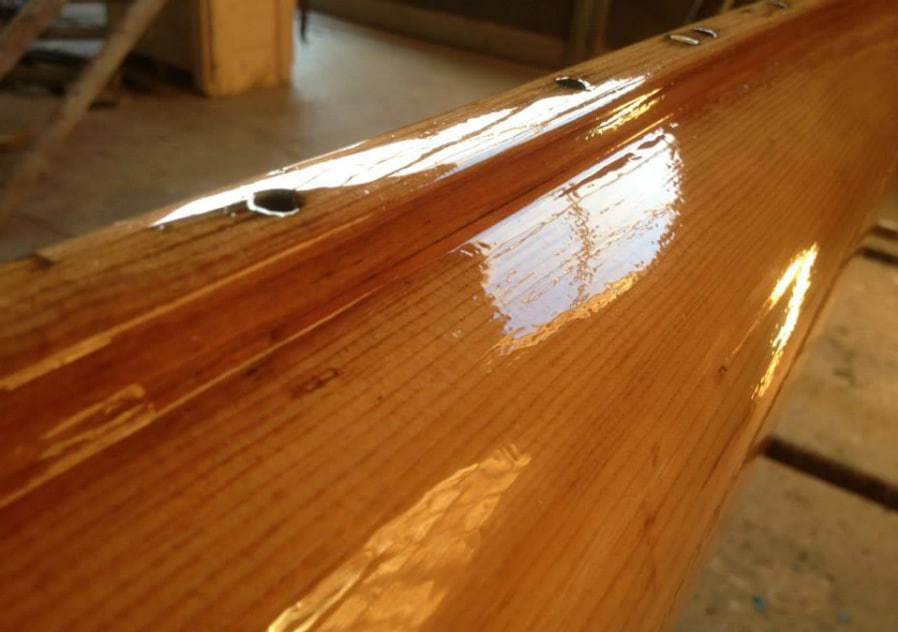
Explore the unique possibilities when resin meets wood. From rustic restoration to modern furniture, visual examples of resin immersing into timber can spark creative ideas and demonstrate the types of finishes you’ll achieve when following each key step.

Step 1: Prepare the Wooden Surface
Ensure your wood is clean, dry, and thoroughly sanded before any resin application. Begin by sanding the wooden surface to achieve a smooth, even base. Start with a medium-grit (around 120) sandpaper and work your way up to a finer grit (up to 240) to eliminate splinters and rough patches. Wipe away all dust with a tack cloth, as even small particles can disrupt the finish.
Moisture is the enemy of proper resin adhesion. Check that your wood has a moisture content below 12%; avoid recently cut or visibly damp timber. For best results, allow the wood to acclimate in your workspace for a few days before starting. Always prepare your workspace well-ventilated and wear safety gloves and goggles.
Step 2: Prime for Maximum Resin Bonding
For surfaces that are highly porous or have seen previous use, a primer coat is vital for ensuring strong adhesion and a level finish. Apply a thin layer of “Epoxyprimer” – Universal Water-Based Two-Component Epoxy Floor Primer using a short-pile roller or brush. Mix components thoroughly following the manufacturer’s ratio, and spread evenly across the wood. Allow this primer to dry for at least 24 hours to ensure a tacky yet dry-to-the-touch base ready for resin.
This step helps prevent air bubbles forming during the final resin application and drastically improves the bond between resin and timber, particularly on uneven or old surfaces.
Step 3: Mix and Apply the Cement Resin
Select your resin system according to the finish you desire—deep penetration and waterproofing, easy casting, or a clear artistic coat. Carefully follow mixing ratios and instructions specific to your chosen resin. If reinforcing or waterproofing existing timber, “EpoxyWood” – Wood Restoration Epoxy Resin for Deep Penetration and Waterproofing is ideal due to its ultra-low viscosity and ability to seep deep into the wood fibres.
Transfer the well-mixed resin to the prepared surface and spread it using a brush or spatula. Work in manageable sections to avoid missed spots or uneven layers. Pay extra attention to edges and joints. For larger or decorative projects such as resin tables, the “River-Table” – Complete Kit for Creating Your First Epoxy Resin Table offers a straightforward solution, including epoxy resin and all necessary materials for casting and bonding.

Step 4: Finishing and Curing
After applying the resin, check for air bubbles—gently use a heat gun or hairdryer to pop any that rise to the surface. Ensure the coating remains dust-free while curing; tenting the area can be useful. Refer to the specific resin’s cure time, typically 12–48 hours, and avoid moving or touching the piece during this period. “Art Pro” – Clear Epoxy Resin for Artists and Surface Coating is excellent for projects desiring a smooth, glass-like finish on tabletops or decorative wood panels.
Always allow sufficient curing time between layers. If applying multiple coats, follow the recommended intervals and gently sand between layers for optimal adhesion.
Tips, Common Mistakes, and Troubleshooting
Don’t attempt resin application on damp or oily wood surfaces. Proper preparation and patience are crucial for results. Careful mixing is essential to prevent sticky spots or incomplete cures. If bubbles persist, check that your substrate is not reacting with the resin—priming helps here.
If the resin finish feels tacky after full cure, temperature or incorrect ratios may be the cause. Always follow the instructions for your chosen epoxy product and ensure each step is complete before moving on. Experiencing persistent surface issues? Double-check primer and base resin compatibility, and always test on a small area first where possible.
Showcase: Finished Wood and Resin Projects
See how professionals and hobbyists achieve flawless results. From river tables to waterproof outdoor furniture, the completed projects on display prove what can be achieved by careful surface prep, correct products, and patient layering techniques.
- "EpoxyWood" – Wood Restoration Epoxy Resin for Deep Penetration and WaterproofingOriginal price was: £64.00.£39.85Current price is: £39.85."EpoxyWood" is designed for wood restoration with deep penetration and waterproofing, suitable for reinforcing and protecting wooden surfaces.
- "Epoxyprimer" – Universal Water-Based Two-Component Epoxy Floor PrimerPrice range: £148.84 through £272.45Epoxyprimer is a water-based floor primer designed for adhesion on timber, concrete and tiles, suitable for flooring preparations.
- "River-Table" – Complete Kit for Creating Your First Epoxy Resin TablePrice range: £188.85 through £444.85"River-Table" kit provides materials and instructions to create a wood and resin table, suitable for beginners and enthusiasts alike.
 "Art Pro" – Clear Epoxy Resin for Artists and Surface CoatingPrice range: £31.15 through £388.85Art Pro clear epoxy resin provides high-gloss, durable finishes suitable for artists and crafters needing precise, transparent coatings.
Frequently Asked Questions
Does wood need to be treated before applying resin?
Yes, always ensure wood is clean, dry, and sanded smooth for the best bond and finish with resin.
Can you apply epoxy resin on untreated wood?
Untreated wood can accept epoxy resin but should still be thoroughly sanded and cleaned before use.
How long should wood dry before resin application?
Wood should be acclimated and dried until it has a moisture content below 12% to prevent bonding issues.
Do you need a primer before applying resin to wood?
Using a primer like Epoxyprimer helps ensure even adhesion, especially on porous or aged woods.
Can you add multiple layers of resin on wood?
Yes, but always let each layer cure and sand lightly between coats for optimal adhesion and finish.
How do you fix a tacky or uncured resin surface?
A tacky result usually means improper mixing or low temperature; sand and recoat if needed, and ensure proper ratios next time.