 Free shipping on orders over £29,85
  Shipping Tracking!


 Google
 Facebook
← Back to What do you dilute alkyd resin with?
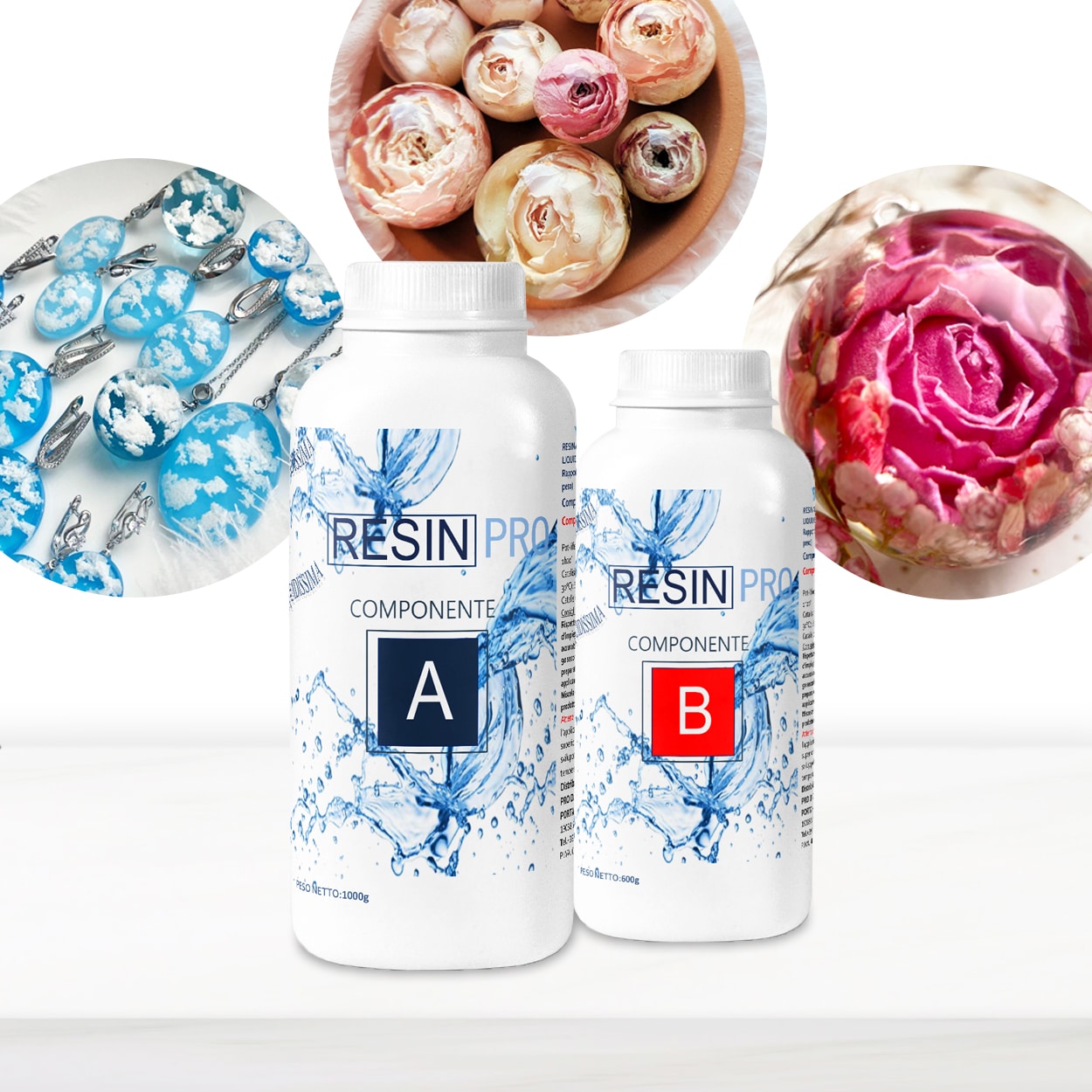
If you’ve used alkyd resins before, you might wonder if similar thinners can be used for epoxy resin. Understanding the differences is key to achieving the best results in resin projects.
Why Alkyd Thinners Aren’t Suitable for Epoxy Resin
Epoxy resins and alkyd resins have different chemical properties. Alkyd resin thinners are typically hydrocarbon or spirit-based, but epoxy resins are designed to be mixed only with their specific hardener in a precise ratio. Using alkyd thinners or solvents with epoxy resin can disrupt the curing process, potentially leading to tacky finishes, poor durability, or complete failure to harden. Always refer to your epoxy product’s instructions and avoid substituting any additives not recommended by the manufacturer.
Correct Way to Prepare and Manage Epoxy Resin
Epoxy resin should be mixed with its dedicated hardener in the correct ratio—commonly by weight or volume, as specified. For example, the Liquidissima Epoxy Resin is specifically formulated to deliver excellent flow and clarity without the need for any thinning. If you’re seeking easier pouring or specific effects, look for low-viscosity epoxy formulations that don’t require additional solvents.
- Mix components slowly to reduce air bubbles.
- Avoid water, spirit, or alkyd-based thinners.
- Work at the recommended temperature for the best handling and cure.
When This Matters: Craft and Decorative Resin Projects
Misusing thinners with epoxy resin most often affects jewellery, coatings, and craft pieces where a clear, blemish-free surface is crucial. Choosing the right product, such as a clear, self-levelling epoxy resin, ensures your art or decorative project achieves a professional result without risk of improper curing.

Related products
Related guides
For safe, reliable, and durable results, always use epoxy resins as directed, without alkyd thinners. For more on resin handling and product selection, explore our main guide on what to dilute alkyd resin with.