 Free shipping on orders over £29,85
  Shipping Tracking!


 Google
 Facebook
← Back to How do you thin resin?
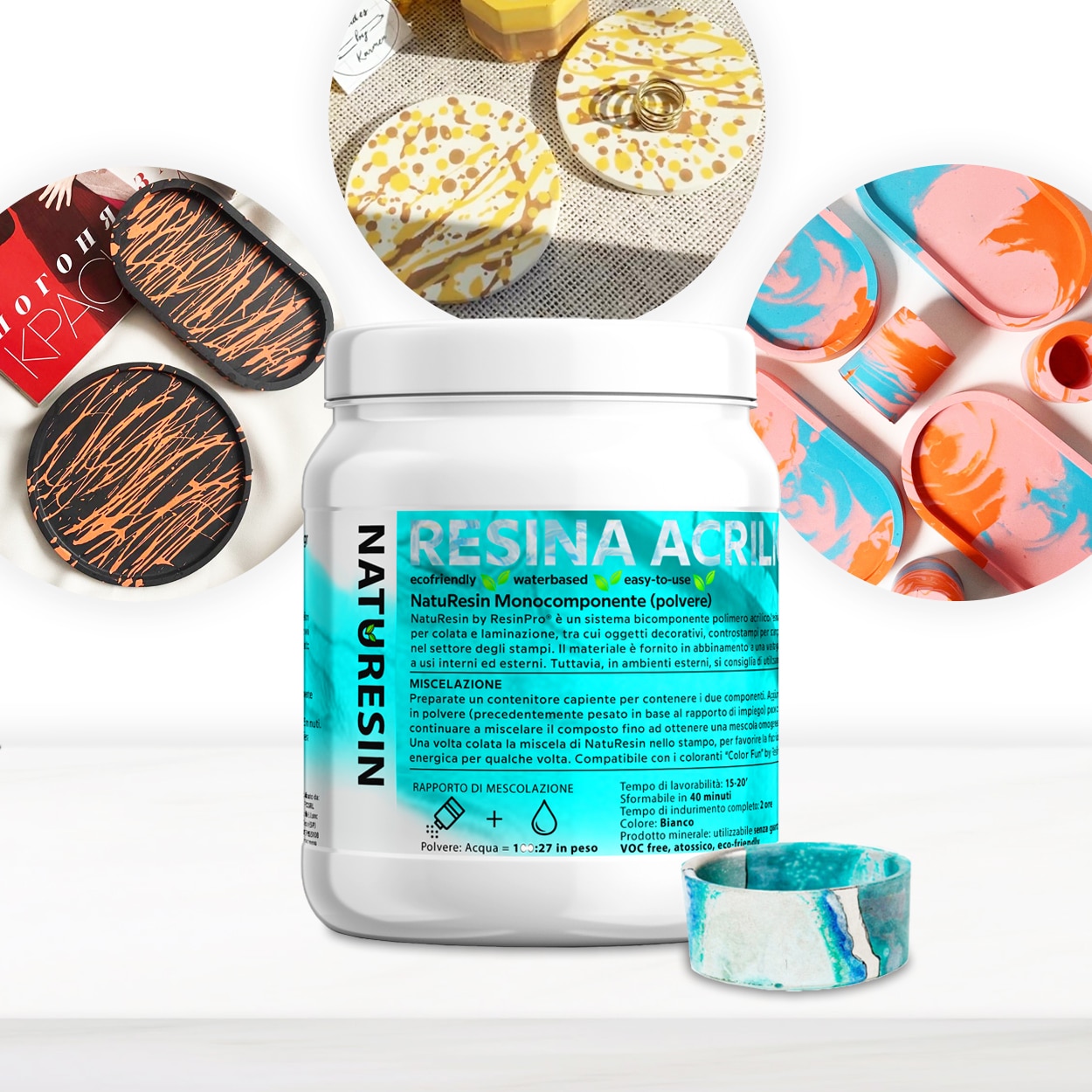
Thinning resin is a common need in crafts and casting, but not all resins respond the same to water. Let’s clarify when water is appropriate, and when it’s best avoided for resin projects.
When Water Works: Mineral-Based Resins
Most traditional epoxy resins do not mix well with water and can become cloudy or unusable if water is added. However, there are specialist mineral-based options like NatuResin that are specifically designed to be mixed and thinned with ordinary tap water. This makes them ideal for both beginners and experienced makers seeking a safer, more convenient solution for moulded decor, coasters or creative cast items.
Why Epoxy Resin and Water Don’t Mix
Standard epoxy resin relies on precise chemical reactions between its components. Introducing water interrupts this process, often leading to poor curing, tacky finishes, or ruined projects. For thinners with epoxy, always follow manufacturer guidance—alternatives like specialist solvents may be suitable, but water is not recommended.
Practical Tips for Resin Selection
- If your project requires a solvent-free, eco-friendly and easy-to-handle resin, choose a product like NatuResin, which is designed for use with water only.
- Avoid water with any standard two-part epoxy or UV resin to ensure best results and avoid failed cures.
- Check product instructions—only use water with resins specifically intended for it.
When This Matters
Understanding the correct thinning method helps prevent wasted materials and failed projects, especially when working on creative crafts, gifts or small business items.
Related products
Related guides
Selecting the right type of resin for your project is essential for success. For guidance on thinning and working with different resins, see our full resin thinning guide.