 Free shipping on orders over £29,85
  Shipping Tracking!


 Google
 Facebook
How do you thin resin?
Thinning resin is often necessary to achieve finer details, improved flow, or unique effects in creative projects. This guide explains the safest and most effective methods for thinning different types of resin, whether you are casting decorative pieces, crafting functional items, or working on intricate art. By understanding which thinning techniques work best for your material, you’ll achieve better results while avoiding common pitfalls and safety risks.
Step-by-step methods for improved resin flow and results
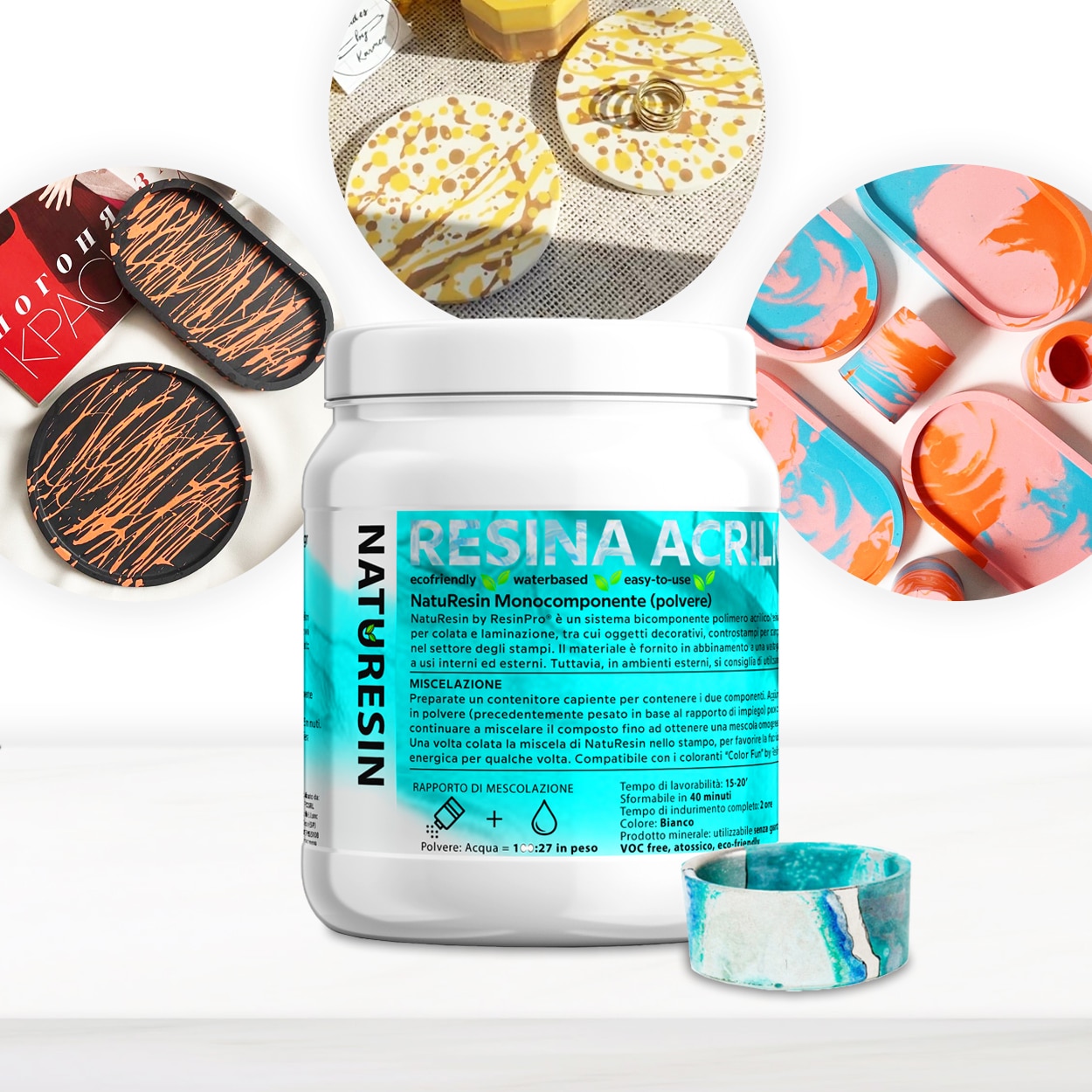

What You’ll Need
- “NatuResin” – Mineral Resin & Water System for Creative Casting and Crafts: Eco-friendly mineral resin activated and thinned with water.
- Pure Isopropyl Alcohol 99.9% – 1000ml Bottle for Epoxy Resin Projects & DIY: For surface effects and bubble removal on epoxy resins.
- Fresh tap water (for thinning mineral resins)
- Clean mixing containers and stir sticks
- Gloves and eye protection
- Access to a well-ventilated workspace
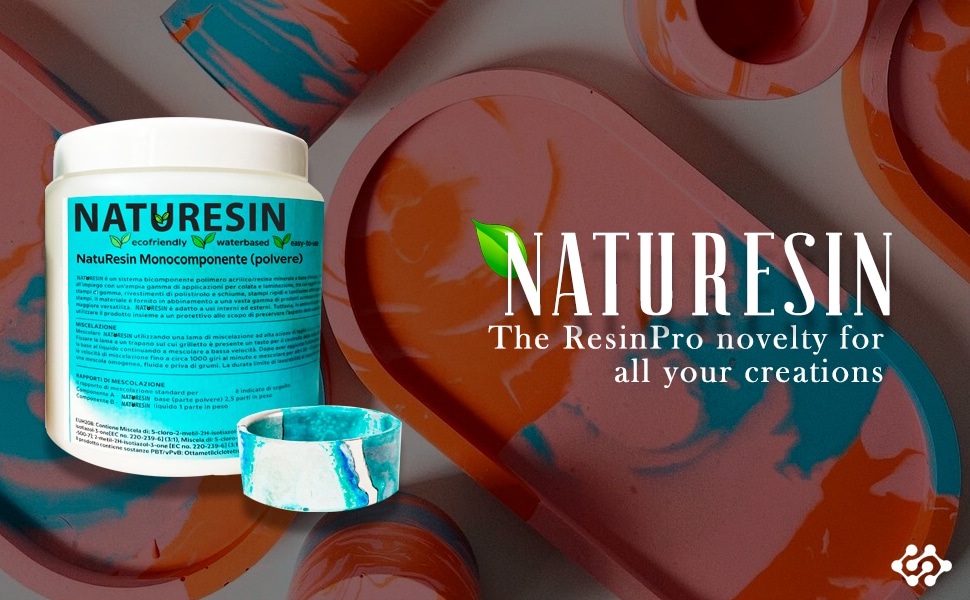
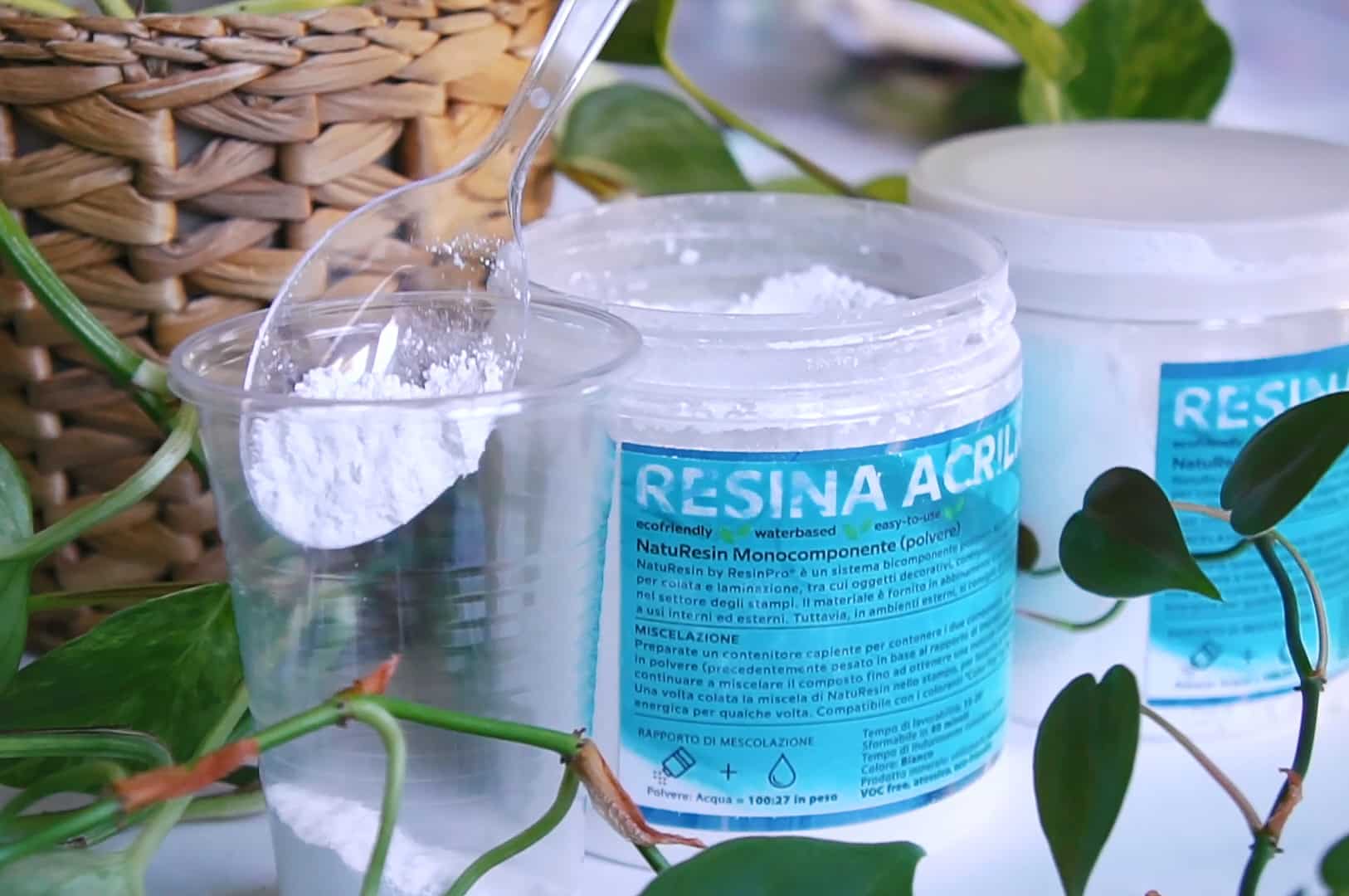
Visual Guide to Resin Thinning Tools
See the difference between water-based mineral resin and epoxy resin tools. NatuResin mixes simply with water, while isopropyl alcohol is reserved for art effects or bubble removal. Always set up your materials before starting your resin project to streamline your workflow and ensure safety.
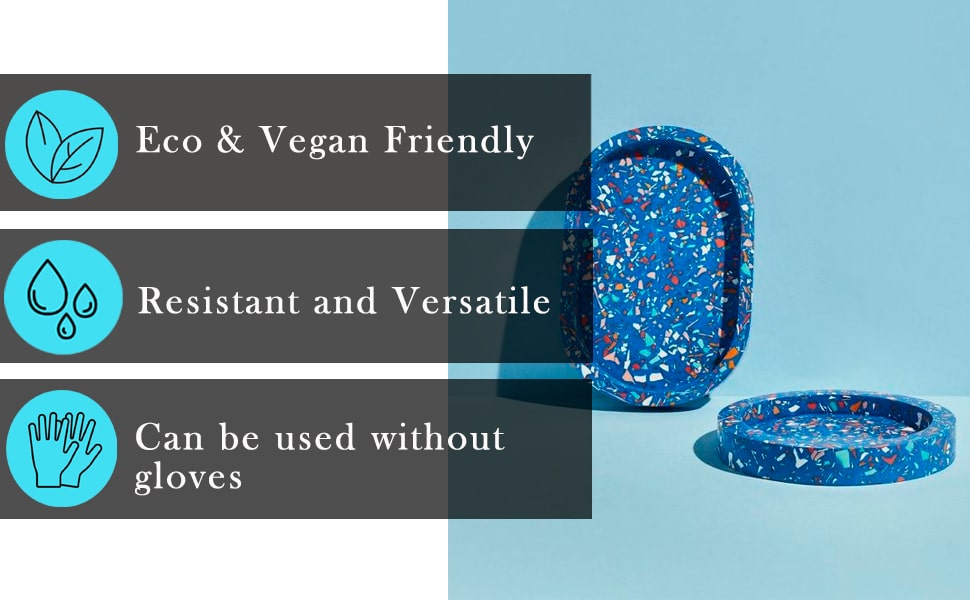
Step 1: Identify Your Resin Type
Before attempting to thin any resin, it is essential to know what type of resin you are using. Most craft resins fall into two categories: traditional (epoxy or polyester) resins and water-based mineral resins. Each responds differently to thinning—and using the wrong method can ruin your project or introduce safety hazards.
Always use protective equipment and ensure ventilation when working with resins, especially those that are not water-based.
Step 2: Thin Water-Based Mineral Resin with Water
If you are using a product such as “NatuResin” – Mineral Resin & Water System for Creative Casting and Crafts, thinning is straightforward. Simply add the amount of fresh tap water recommended by the manufacturer during mixing. This not only activates the resin but also adjusts its viscosity for finer casting and detail work.
For water-based mineral resins, use only fresh tap water for thinning. Adding solvents or alcohol may compromise the curing process and final strength of the material.
Step 3: Create Effects in Epoxy Resin with Isopropyl Alcohol
Traditional epoxy and polyester resins do not thin effectively with water. While certain commercial additives are available, these are often specific to the resin system. However, if your main goal is to create special surface effects or to help pop bubbles, a fine mist of Pure Isopropyl Alcohol 99.9% – 1000ml Bottle for Epoxy Resin Projects & DIY can be sprayed over the surface immediately after pouring.
Only use isopropyl alcohol for surface effects, not as a true thinner. It helps level the surface and eliminate bubbles but should not be mixed into the resin as a thinning agent.
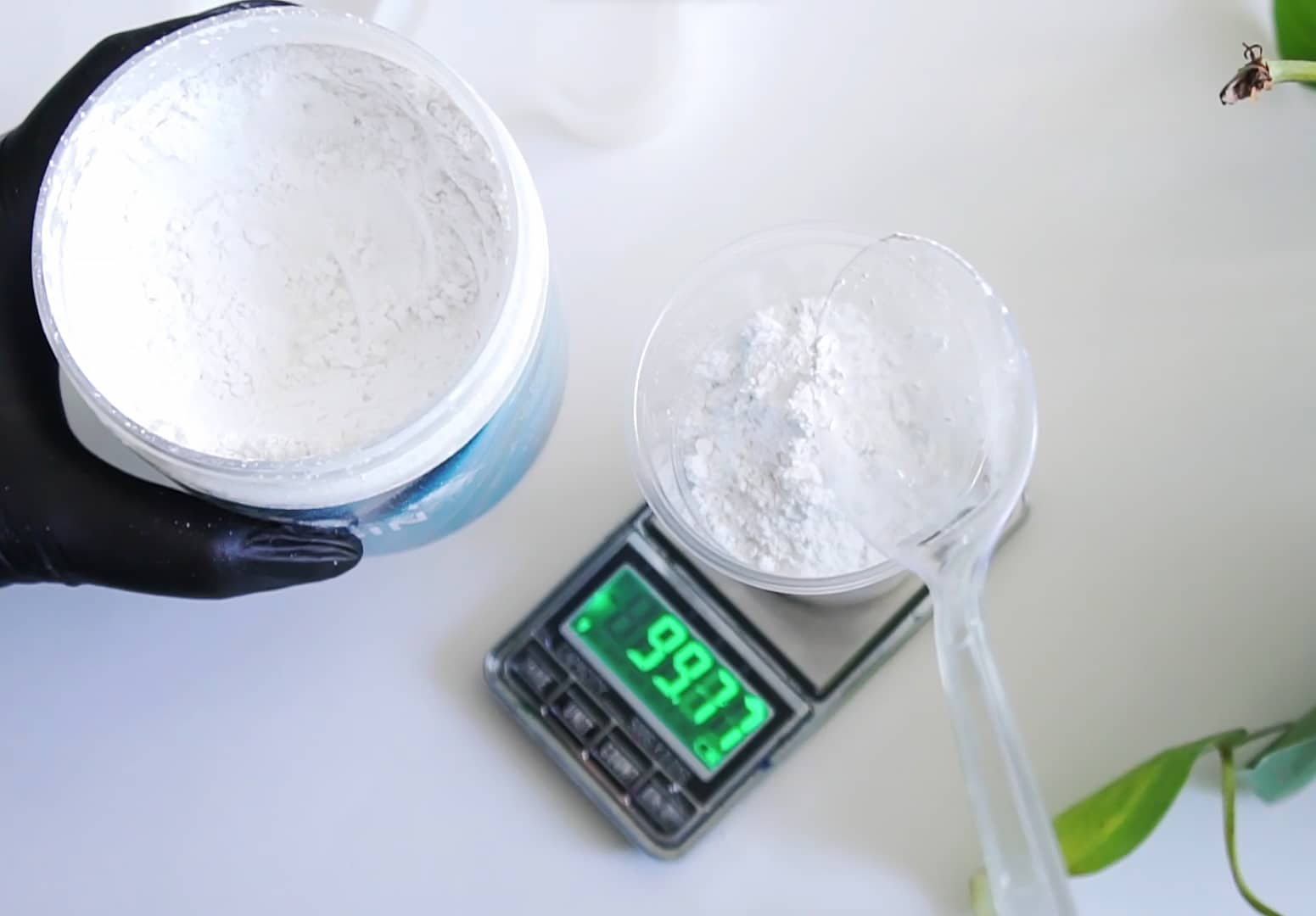
Step 4: Avoid Unapproved Solvents and Follow Manufacturer Guidelines
Never use household solvents, acetone, or other chemicals to thin resin unless explicitly recommended by the resin’s manufacturer. Unapproved thinners can cause incomplete curing, structural weakness, or even dangerous fumes. Always consult product instructions and adhere strictly to suggested thinning ratios and materials.
Do not substitute solvents if not recommended by the manufacturer, as this could jeopardise both your project and your safety.
Tips and Common Mistakes When Thinning Resin
When thinning resin, measure all components accurately for consistent results. Over-thinning can degrade final strength and appearance, so always add water or approved additives gradually. Conduct a small test piece before working on your final project, especially when trying a new thinning method or working with unfamiliar resin types.
If the mixture appears separated, unusually cloudy, or fails to cure properly, discard the batch and start over using correct techniques. Good ventilation is essential, particularly when using isopropyl alcohol or any additives that release fumes during use.
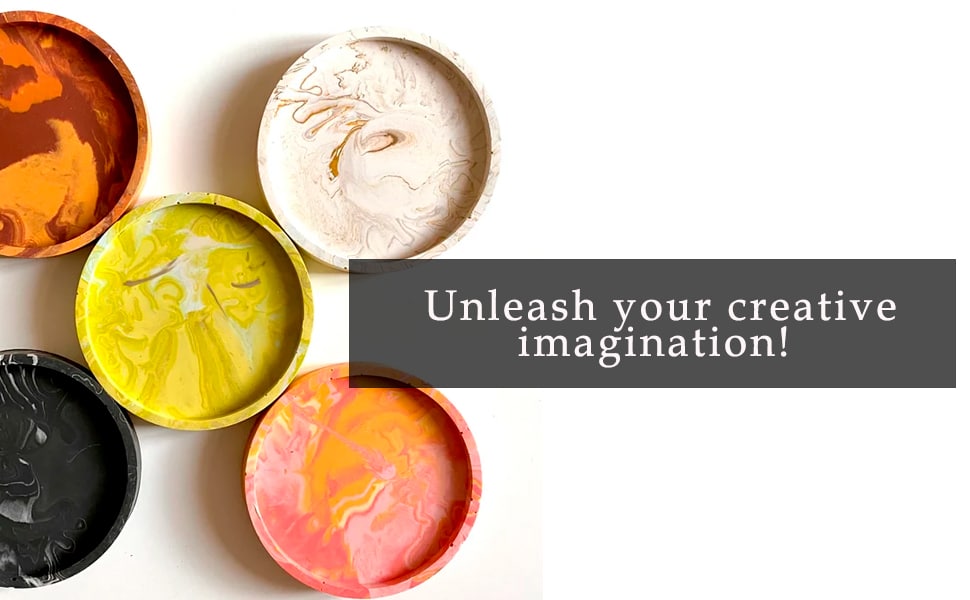
Before and After: Thinned vs Non-Thinned Resin Effects
Notice how thinned mineral resin flows smoothly into intricate moulds, while appropriate use of isopropyl alcohol unlocks creative surface finishes in epoxy art. Keep safety at the forefront and only thin resins according to proven methods for flawless, durable results.
- “NatuResin” – Mineral Resin & Water System for Creative Casting and CraftsPrice range: £17.85 through £99.85NatuResin is a water-mixed mineral resin designed for creative casting projects, providing ceramic-like hardness in a safe, solvent-free formula.
- Pure Isopropyl Alcohol 99.9% – 1000ml Bottle for Epoxy Resin Projects & DIYPrice range: £9.85 through £19.85Pure Isopropyl Alcohol 99.9% is suitable for epoxy resin projects and aids bubble removal and effect creation in resin mixtures.
Frequently Asked Questions
Can you thin resin with water?
Mineral-based resins like NatuResin are thinned and activated with water, but standard epoxy resins should not be thinned this way.
Does isopropyl alcohol thin resin?
Isopropyl alcohol is mainly for popping bubbles and adding effects on resin surfaces. It should not be used as a thinning agent mixed into the resin.
How can I thin resin for artistic effects?
For water-based resins, use water; for epoxy, carefully use isopropyl alcohol as a surface spray. Always follow the product's guidelines.
What are common mistakes when thinning resin?
Adding too much thinner or using unapproved chemicals can ruin your project. Excessive additives may cause poor curing and weak results.
Is acetone safe to thin all resins?
No, acetone is not recommended for most craft resins as it can interfere with curing and safety. Always use thinning agents approved by the resin manufacturer.
Why did my thinned resin not cure properly?
This usually happens if too much thinner is used or the wrong additive was chosen. Use the correct method for your specific resin type.