 Free shipping on orders over £29,85
  Shipping Tracking!


 Google
 Facebook
← Back to How do I choose driveable resin bound gravel?
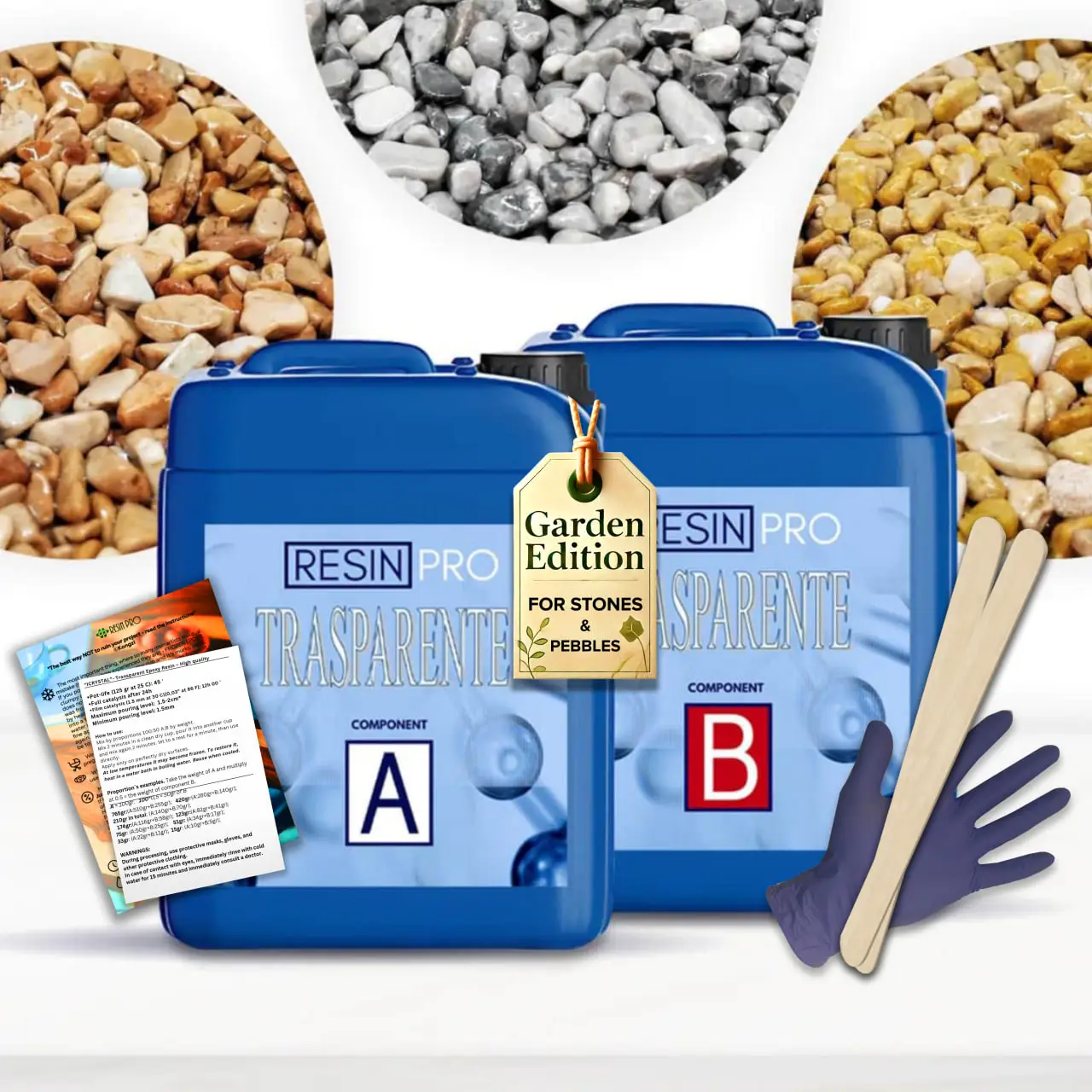
Choosing a certified non-toxic resin bound gravel system is essential if you’re looking to create attractive, long-lasting outdoor spaces while ensuring safety for people and pets. Here’s what to look for when considering non-toxicity for your driveways, paths, or patios.
What Does Certified Non-Toxic Mean?
Resins labelled as certified non-toxic are formulated to be safe for skin contact after curing, making them suitable for family homes and areas accessed by pets. The certification indicates that, when the resin system is fully set, there are no harmful emissions and no risk from everyday contact. This is especially important where children or animals frequently play or walk on the finished surface.
How to Choose the Right Non-Toxic Resin Binder
When selecting a resin for your gravel surfaces, look for products that explicitly state they are non-toxic after curing. For example, the “Trasparente” Epoxy Binder is certified non-toxic once cured and is safe for skin contact—ideal for permeable pebble floors in family environments.
- Read product information to ensure non-toxic certification is listed.
- Ensure proper curing by following application guidelines, as safety is guaranteed only after the resin has fully set.
- Opt for kits or binders from reputable suppliers who provide clear details on safe use, such as the “Flowstone” complete kit or “Polirock” binder for white stones.
When This Matters Most
Prioritising non-toxic, certified resins is particularly important for driveways, play areas, or paths where children, pets, or wildlife are present. It’s also a key consideration for DIYers looking for safe, easy-to-handle materials without hazardous emissions once installation is complete.
Related products
Related guides
Understanding certified non-toxic options helps you make informed, safe choices when selecting resin bound gravel for your driveable surfaces. For more detailed advice, visit our guide on choosing driveable resin bound gravel.