 Free shipping on orders over £29,85
  Shipping Tracking!


 Google
 Facebook
← Back to How do you use mold resin?
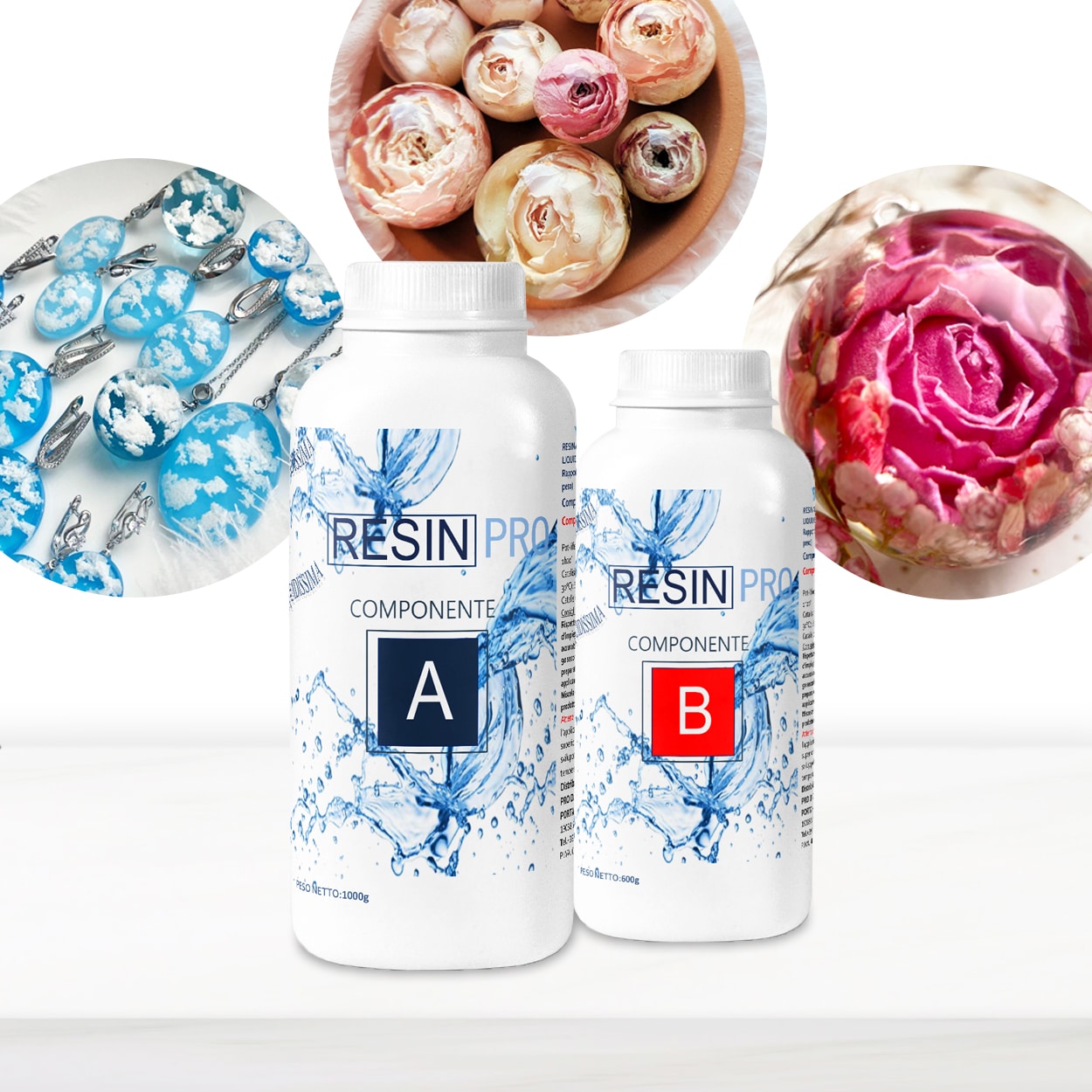
Choosing the right resin is essential for successful mould casting, whether you’re making jewellery, memory boxes, or decorative pieces. Selecting the best option depends on the results you want and the features of your project.
Understand Your Project’s Needs
Start by assessing your project’s size, the level of detail required, and your preferred pour depth. Fine detail and delicate shapes, such as those in resin jewellery or cabochons, benefit from low-viscosity resins that flow easily into small areas, minimising bubbles. For larger projects or those needing strength and thickness, like keepsake boxes or furniture inlays, consider a resin formulated for deep pours, such as anti-yellowing epoxy kits.
Selecting the Right Resin Type
For intricate or thin-layered creations, a product like Liquidissima epoxy resin offers high transparency, low viscosity, and a self-levelling finish that’s ideal for jewellery. When casting deeper layers—up to several centimetres—a complete kit, such as the Resin Memory Box Kit, is designed to reduce heat and prevent bubbles during thicker pours. Multi-purpose options like the Trasparente resin are well-suited for medium-depth art and woodworking projects, delivering a clear, scratch-resistant finish.
Practical Tips for Buying and Using Resin
- Match your resin’s maximum layer thickness to your project—avoid using ‘thin’ resins for deep pours to prevent overheating or cloudiness.
- For smooth, clear results, follow manufacturer guidance on mixing ratios and curing times.
- Avoid embedding untreated organic materials, such as fresh flowers, unless the resin instructions specifically allow it.
When This Matters
Getting your resin choice right makes a noticeable difference when clarity, bubble-free finishes, and accurate shape reproduction are vital—particularly for impressive jewellery, keepsake castings, or bespoke art pieces.
Related products
Related guides
By carefully matching resin properties to your creative vision, you set yourself up for beautiful, lasting results. For a step-by-step guide on working with resins, visit our main advice page on how to use mould resin.