 Free shipping on orders over £29,85
  Shipping Tracking!


 Google
 Facebook
← Back to What are the side effects of handling epoxy resin?
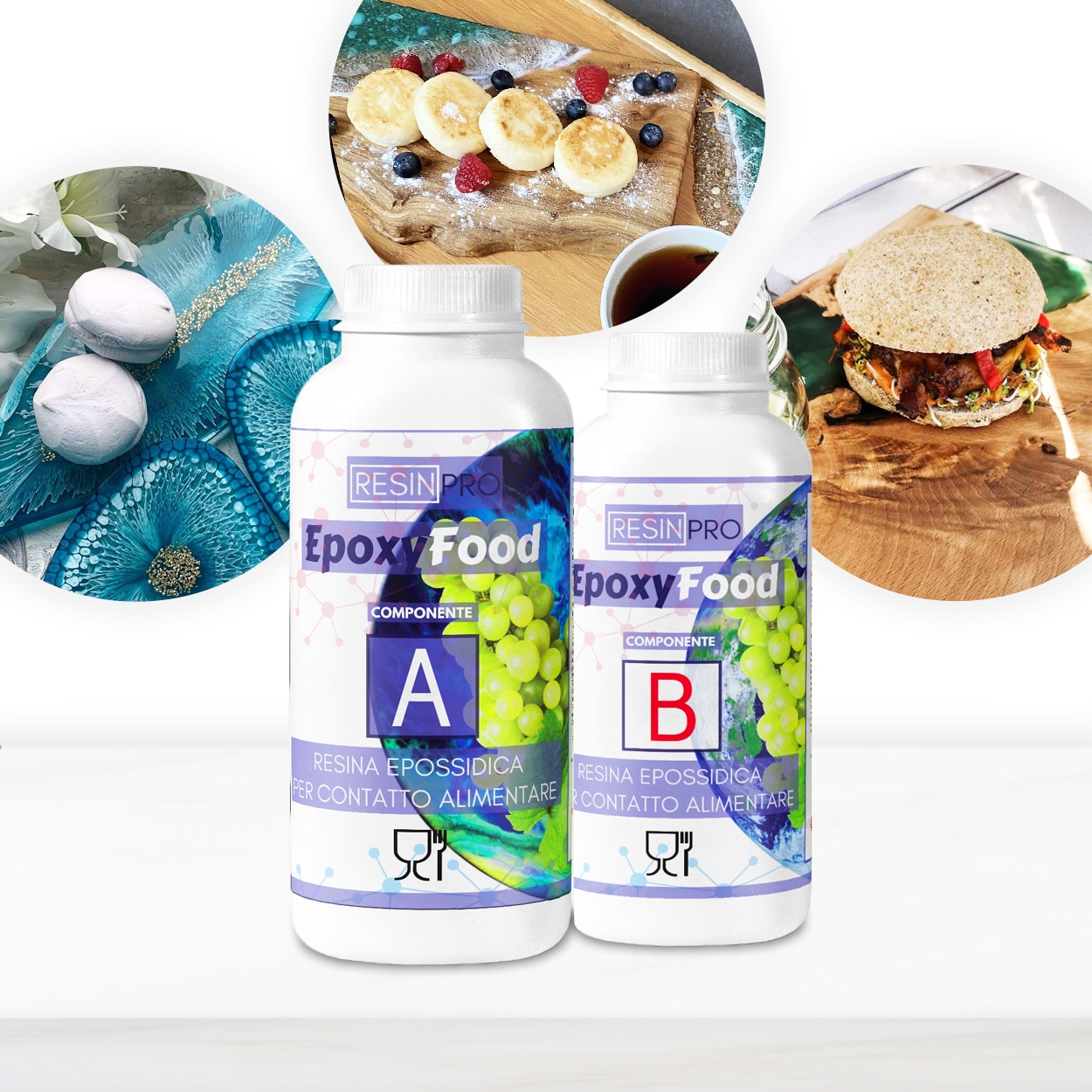

If you’re exploring safer alternatives for your resin projects, understanding the benefits of non-toxic and food-safe epoxies is a sensible place to begin. Here is what you need to know about these resins and their handling.
How Safer Are Non-Toxic and Food-Safe Resins?
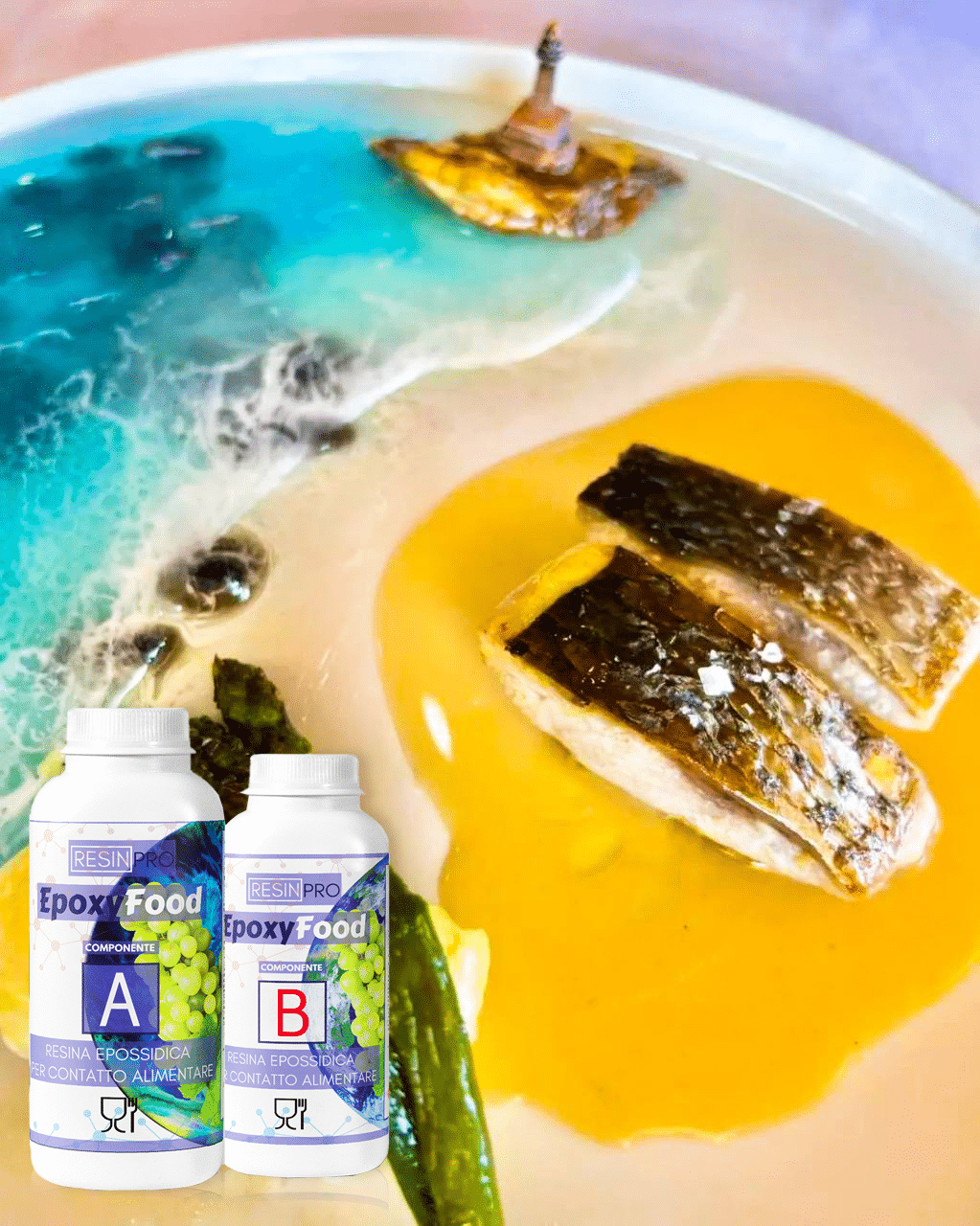
Certified non-toxic and food-safe resins are specially formulated to reduce risks associated with skin and respiratory exposure. Choosing a resin like One-2-One Epoxy Resin can help minimise fumes and irritation, making the crafting process more comfortable. Food-safe options such as EpoxyFood are independently tested to ensure suitability for surfaces in contact with cold foods and drinks.

Practical Tips for Safe Epoxy Handling
While safer resins offer benefits, standard protective measures remain important. Always wear high-quality gloves such as nitrile gloves to prevent contact and potential sensitisation. Ensure your workspace is well ventilated to further reduce inhalation risks. Read product instructions carefully, particularly when preparing food-safe surfaces, as proper mixing and curing are essential for maintaining the resin’s certified status.
When This Matters Most
If you are creating resin-coated kitchenware, children’s projects, or items for regular handling, opting for non-toxic or food-safe resins is especially important. They provide extra peace of mind for environments where health and everyday use are priorities.

Related products
Related guides
Non-toxic and food-safe resins present safer solutions when handled with basic precautions. For more information on safety and handling, visit our main guide on epoxy resin side effects.