 Free shipping on orders over £29,85
  Shipping Tracking!


 Google
 Facebook
What are the side effects of handling epoxy resin?
Understand potential health risks and safer product options for resin use

Handling epoxy resin is common among artists, crafters, and professionals working on projects involving jewellery, coatings, or food-safe surfaces. This page explains the possible side effects of direct contact with epoxy resin, who is at greatest risk, and which products can reduce hazards, helping you make informed choices for a safer and more enjoyable crafting experience.
Key Side Effects and Comparison of Solutions
Epoxy resins are versatile materials used in creative and industrial settings, but improper handling can lead to side effects such as skin irritation, allergic reactions, and respiratory issues. The degree of potential risk depends on the resin formulation, your handling habits, and protective measures used. Choosing non-toxic, certified, or natural-formulation products, along with appropriate protective gear, can drastically reduce these hazards.
Skin irritation and allergic reactions are the most common issues, especially if resin comes into direct contact with unprotected hands. Some resins can also emit odours or vapours before curing, potentially causing respiratory discomfort and odours in inadequately ventilated spaces. Selecting a food-safe or non-toxic resin, and using suitable cleaners, can further reduce the risk of adverse reactions.

Why protective measures matter for resin work
Direct skin contact with epoxy resin—even briefly—can cause sensitivity issues over time. Wearing barriers such as nitrile gloves limits exposure, and choosing low-odour or food-safe resins supports healthier indoor crafting. Good preparation protects both your health and your results.
Nitrile Gloves – 50 Pairs (100 Pieces): Your Essential Protective Barrier
Nitrile Gloves – 50 Pairs (100 Pieces) provide a critical defence against skin contact with epoxy chemicals. Offering excellent chemical resistance and flexibility, these gloves protect against irritation and potential allergic responses for both professionals and hobbyists. As a latex-free solution, they are also suitable for those with latex sensitivities. By wearing these gloves throughout the resin mixing, pouring, and cleaning processes, you reduce the risk of redness, dryness, and sensitisation from repeated exposure.
“EpoxyFood” – Certified Clear Food Contact Epoxy Resin for Coating
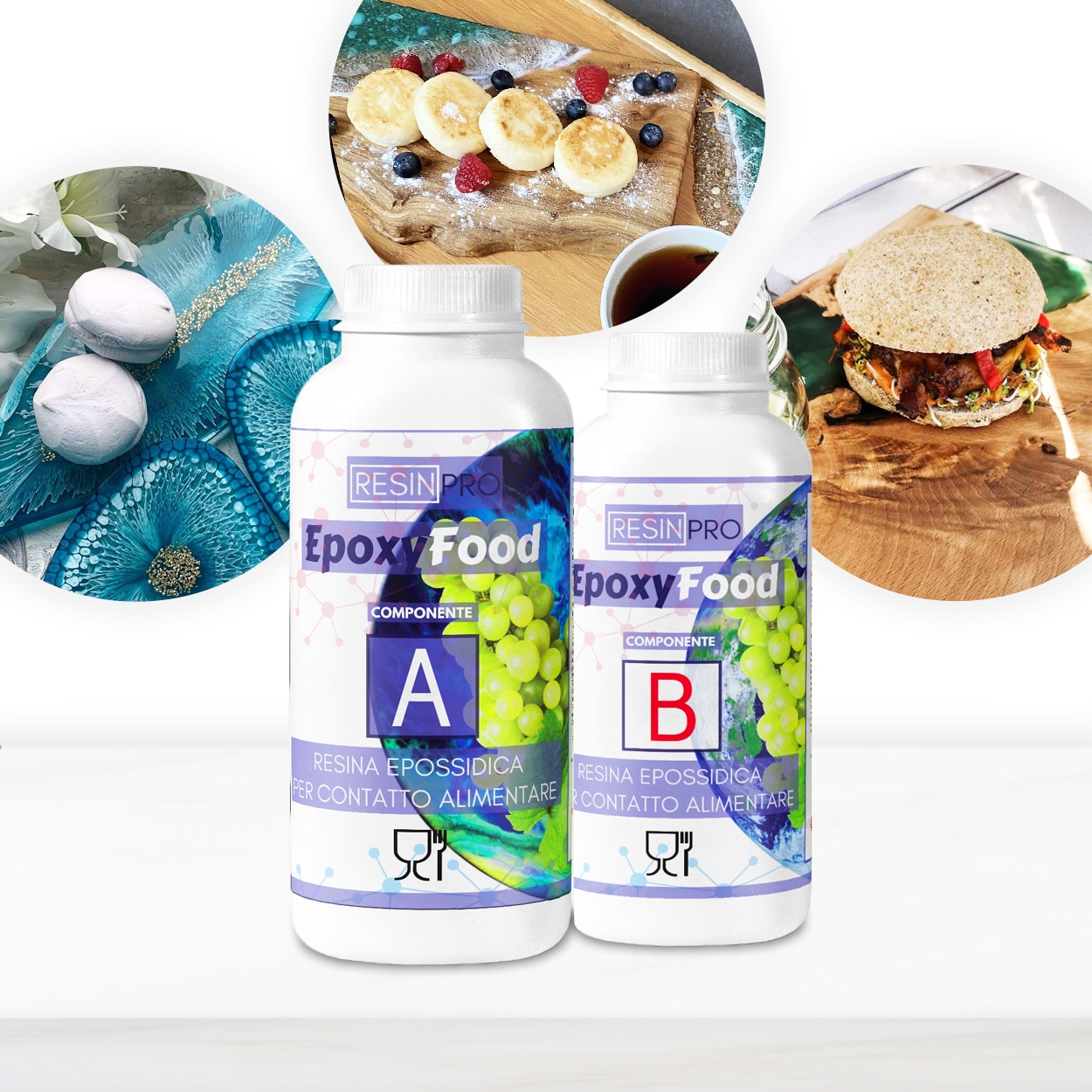
For kitchenware, displayware, or any resin application where food contact is a concern, “EpoxyFood” – Certified Clear Food Contact Epoxy Resin for Coating is a smart and safe choice. This non-toxic, odourless resin offers peace of mind during both handling and after curing thanks to independent food-safety certification. Its solvent-free formula means less risk of unwanted odours or fumes compared to conventional resins, and it is designed for comfortable indoor work. EpoxyFood’s clear finish is ideal for those seeking minimal health risks alongside premium project quality.
Strong Technical Degreaser for Resin Projects – 100% Natural Formula
Strong Technical Degreaser for Resin Projects – 100% Natural Formula is designed to clean surfaces before, during, and after resin use—without introducing harsh chemicals that may worsen skin reactions. Its dermatologically tested, hypoallergenic formulation is suitable for regular use, and is effective on metals, ceramics, fabrics, and more. Maintaining clean surfaces is key to preventing residue build-up that can cause irritation, so opting for a skin-friendly degreaser supports safer project workflows.
“One-2-One” – Epoxy Resin for Handcraft, 1:1 Mixing Ratio: Safer for Beginners
Non-toxic and simple to use, “One-2-One” – Epoxy Resin for Handcraft, 1:1 Mixing Ratio reduces risk for new users and experienced artisans alike. Its easy-mix system and lower hazard profile make it suitable for those concerned about handling safety. Still, gloves and proper ventilation are always recommended. “One-2-One” offers an excellent balance between performance and health considerations, making it especially suited for home, classroom, or studio environments.
Safe Handling and Best Practices
Regardless of which resin or related product you choose, certain health-first habits are critical. Always use gloves, work in a well-ventilated area, and avoid skin or respiratory exposure to uncured resin. Clean up promptly with a gentle, plant-based degreaser to stop potential irritants from lingering on surfaces or tools. Opt for certified or non-toxic products when possible, and always follow the manufacturer’s guidance on mixing, curing, and disposal. These simple practices substantially reduce the risk of negative side effects, allowing you to focus on your creative process.
Tips for safer, more enjoyable resin crafting
Always wear protective gear, wash your hands thoroughly after handling resin, and air out your workspace. Select gentle cleaners for your skin and surfaces to keep reactions and long-term sensitivity to a minimum. Staying informed and cautious lets you enjoy resin art with peace of mind.

- Nitrile Gloves – 50 Pairs (100 Pieces)£9.45Nitrile Gloves – 50 Pairs are designed to provide chemical resistance and a latex-free option for safe resin handling.
- "EpoxyFood" – Certified Clear Food Contact Epoxy Resin for CoatingPrice range: £20.95 through £146.95EpoxyFood is a food-safe transparent resin designed for coating plates and cutting boards with clear, non-toxic finish.
 Strong Technical Degreaser for Resin Projects – 100% Natural FormulaOriginal price was: £10.95.£9.45Current price is: £9.45.Strong Technical Degreaser is a natural, gentle cleaner suitable for various surfaces commonly involved in epoxy resin projects.
 "One-2-One" – Epoxy Resin for Handcraft, 1:1 Mixing RatioPrice range: £15.95 through £59.95ONE-2-ONE epoxy resin has a non-toxic formulation and is suitable for beginners and experienced crafters in handcraft projects.
Frequently Asked Questions
Can epoxy resin cause skin irritation?
Yes, uncured epoxy resins can cause redness, itching, or allergic reactions when in contact with skin. Gloves and hygiene minimise this risk.
Why use nitrile gloves when working with resin?
Nitrile gloves create a strong barrier against epoxy chemicals, greatly reducing direct skin exposure and allergic potential.
Are non-toxic and food-safe resins safer to handle?
Yes, certified products are designed to pose reduced respiratory and skin hazards, though standard protective measures are still advised.
Is EpoxyFood suitable for surfaces that touch food?
EpoxyFood is independently certified for direct food contact when properly mixed and cured, making it safer for kitchenware.
Does using a natural degreaser reduce health risks?
Natural degreasers help clean up residue without introducing harsh chemicals, lowering the risk of irritation during or after resin work.
What about fumes or odours when using resin indoors?
Working with non-toxic or odourless resins and ensuring good ventilation reduces the likelihood of headaches or discomfort from vapours.