 Free shipping on orders over £29,85
  Shipping Tracking!


 Google
 Facebook
← Back to How harmful is resin?

Whether crafting homeware, decor, or functional kitchen items, selecting the right resin is essential if you are concerned about safety, toxicity, or food contact. Here’s how to choose better alternatives for your next project.
What Makes a Resin Safer or Non-Toxic?
Safer resins are designed to minimise exposure to harmful solvents, volatile organic compounds (VOCs), and irritants. Some new mineral-based or water-activated products, such as NatuResin, are free from solvents and VOCs, reducing risk both during handling and after curing. Look for options that clearly state “non-toxic” or “solvent-free” and always use appropriate personal protection if the manufacturer recommends it.


Choosing Certified Food-Safe Resin Alternatives
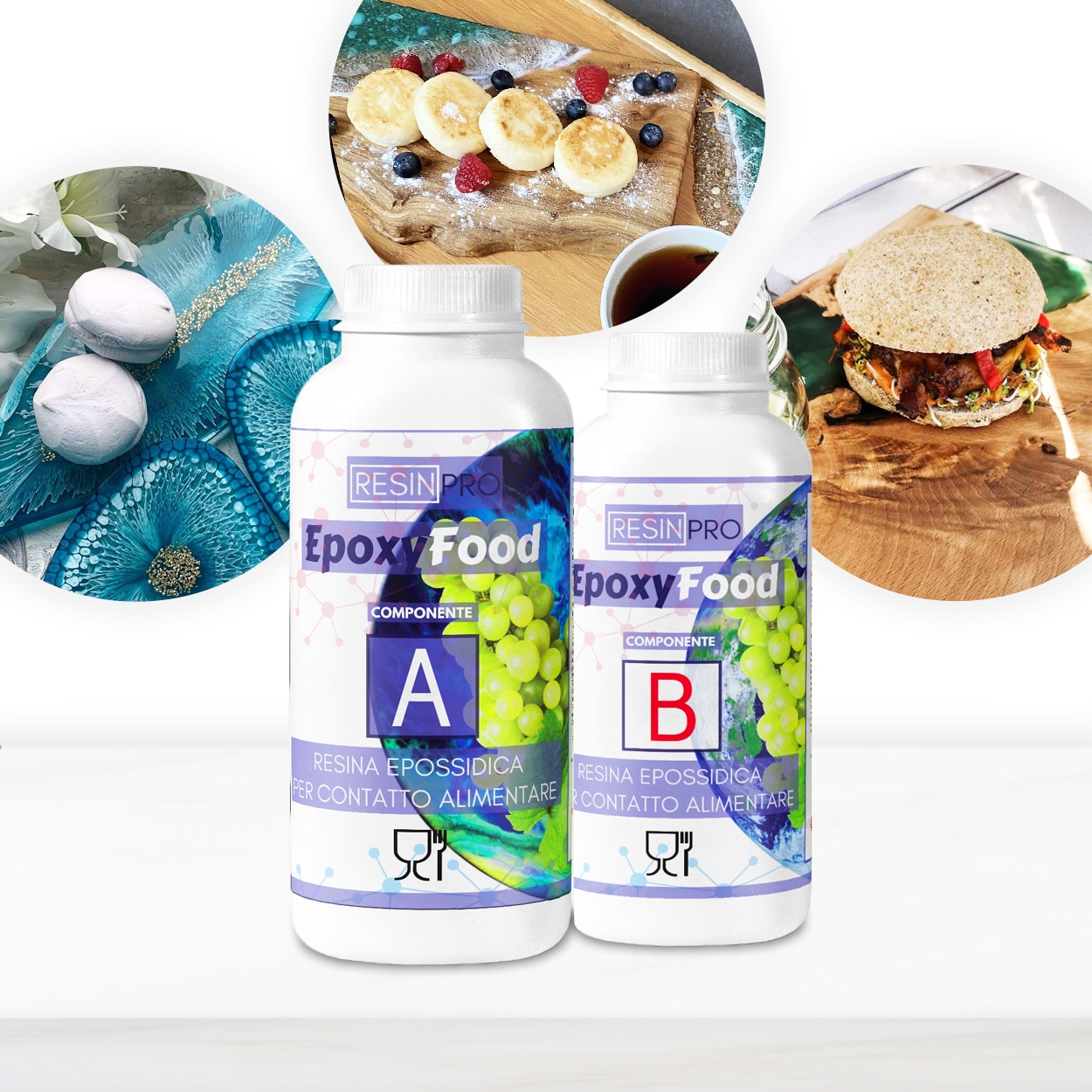
If your project involves contact with food—such as coating serving boards or bowls—choose a resin that is independently certified for food safety. “EpoxyFood” is formulated for safe cold food contact, odourless, and solvent-free when used as directed. Pay attention to certification, follow precise mixing guidelines, and allow full curing. Note that most food-safe epoxies are not intended for hot or alcoholic items unless explicitly stated.
When Food-Safe or Low-Toxic Options Matter Most
- Kitchens and dining surfaces: Any items exposed to food, particularly trays, plates, or boards, benefit from food-certified coatings.
- Children’s crafts or hobby projects: Non-toxic and easy-to-handle resins, like mineral-based systems, significantly reduce risk for family projects.
- Small indoor spaces: Low-VOC or solvent-free resins ensure safer air quality during application and curing.

Related products
Related guides
By focusing on certified and carefully formulated alternatives, you can enjoy resin creativity while reducing health concerns. For a deeper look at safety and other considerations, return to our main guide on resin harm.