 Free shipping on orders over £29,85
  Shipping Tracking!


 Google
 Facebook
How harmful is resin?
Understand resin health risks, safe usage, and protective solutions


Understanding the potential hazards of resin is crucial whether you are a hobbyist, artist, or professional working with epoxy, polyester, or new-generation mineral resins. This page explains the key health concerns, the different types of resin materials, and essential precautions to help you craft confidently and safely.
Overview: Resin Health Risks and Safety Differences
resin can pose various health risks if proper safety precautions are not followed. Hazards and recommended precautions vary depending on resin type. For example, epoxy and polyurethane resins may emit fumes that irritate the respiratory system or skin, while newer water-activated or food-certified resins significantly reduce such risks. Personal protection and material selection are both critical to ensure a safe and enjoyable experience.
The main health risks associated with resin involve inhalation of fumes, skin contact, and improper handling. Protective masks and specialised filters are recommended for solvent-based or classic resin work, while some modern mineral resins are safe enough to handle without gloves. Food-safe resins offer additional reassurance for items that will contact edibles, drastically reducing potential toxicity. Below you’ll find a summary of these differences and the best products to mitigate risks for your specific project.

Resin Types and Exposure Risks
Traditional resins, such as epoxy and polyester, may emit fumes during mixing and curing that can cause irritation to the eyes, skin, or lungs. Water-activated mineral resins and certified food-safe epoxies are formulated to minimise these risks, offering safer alternatives for sensitive individuals and indoor use. Selecting the right type of resin based on your workspace and intended application is the first step in ensuring personal safety.
“Climax” Mask with “ABEK” Filters for Resins – Certified Protective Respirator
Working with traditional resins, especially those containing solvents or which emit vapours, calls for respiratory protection. The “Climax” Mask with “ABEK” Filters for Resins – Certified Protective Respirator is a CE-certified half-face mask designed specifically for resin workers. This mask fits comfortably and creates an airtight seal, guarding against organic and inorganic gases, dust, and fumes encountered during resin mixing and pouring. Its advanced exhalation valve makes breathing easier throughout long crafting sessions. Recommended for resin artists, hobbyists, and professionals, this respirator helps reduce the risk of respiratory harm.
“Abek Climax” – Mask Filters for 755/756/732-A1
If you already have a compatible mask, the “Abek Climax” – Mask Filters for 755/756/732-A1 – Epoxy Resin Use, Set of 2 are purpose-designed for resin work. Suitable for use with mask models 755, 756, and 732-A1, they offer reliable protection against organic gases, vapours, dust, and mist commonly produced by epoxy, polyurethane, and polyester resins. Regular replacement of filters is important to maintain peak protection, particularly in environments with prolonged resin exposure.
“EpoxyFood” – Certified Clear Food Contact Epoxy Resin for Coating
For projects where safe contact with food is essential, “EpoxyFood” – Certified Clear Food Contact Epoxy Resin for Coating ensures peace of mind. This resin is independently certified for use with plates, boards, and similar items that may touch cold snacks or non-alcoholic beverages. The formulation is non-toxic, odourless, and solvent-free when used as directed, providing excellent clarity and UV stability. It is not suitable for hot or alcoholic items. For craft, art, or catering purposes, “EpoxyFood” is the go-to for a food-safe finish.
“NatuResin” – Mineral Resin & Water System for Creative Casting and Crafts
Concerns about chemical fumes or skin irritation have driven the development of alternative materials like “NatuResin” – Mineral Resin & Water System for Creative Casting and Crafts. This one-component mineral resin is activated with tap water and contains no solvents or VOCs, making it a safer choice for indoor projects. Gloves are not required for most uses, and the finished result is a durable, ceramic-like item. This makes NatuResin ideal for makers prioritising safety and environmental considerations, as well as those working in shared or poorly ventilated spaces.
Minimising Risk: Essential Safety Practices
choosing safer, non-toxic, and certified food-safe alternatives is the best approach to reduce risks. For traditional resins, prioritise good ventilation, use recommended personal protective equipment, and handle all chemicals according to instructions. New-generation and mineral resins reduce hazards, but basic hygiene and care are always encouraged. Always check your project requirements and select products, such as food-safe or VOC-free systems, to match your safety needs.
Protective Measures for Resin Work
Always use certified personal protective equipment such as masks, gloves, and appropriate clothing when working with chemical-based resins. When using non-toxic mineral resins, basic cleanliness and ventilation remain advised. Resin safety depends on both the product used and how you handle it — careful planning, correct PPE, and responsible material choices reduce the risks associated with resin craft.

- "Climax" Mask with "ABEK" Filters for Resins – Certified Protective RespiratorOriginal price was: £41.95.£31.45Current price is: £31.45.The "Climax" Mask with ABEK filters offers respiratory protection designed for work with resin vapours and gases.
- "Abek Climax" – Mask Filters for 755/756/732-A1 – Epoxy Resin Use, Set of 2£16.45Mask filters designed for epoxy resin use, suitable for mask models 755/756/732-A1, providing protection against organic gases and vapours.
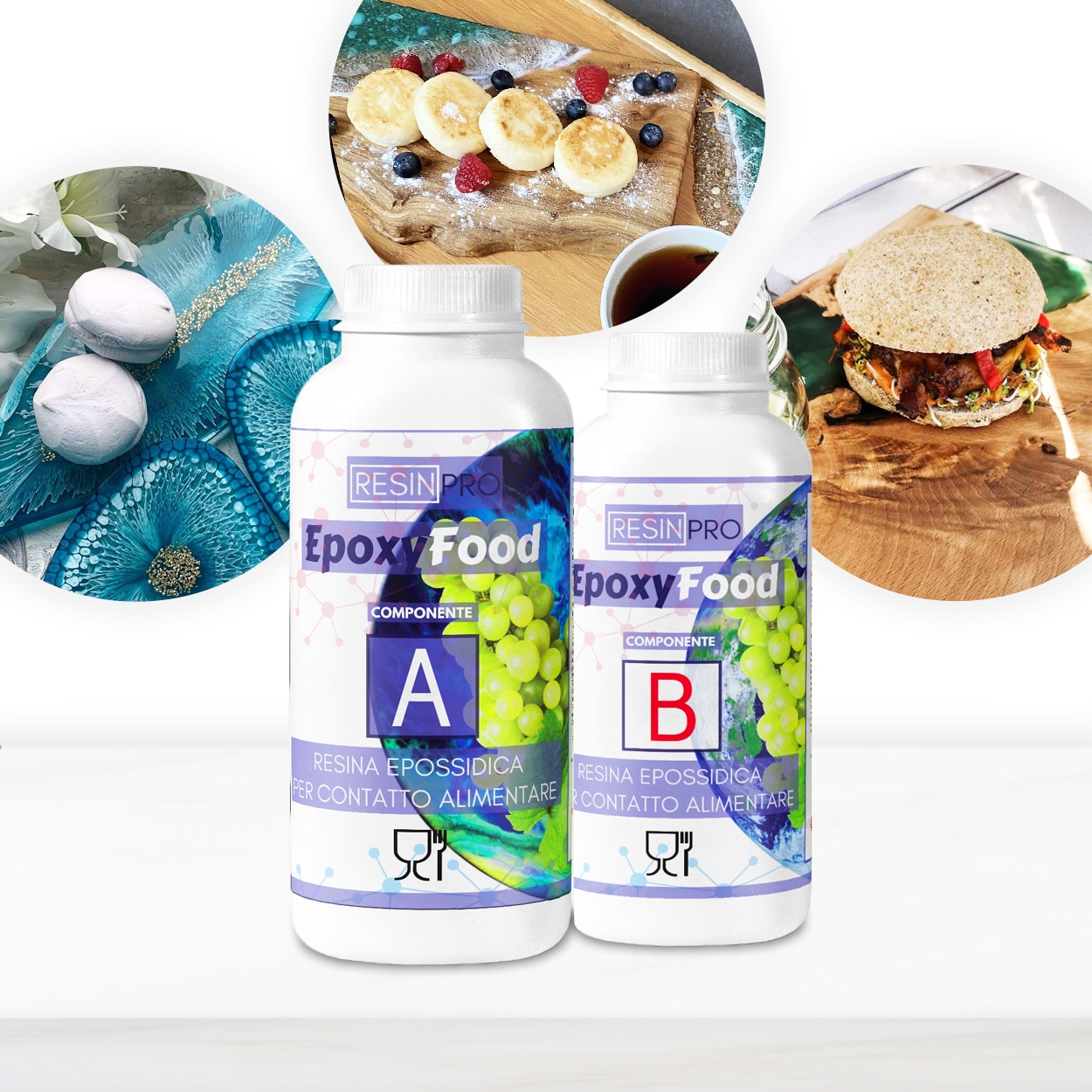 "EpoxyFood" – Certified Clear Food Contact Epoxy Resin for CoatingPrice range: £20.95 through £146.95"EpoxyFood" is a transparent resin designed for safe food contact coating projects, offering clarity and suitable for cold snacks.
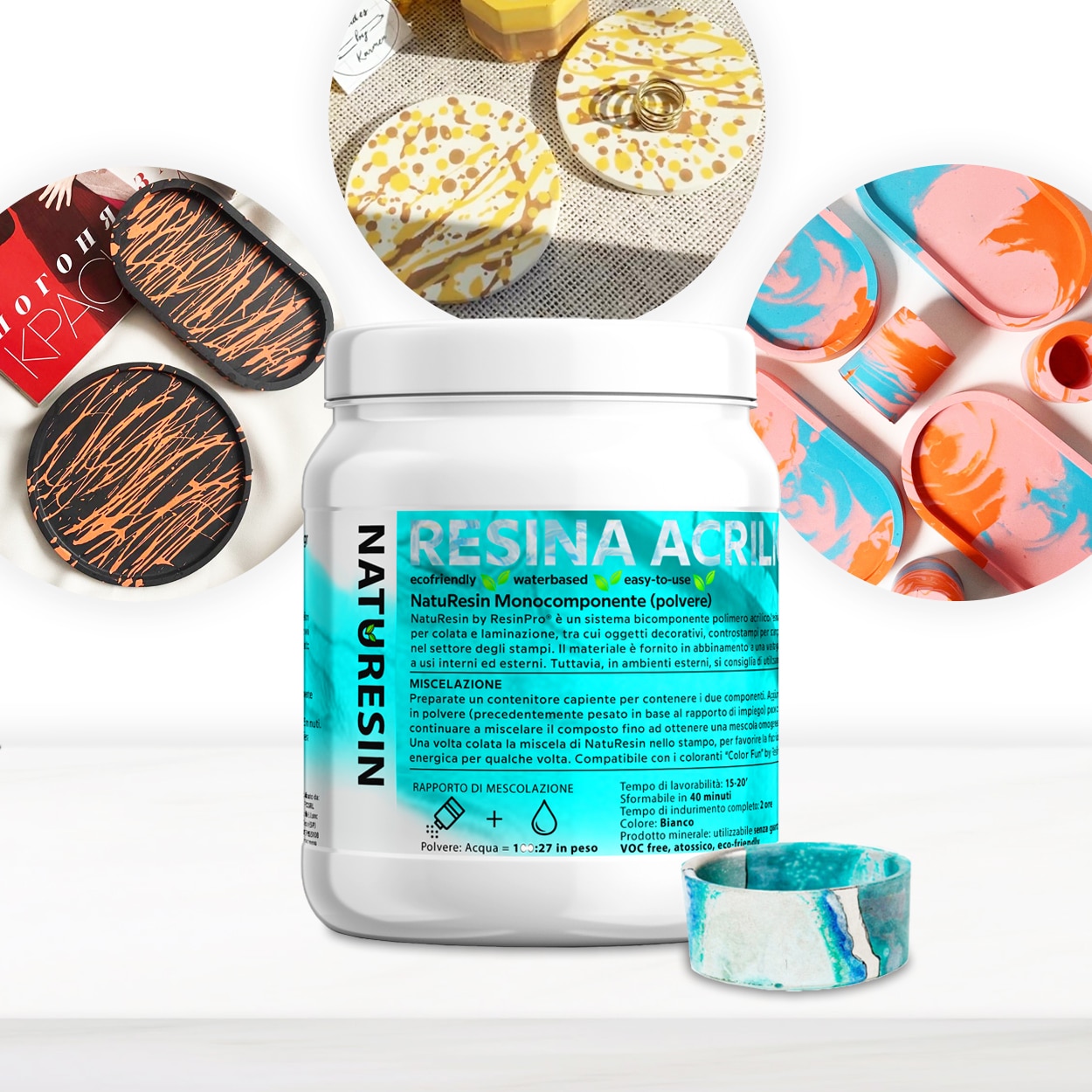 “NatuResin” – Mineral Resin & Water System for Creative Casting and CraftsPrice range: £18.95 through £104.95NatuResin is a water-activated mineral resin suitable for creative casting and crafts, designed for safe, eco-friendly use.
Frequently Asked Questions
Are resin fumes dangerous to breathe in?
Yes, inhaling resin fumes can cause irritation and long-term health effects. Always use protection and ensure good ventilation.
Is epoxy resin toxic to skin or food?
Uncured epoxy can irritate skin and is not food safe unless independently certified for such use.
What PPE is best for resin safety?
Certified respirator masks with specialist filters and gloves are strongly recommended for working with most resins.
Can I use resin for food contact items?
Only use resins that are independently certified as food safe, such as EpoxyFood, for items touching food.
Is mineral resin safer than epoxy systems?
Mineral resins like NatuResin are generally safer, being VOC-free and solvent-free, with minimal handling precautions needed.
How do I reduce health risks from resin?
Use correct protective equipment, work in a ventilated area, and choose non-toxic or certified resins where possible.