 Free shipping on orders over £29,85
  Shipping Tracking!


 Google
 Facebook
← Back to How do you thin resin?
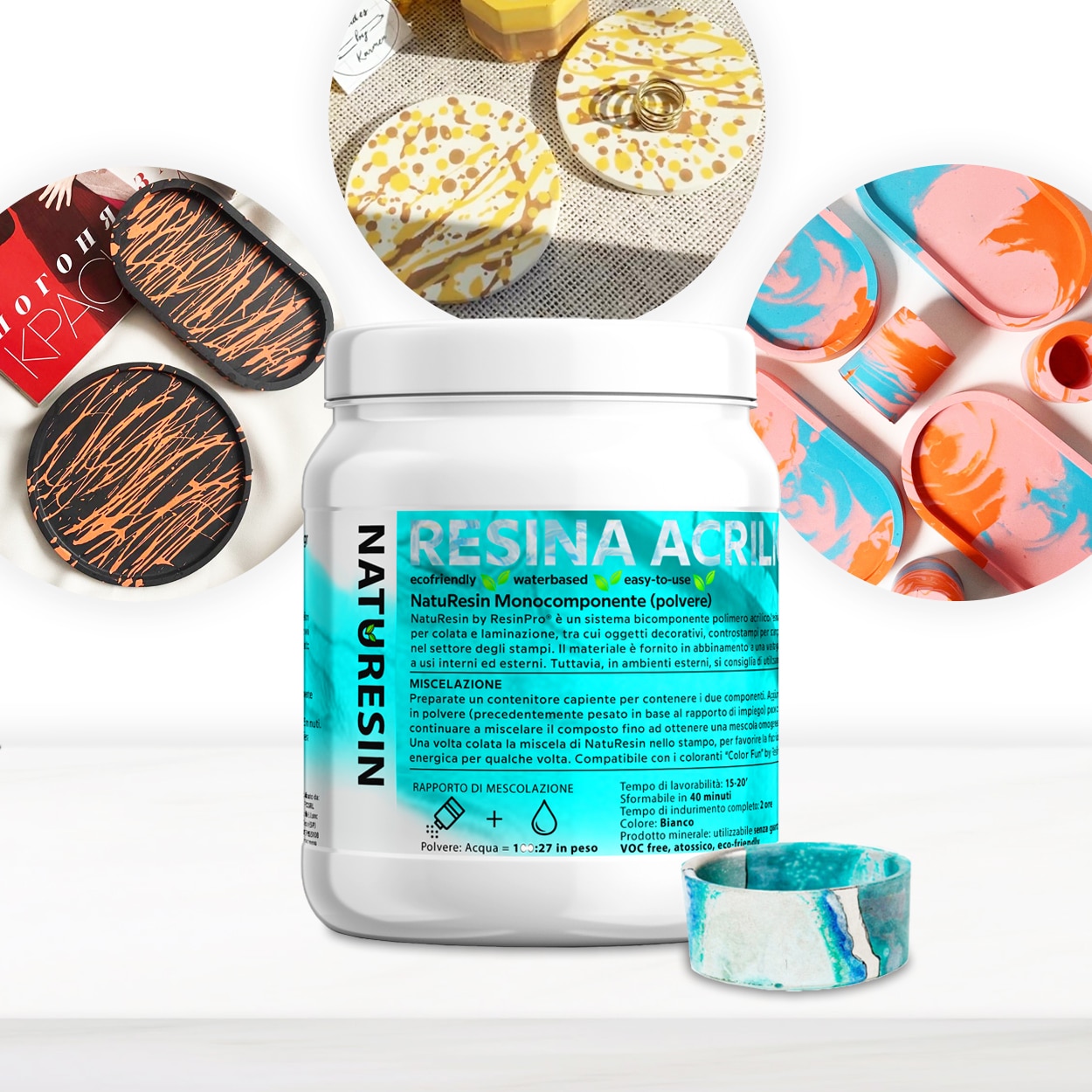
Thinning resin can make it easier to pour or achieve special artistic effects, but improper techniques often lead to disappointing results. Knowing what mistakes to avoid is just as important as knowing how to thin resin effectively.
Overusing Thinners or Unapproved Chemicals
One of the most common pitfalls is adding too much thinner or resorting to substances not explicitly approved for your resin type. Overdosing with thinners can hinder the curing process, leaving your project soft, sticky, or brittle. Some solvents might react negatively with the resin, resulting in cloudiness or poor bonding. Always follow the manufacturer’s guidelines and avoid using random household chemicals, which can pose both performance and safety risks.
Safe and Suitable Thinning Methods
Instead of guessing with additives, opt for resin systems designed for easy thinning, such as NatuResin, which only requires mixing with tap water. For epoxy resins, do not use isopropyl alcohol to thin before curing – it is better suited for removing bubbles on the resin surface or for cleaning tools. When in doubt, check your product’s instructions or contact the supplier for compatible thinning solutions.
When This Matters Most
Getting thinning right is crucial for applications demanding a clear, hard finish or intricate mould details. Whether you’re casting decorative pieces or coating artwork, avoiding rookie mistakes will help ensure your creations cure fully and last longer.
Related products
Related guides
Understanding the common mistakes in thinning resin ensures your casting or craft projects meet expectations. If you’re looking for safe and straightforward options, explore solutions recommended in our main guide on how to thin resin.