 Free shipping on orders over £29,85
  Shipping Tracking!


 Google
 Facebook
← Back to How to Build a Permeable Plaza for Urban Spaces
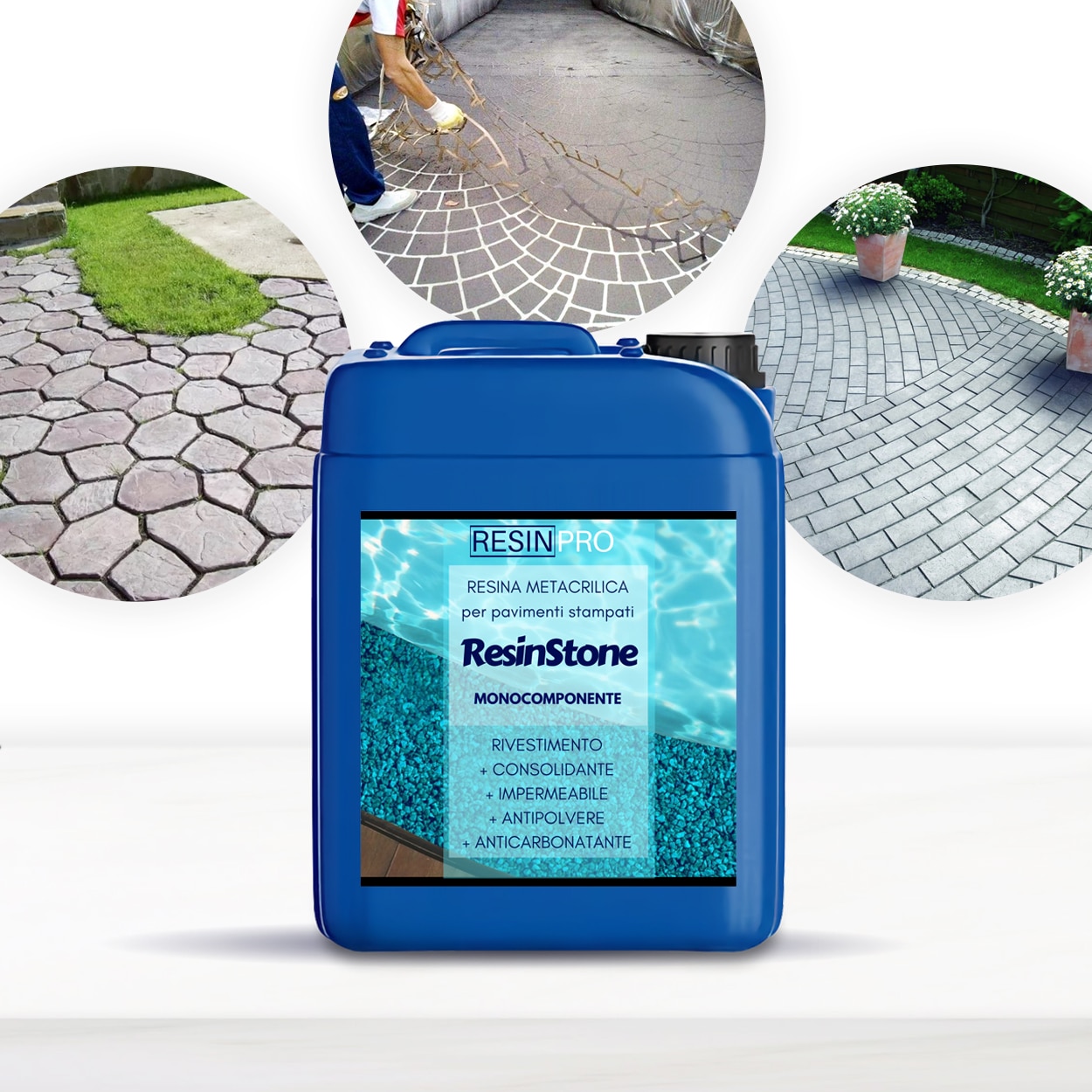
Preparing and sealing the concrete base is a crucial step when constructing a permeable plaza. Ensuring the base is sealed properly not only protects the concrete but also supports the longevity and permeability of the finished surface above.
Why Seal a Concrete Base in Permeable Plazas?
Sealing the concrete base serves two main purposes: it guards against moisture ingress that could undermine the substrate, and it creates a durable, stable foundation for resin-bound surfaces. For permeable designs, a breathable, waterproof sealer prevents trapped moisture while allowing water to pass through the finished surface, ensuring plaza longevity and reduced maintenance concerns.
Recommended Sealers and Application Tips
Specialist resins such as RESINSTONE provide deep capillary penetration and are designed for concrete. These one-component methacrylic resins offer waterproofing while remaining breathable, making them ideal for outdoor use in urban environments. Application is typically straightforward: make sure the concrete is fully set and free from dust or oils, then apply the resin according to instructions—often ready for use within 12 hours. For new concrete, RESINSTONE can be applied as soon as 8 hours after pouring for seamless integration.
When Does Concrete Base Sealing Matter Most?
Sealing is especially critical in outdoor or high-traffic urban spaces, such as plazas, where exposure to rain, frost, and urban use are ongoing. It is also essential if installing a resin-bound permeable surface, to protect both base and finish in the long term.
Related products
Related guides
Thoroughly sealing your concrete base is a foundation for success in any permeable plaza project. Thoughtful preparation ensures your finished surface stands up to weather and wear, aligning perfectly with principles covered in our guide on how to build a permeable plaza for urban spaces.