 Free shipping on orders over £29,85
  Shipping Tracking!


 Google
 Facebook
← Back to What are the main thermoplastic and thermosetting resins?
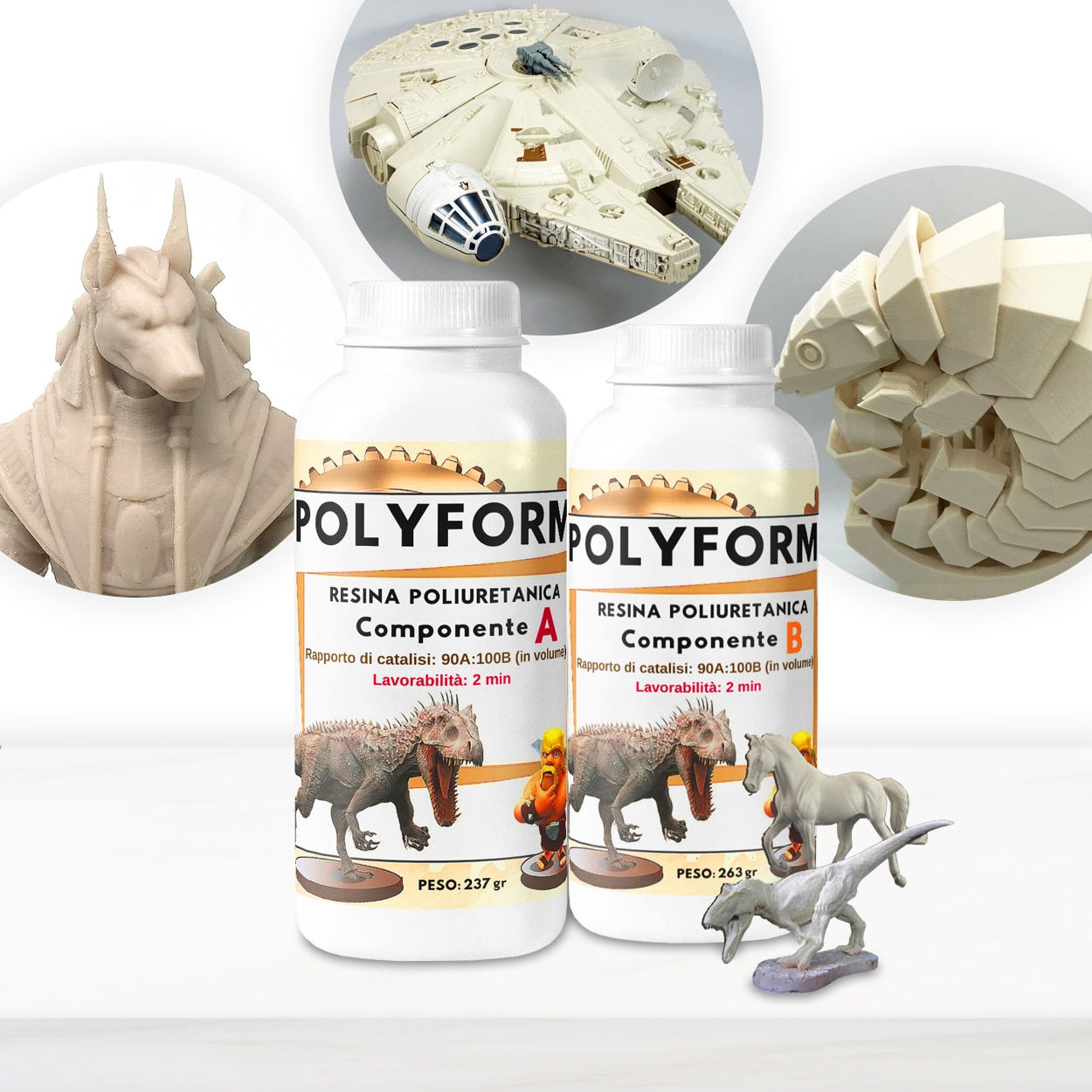
Understanding what to expect during the curing process is key to achieving great results with thermosetting resins. Here’s a concise guide to help you plan and troubleshoot your casting, coating, or moulding work.
How Long Does Curing Take?
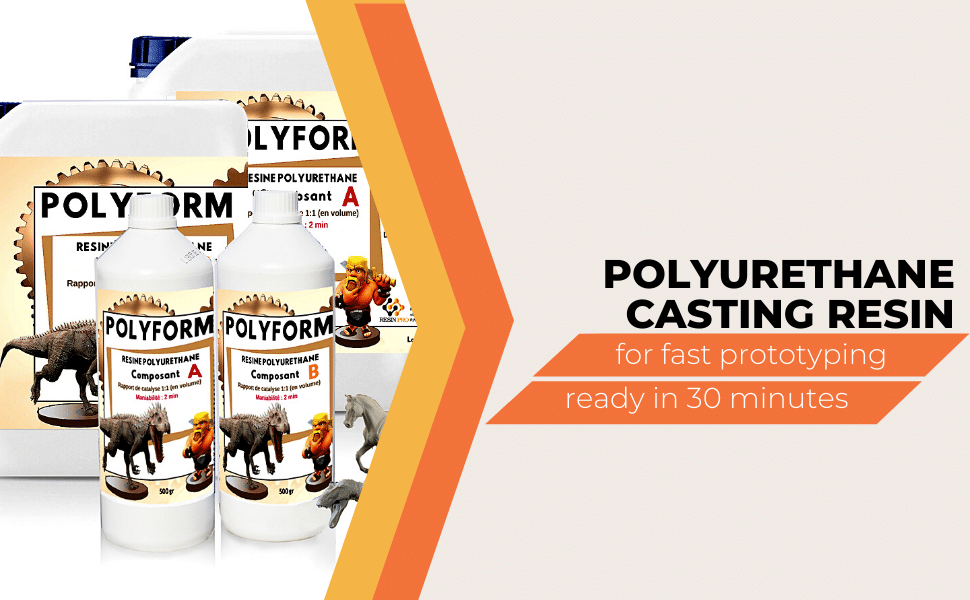
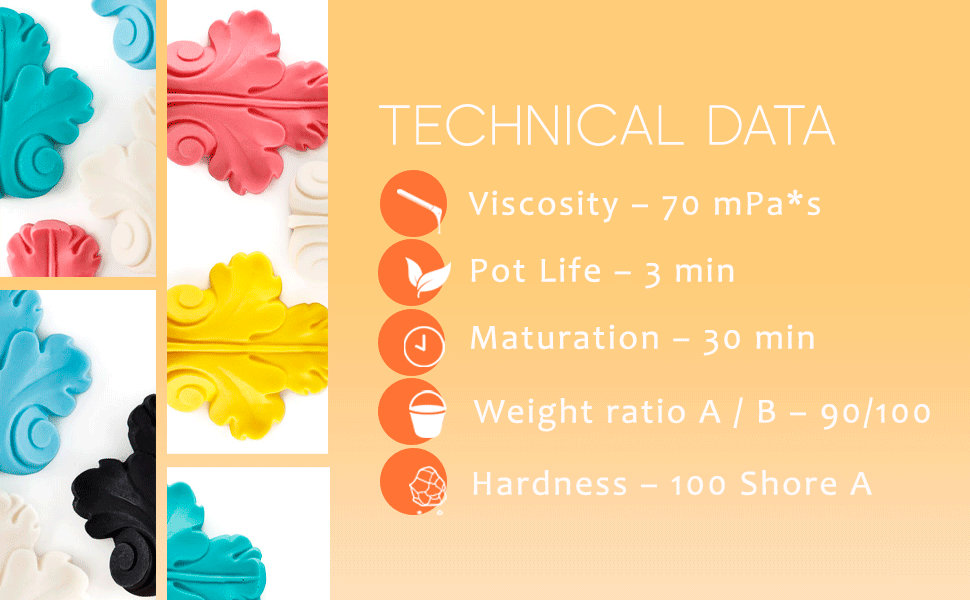
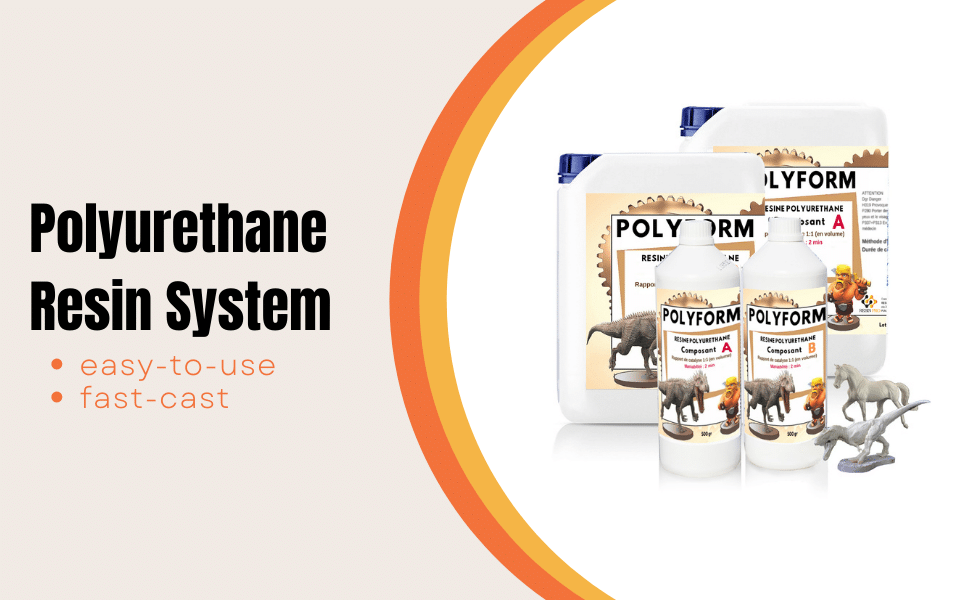
Curing time varies significantly depending on factors like resin type, temperature, mix ratio, and layer thickness. For example, a fast-setting resin such as Polyform typically sets within 5 minutes and can be de-moulded after about 30 minutes. Epoxy resins for deep pours may require several hours to several days, while silicone mould rubbers need anywhere from three to eight hours. Always consult your specific product’s instructions for guidance.
Factors That Affect Curing
- Temperature: Most thermosetting resins cure best between 18–25°C. Cooler environments may slow the process or cause incomplete curing. For example, Polyform should not be used below 8–10°C.
- Mix Ratios: Precise measurement of A and B components is essential. Incorrect ratios can lead to sticky or brittle results.
- Thickness & Mass: Large volumes of resin can generate extra heat, sometimes speeding up or causing uneven curing in deep projects.
- Mould Material: Silicone and other mould types will absorb and release heat differently, impacting the cure.
When Curing Expectations Matter
Getting the curing right is vital when producing prototypes, detailed castings, or functional parts. Quick curing is useful for rapid production, but patience pays off for large or intricate projects. Misjudging cure times can result in surface defects or compromised strength, so always plan accordingly.

Related products
Related guides
Knowing what to expect during curing allows you to choose the right thermosetting resin and work with confidence. Explore more about resin types and their properties in our hub on main thermoplastic and thermosetting resins.