 Free shipping on orders over £29,85
  Shipping Tracking!


 Google
 Facebook
← Back to How do you use silicone rubber molds and small molds?
Removing your cast from a silicone rubber mould can be a delicate step, especially when working with detailed or small designs. A careful approach is key to protecting your creation and extending your mould’s life.
Timing and Patience
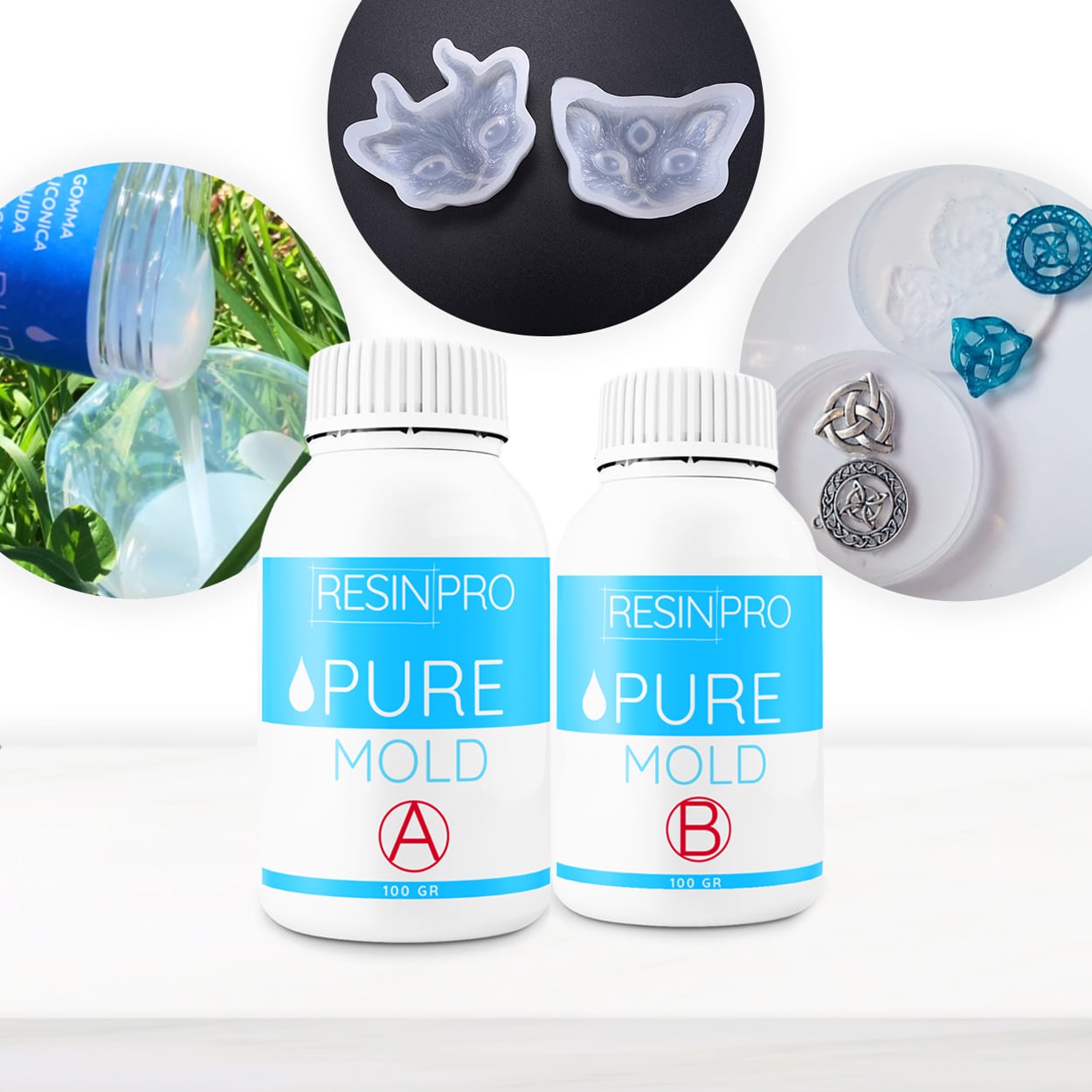
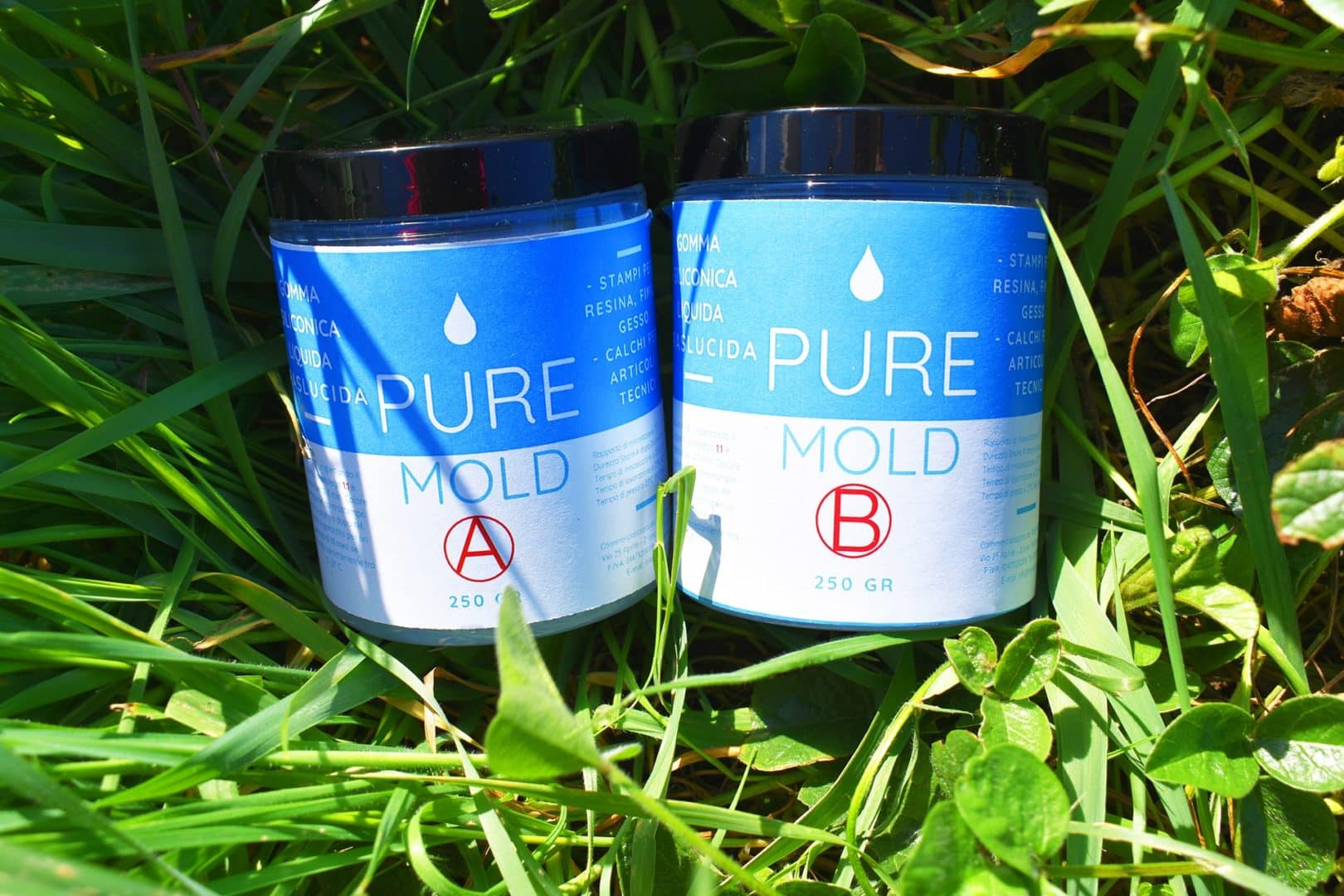
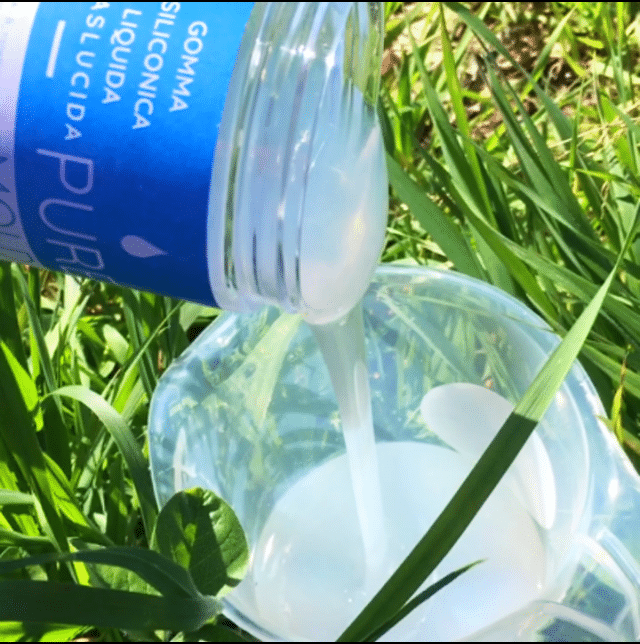
The most important part of safe demoulding is ensuring the casting material is fully cured. Rushing this stage can cause the cast to deform or break. If you feel any resistance or the cast seems soft, allow more time for curing. Always refer to the manufacturer’s recommended curing periods—many resins and silicones, such as the “Pure Mould” translucent liquid silicone rubber, offer a guide for ideal timing.
Gentle Techniques for Removal
Flex the mould gently from different sides instead of pulling directly on the cast. With soft silicone moulds, avoid using metal or sharp tools, as they can easily tear or mark both the mould and your cast. Instead, gentle pressure and gradual peeling often work best. For intricate items, a light roll with your fingertips around the mould edges can help release the object evenly.
When This Matters Most
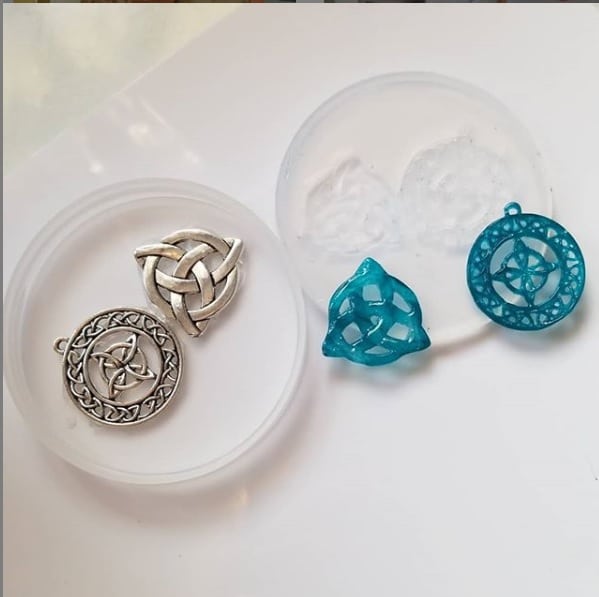
- When working with thin, delicate jewellery pieces using small silicone moulds like the “Three Drops” mould.
- For detailed decorator’s or commemorative casts where breakage would ruin the design.
- With new moulds that haven’t developed a release patina through repeated use.
Related products
Related guides
Mastering safe demoulding is essential for anyone using silicone rubber and small moulds. Good habits here mean less frustration and more flawless results—explore our main guide for further tips on getting the best from your moulding projects.