 Free shipping on orders over £29,85
  Shipping Tracking!


 Google
 Facebook
How do you use silicone rubber molds and small molds?
Step-by-step guidance for detailed, flawless casts every time.
Learn the essential steps and expert advice needed to achieve crisp, professional results when using silicone rubber moulds and small moulds. Whether you’re creating jewellery, custom keepsakes, or decorations, mastering the basics of mould use will help you produce flawless castings, avoid common pitfalls, and get the best from your materials and designs.
What You’ll Need
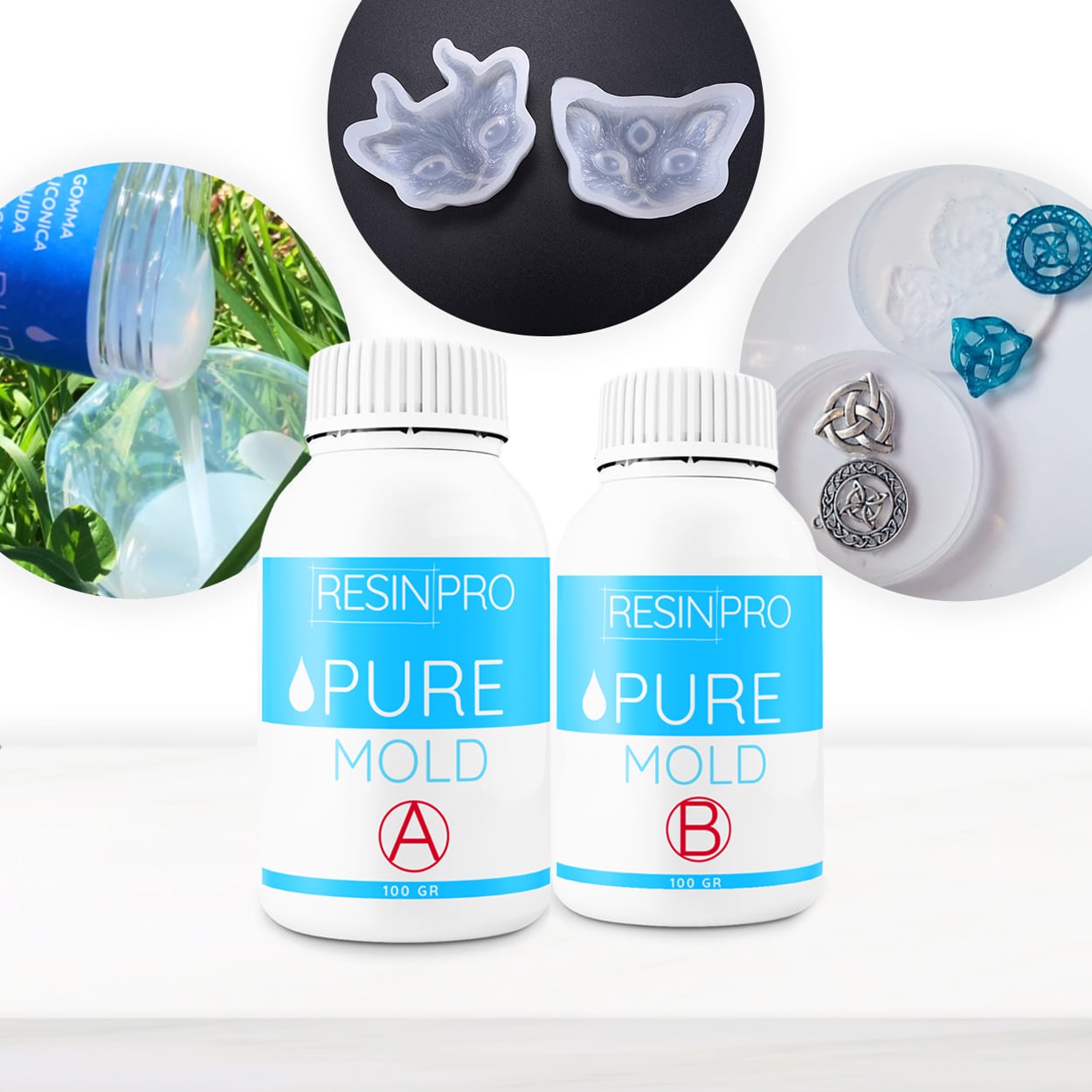
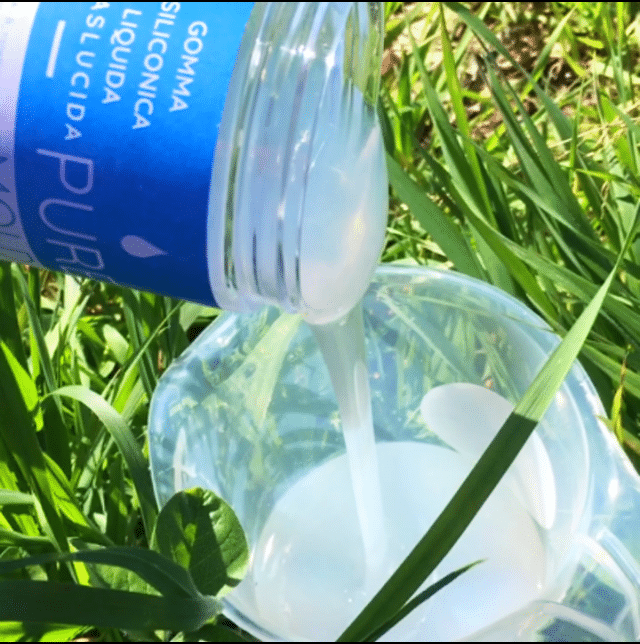
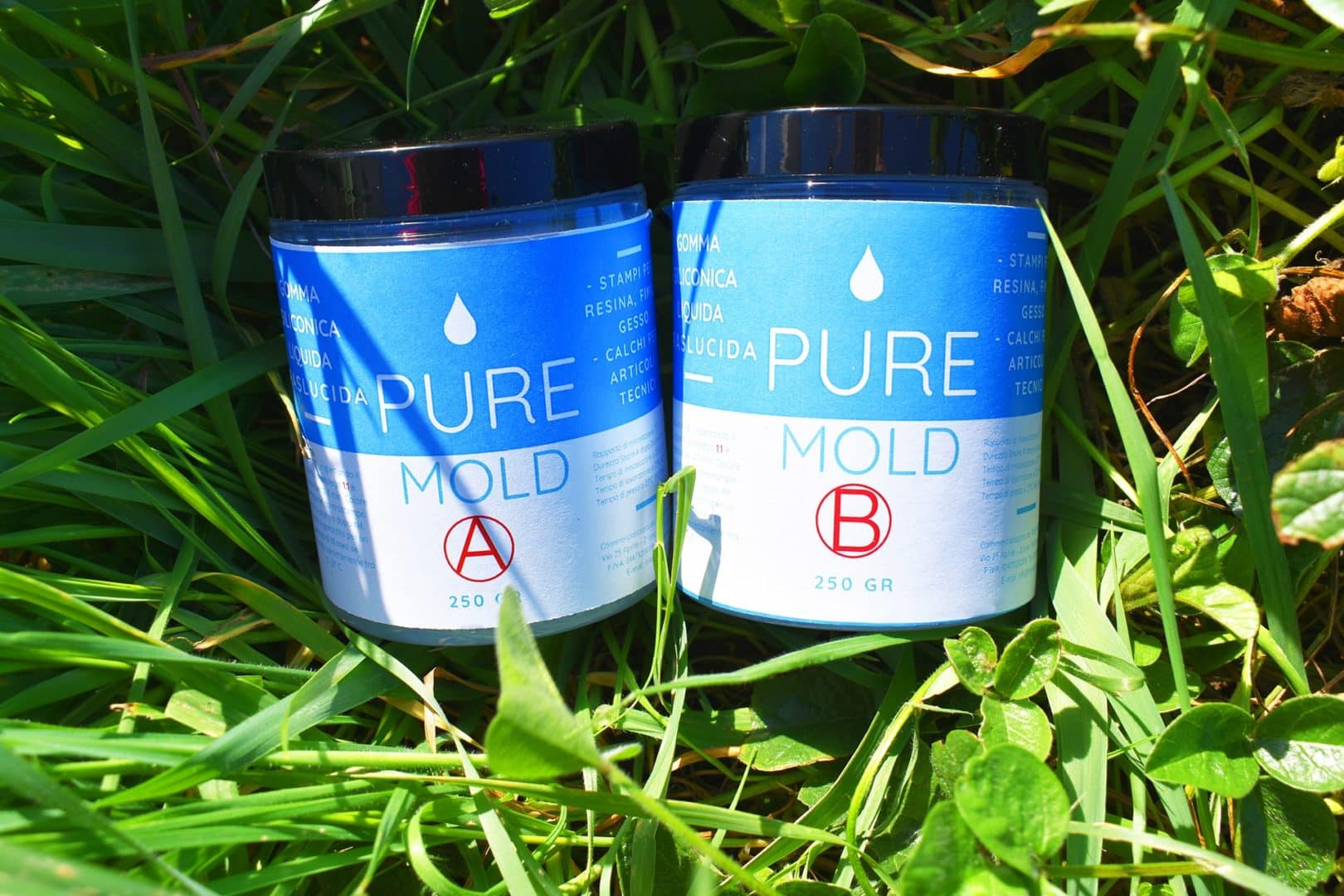
- “Pure Mould” – Translucent Liquid Silicone Rubber for Mould Making: For creating transparent, durable moulds compatible with many casting materials.
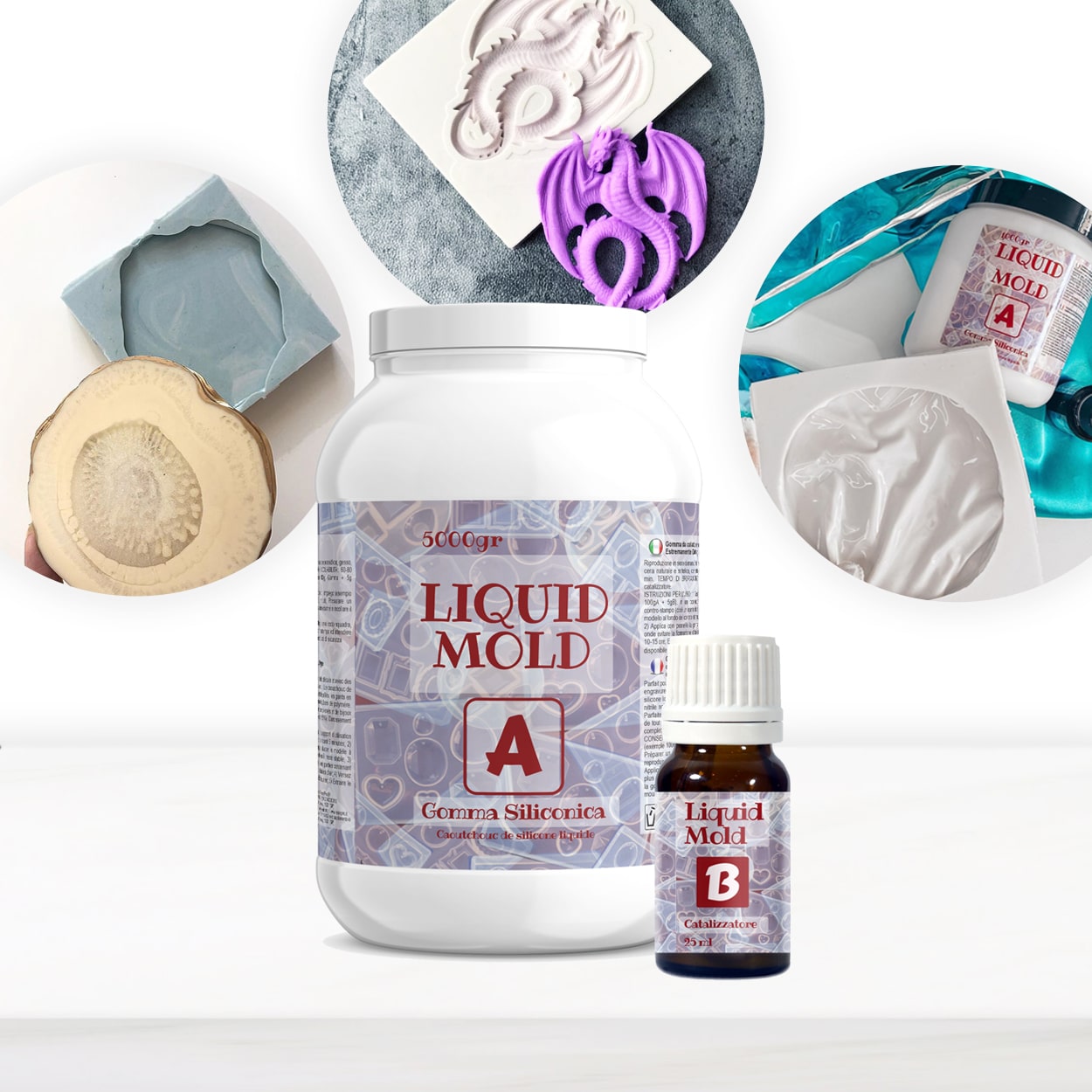
- “Liquid Mould” – Casting Liquid Silicone Rubber, 15 Shores 20.8 kg: For capturing ultra-fine detail in your moulds or small shapes.
- Resin Memory Box Complete Epoxy Resin Kit with Silicone Moulds – 3kg: A convenient kit for deep pours and keepsake projects.
- “Three Drops” – Silicone Mould for Jewellery and Decorations, 28x20mm: Ready-to-use mould for small, decorative castings.
- Protective gloves and a mixing spatula
- Mixing cups and a stable workspace
- Release agent (if recommended for your materials)
See How Mould Preparation Shapes Results
Thorough mould cleaning is the foundation of perfect castings. Whether you’re using new or reusable silicone moulds, proper preparation reduces defects and enhances detail transfer for each casting session.
Step 1: Prepare Your Workspace and Mould
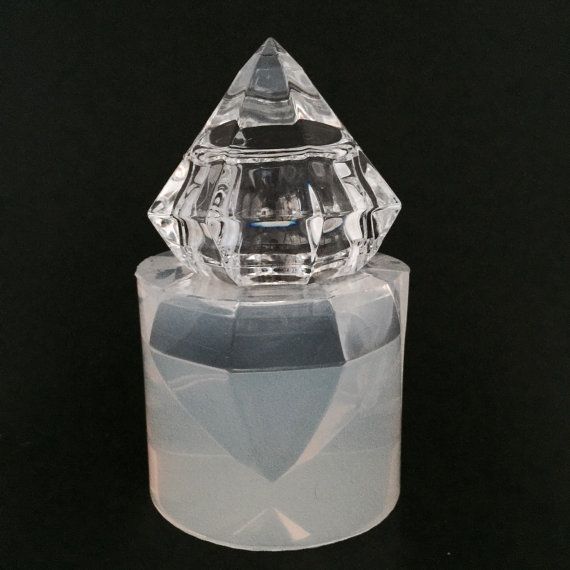
Begin by ensuring your workspace is clean, free of dust and well-ventilated. Thoroughly clean your moulds before use to remove any residue that could affect the final cast. For small or intricate silicone rubber moulds, gentle soap and water will suffice, but always allow them to dry completely before use. Applying a release agent can make demoulding easier, particularly for complex shapes or new moulds, though many silicone moulds are naturally non-stick. Always read the manufacturer’s instructions before mixing silicone.
Step 2: Mix and Pour the Silicone or Casting Material
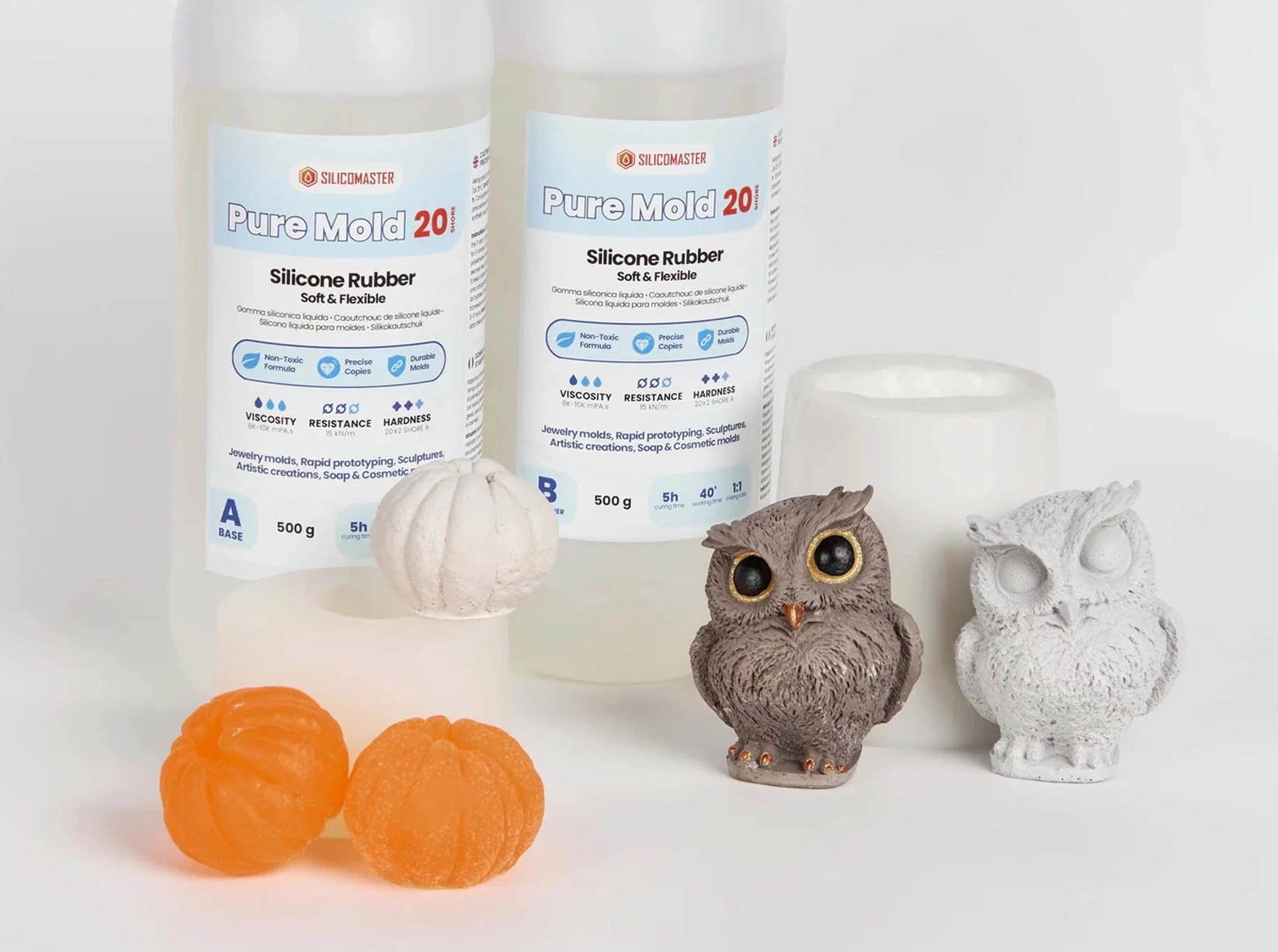
If you are creating your own silicone rubber mould, carefully measure and mix the two components as directed. For instance, “Pure Mould” – Translucent Liquid Silicone Rubber for Mould Making features a straightforward 1:1 mixing ratio, making it ideal for hobbyists and professionals alike. For highly detailed or complex items, “Liquid Mould” – Casting Liquid Silicone Rubber, 15 Shores 20.8 kg is designed to flow into tiny spaces and capture precise features.
When casting into an existing silicone rubber mould, thoroughly mix your resin or selected material, eliminating bubbles as much as possible. Ensure both mould and casting material are dry and clean before pouring. Pour slowly and from one corner, allowing air to escape naturally.
Step 3: Allow Proper Curing and Demould Carefully
Follow the recommended curing times for both your mould material and your casting resin or alternative material. Avoid disturbing the project while it sets. Each product, like those provided in the Resin Memory Box Complete Epoxy Resin Kit with Silicone Moulds – 3kg, will detail ideal demoulding times and conditions.
Patience is crucial when demoulding. Gently flex the mould to release your cast; if resistance is felt, allow more curing time. Never rush the demoulding process—patience prevents damage. Take particular care with detailed or thin areas; pressing or prying too soon could cause tearing.

Step 4: Finish and Care for Your Moulds and Casts
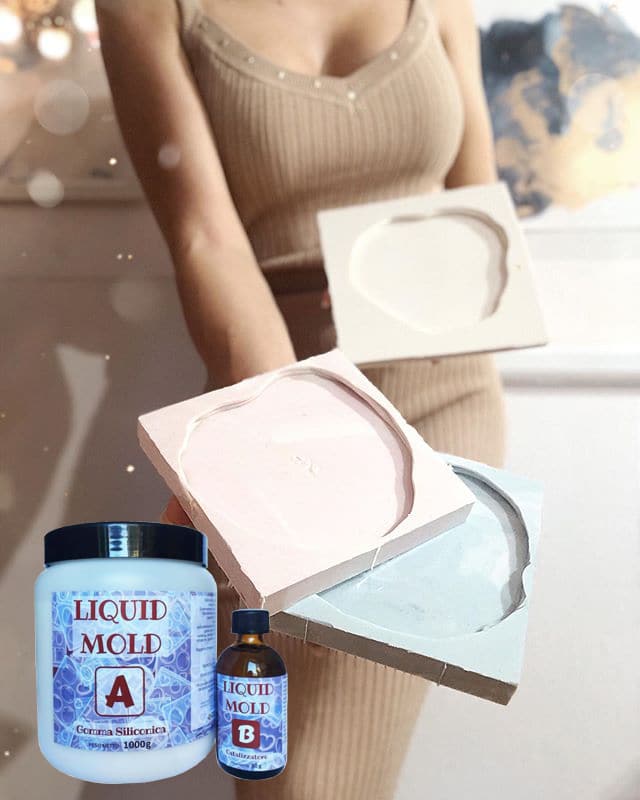
Once you have removed your casting from the mould, inspect it for any imperfections. Minor edges or flash can be trimmed with a sharp blade, but avoid using sharp tools when removing casts from soft silicone moulds. Clean your moulds with mild soap and water, and store them in a cool, dry place to maintain flexibility and longevity. Proper care ensures your moulds remain reusable for future creative projects, whether making resin jewellery or decorative gifts.
Tips and Common Mistakes to Avoid
Always work in a dust-free area to prevent particles from marring the surface of your cast. Avoid overfilling the mould as excess can create uneven backs or unnecessary trimming. For best results, leave the cast in the mould only as long as needed—excessive time can cause sticking or difficulty in removal. If unsure, consult your specific product’s instructions for temperature, mixing, and demoulding guidelines to avoid common issues and ensure repeatable, high-quality results every time.
Master Demoulding and Finishing Techniques
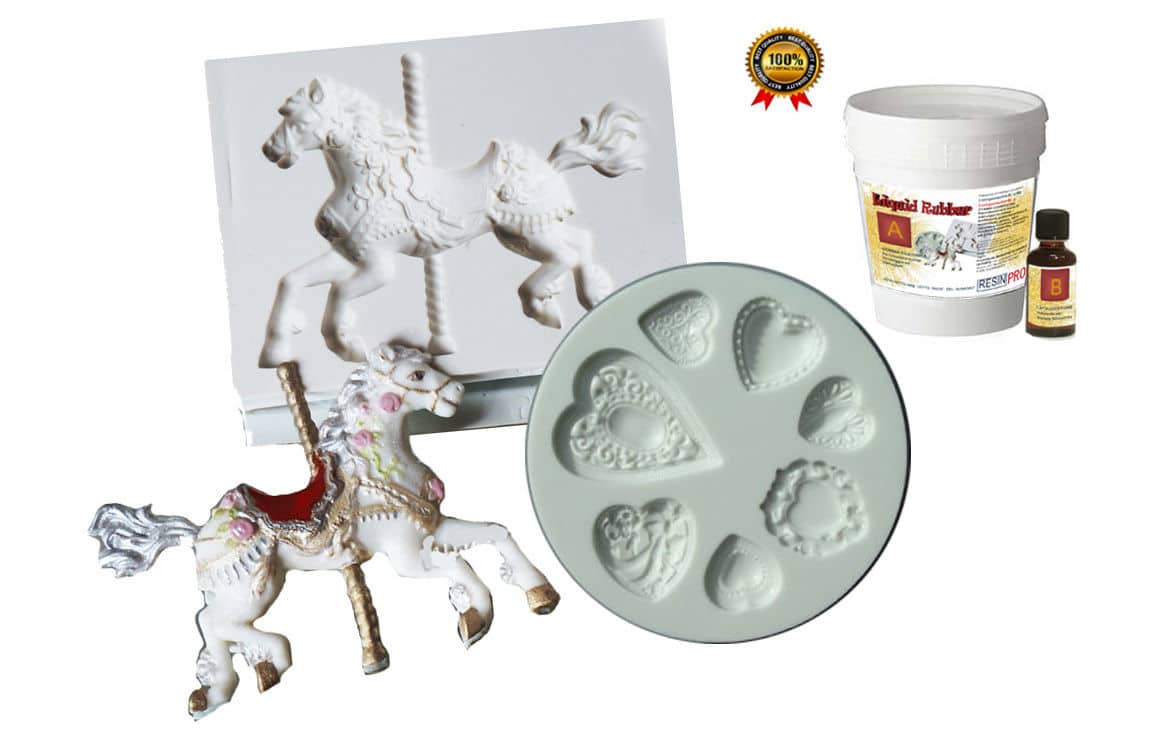
Gentle handling and patience during demoulding preserve the detail and integrity of your finished casts. Take extra time for small or intricate items to ensure flawless results every time.
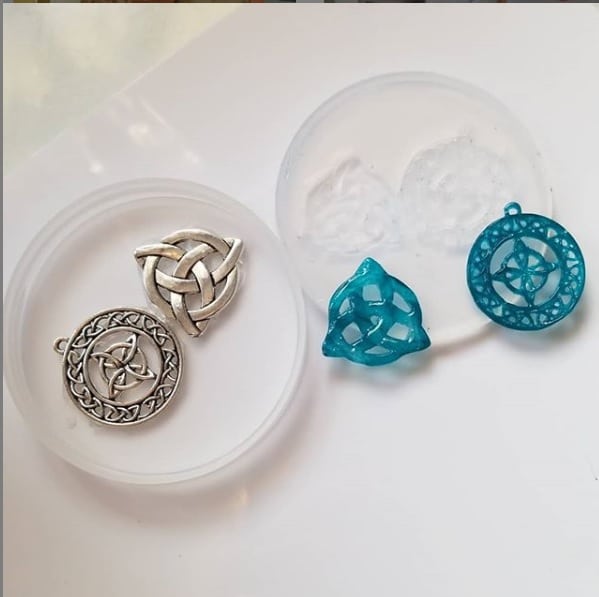
- "Pure Mould" – Translucent Liquid Silicone Rubber for Mould MakingPrice range: £23.95 through £166.95"Pure Mould" is a translucent liquid silicone rubber suitable for detailed mould making and compatible with resins, plaster, and cement.
- "Liquid Mould" – Casting Liquid Silicone Rubber, 15 Shores 20.8 kg£348.85"Liquid Mould" is a bi-component casting liquid silicone rubber suitable for making detailed small moulds and reproductions.
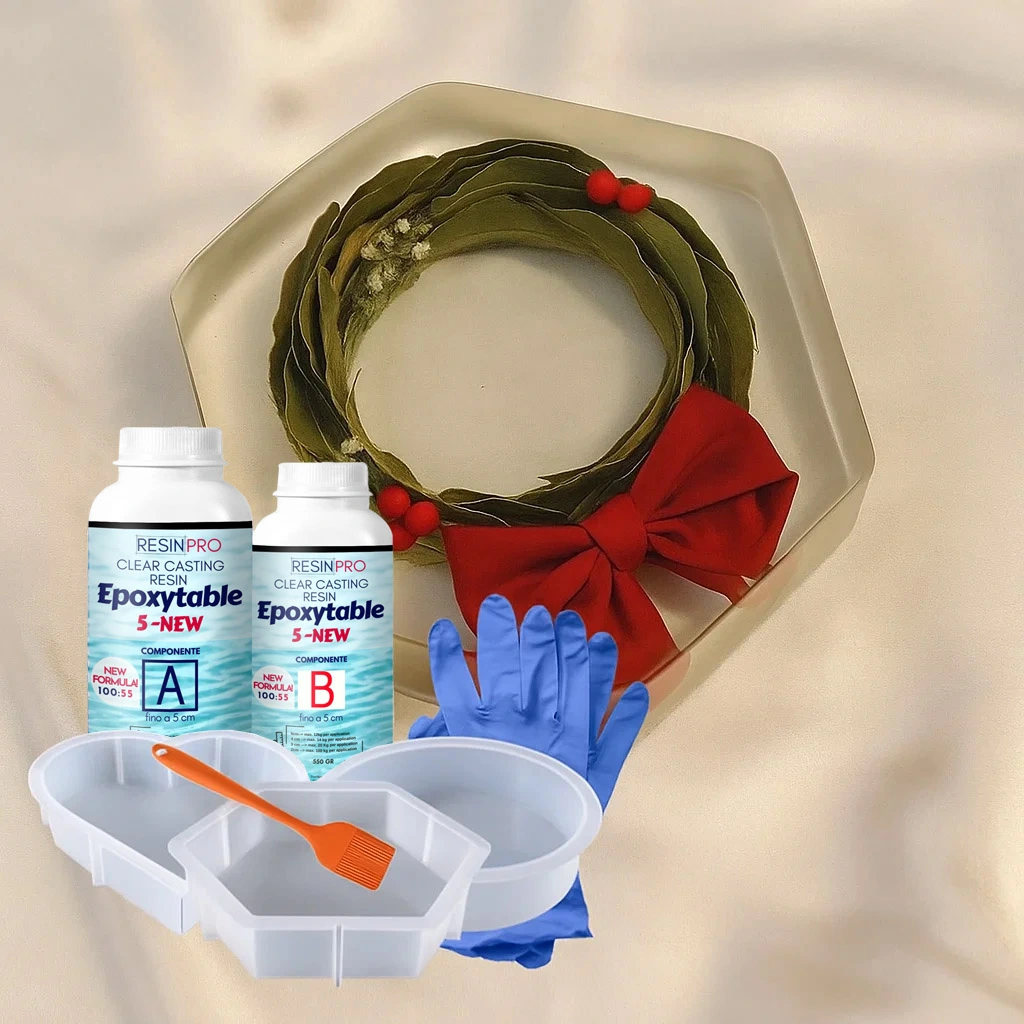 Resin Memory Box Complete Epoxy Resin Kit with Silicone Moulds – 3kg£65.95Resin Memory Box Kit includes reusable silicone moulds and epoxy resin designed for preserving dried floral arrangements.
 "Three Drops" – Silicone Mould for Jewellery and Decorations, 28x20mmOriginal price was: £7.95.£6.85Current price is: £6.85."Three Drops" silicone mould is designed for creating jewellery and decorations in small sizes. Suitable for various casting materials.
Frequently Asked Questions
Which type of silicone rubber should I use for intricate small moulds?
A translucent, dedicated silicone rubber such as Pure Mould or bi-component casting silicone is ideal for capturing fine detail in small moulds.
How do I safely demould without damaging the cast?
Wait for full curing and gently flex the mould; if you feel resistance, give more time. Avoid using sharp tools with soft silicone moulds.
Is using a mould release agent necessary with silicone rubber moulds?
Many silicone rubber moulds are naturally non-stick, but a release agent makes demoulding simpler, especially for new or complex moulds.
How long should I wait before removing resin casts from silicone moulds?
Always follow the resin manufacturer's recommended curing time. Removing too soon can cause distortion or incomplete hardening.
What are some frequent mistakes when casting in small silicone moulds?
Rushing the demoulding process, not mixing materials properly, and working in dusty environments are the most common mistakes to avoid.
How should I clean and store my silicone moulds after use?
Wash gently with mild soap and water, avoid aggressive solvents, and store in a cool, dry place to maintain their shape and flexibility.
Can silicone rubber moulds be used for food or edible projects?
Check that the silicone rubber is food-safe; otherwise, only use for non-edible crafts or decorations as outlined by the manufacturer.