 Free shipping on orders over £29,85
  Shipping Tracking!


 Google
 Facebook
← Back to How to make Sicily-shaped pendants in resin?
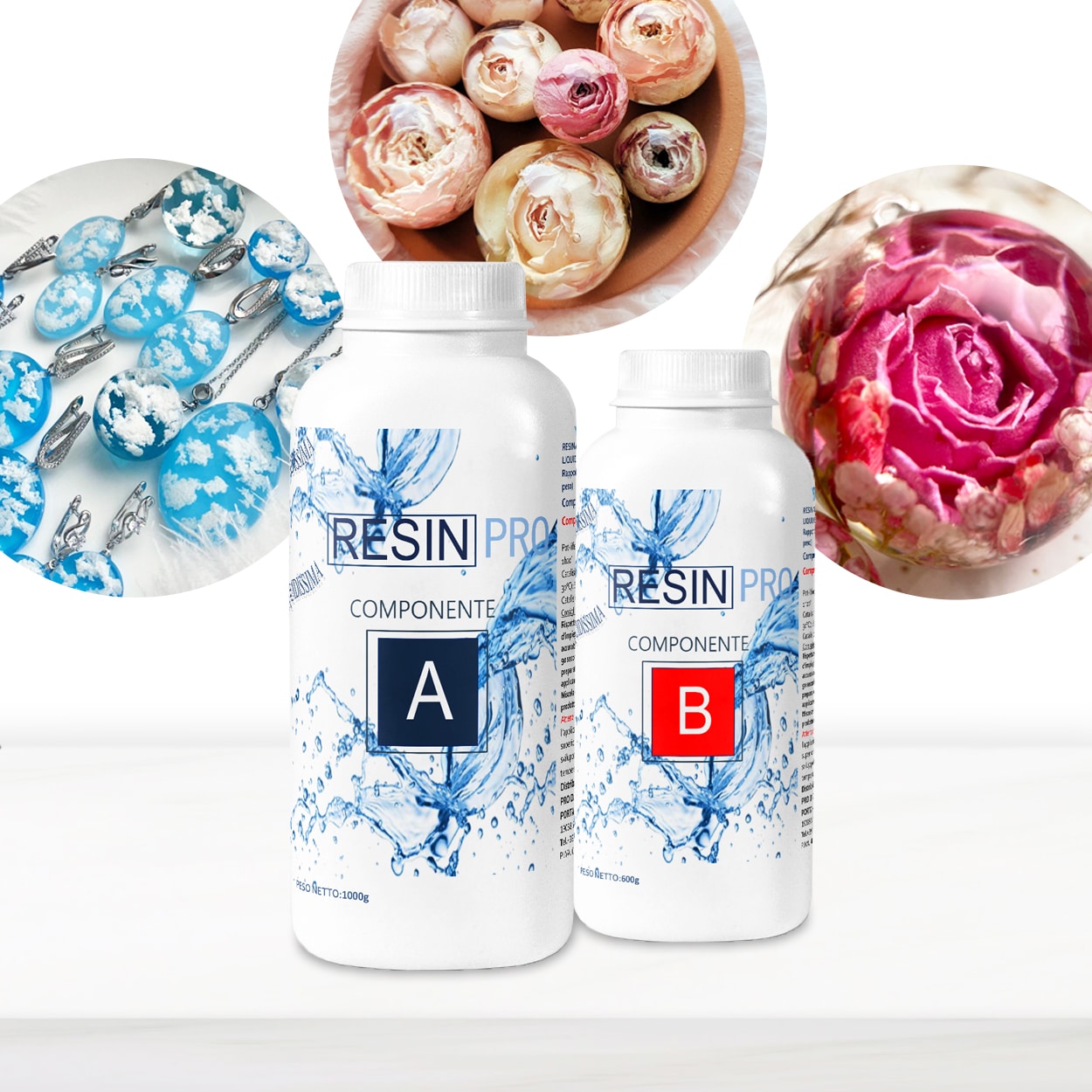
One of the most crucial steps in resin jewellery making is knowing the perfect moment to demould your piece. If you rush this step, you risk damaging your Sicily-shaped pendant, so it’s worth getting the timing right for a flawless result.
Understanding Resin Cure Times
Epoxy resin requires sufficient time to cure and solidify fully in its mould. Most jewellery-grade epoxy resins, such as “Liquidissima”, typically cure within 12 to 24 hours under normal conditions. While the top may feel dry sooner, curing continues beneath the surface, so removing your pendant prematurely can cause warping, dull spots, or unwanted marks.
How to Test If Your Pendant Is Ready to Demould
Before demoulding, check that your resin pendant feels firm and is no longer tacky to the touch. The edges should be well-defined and the surface should release easily from the silicone mould without sticking. If it resists or still bends, allow additional curing time. Ensure your workspace is kept at a stable temperature for consistent results.
Practical Tips for Flawless Demoulding
- Choose a high-quality, flexible silicone mould such as the “Five” 5-piece Silicone Mould Set for easier demoulding.
- Avoid using tools that might scratch or mark your pendant; gentle pressure usually does the trick.
- If using add-ons or inclusions, make sure everything is fully set before demoulding to prevent shifting or blemishes.
When Timing Matters Most
Waiting the full recommended cure time is especially important for detailed or intricate designs like Sicily-shaped pendants, as premature handling can affect both the finish and structural integrity of your piece. Patience at this stage often means less sanding and polishing later on.
Related products
Related guides
Timing your demoulding properly ensures your Sicily-shaped resin pendant keeps its detail and clarity. For more creative techniques and resin jewellery tips, see our full guide on making Sicily-shaped pendants in resin.