 Free shipping on orders over £29,85
  Shipping Tracking!


 Google
 Facebook
← Back to How much catalyst should be added to the resin?
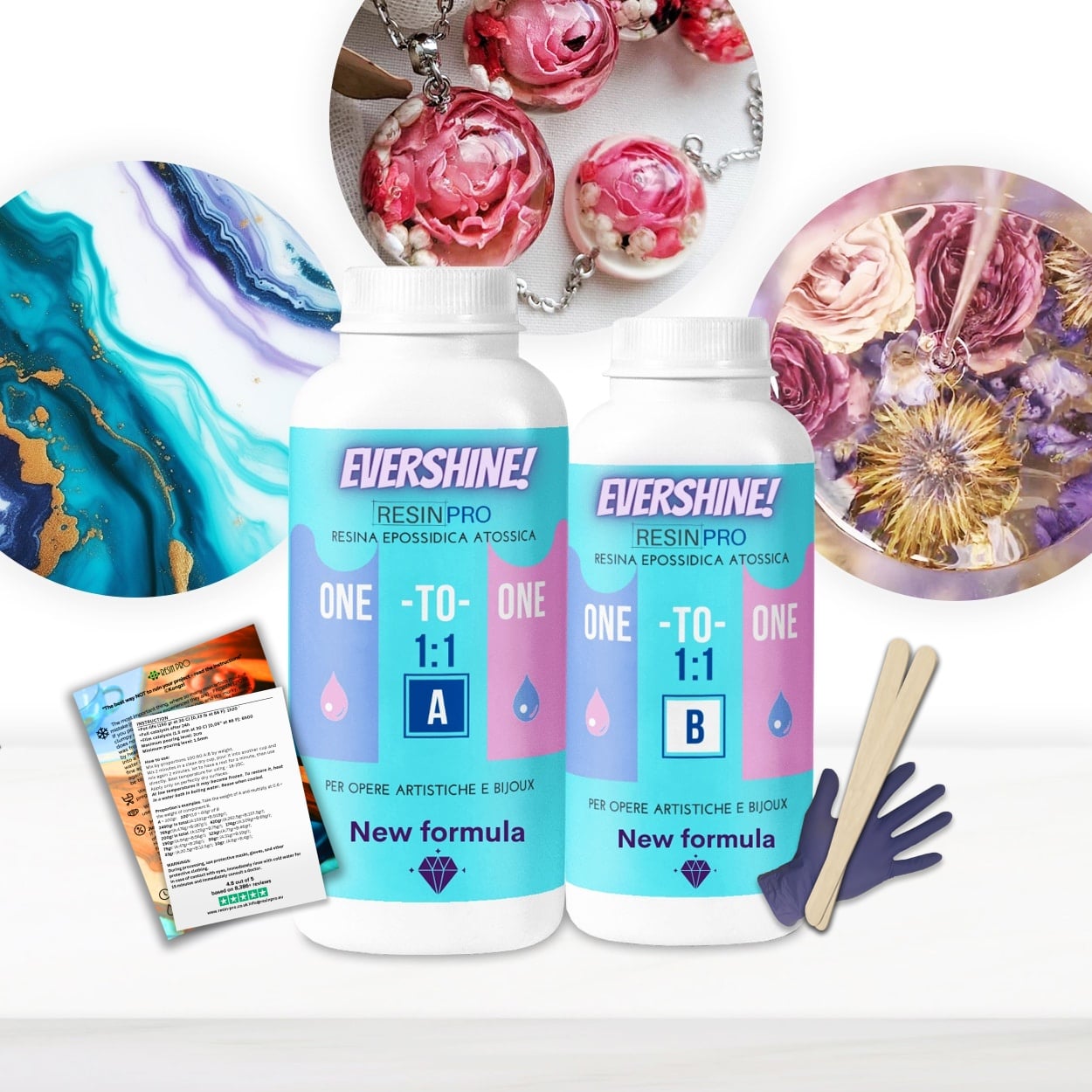
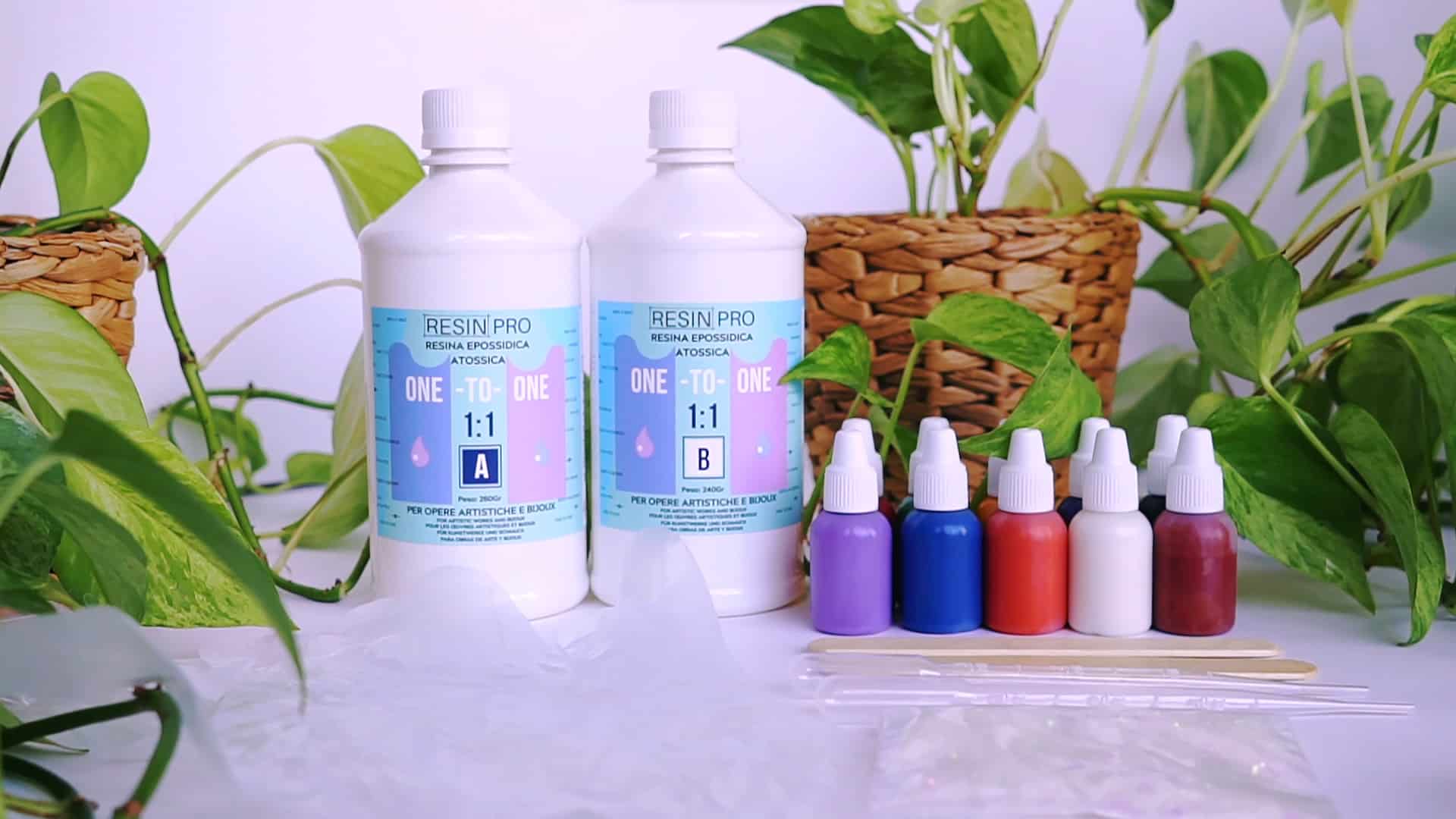
Mixing resin and catalyst (or hardener) in the correct ratio is essential for successful results when working with epoxy systems. The most common mixing ratios you’ll encounter are 1:1 and 2:1, and understanding the difference helps you select the right approach for your project.
Understanding 1:1 and 2:1 Mixing Ratios
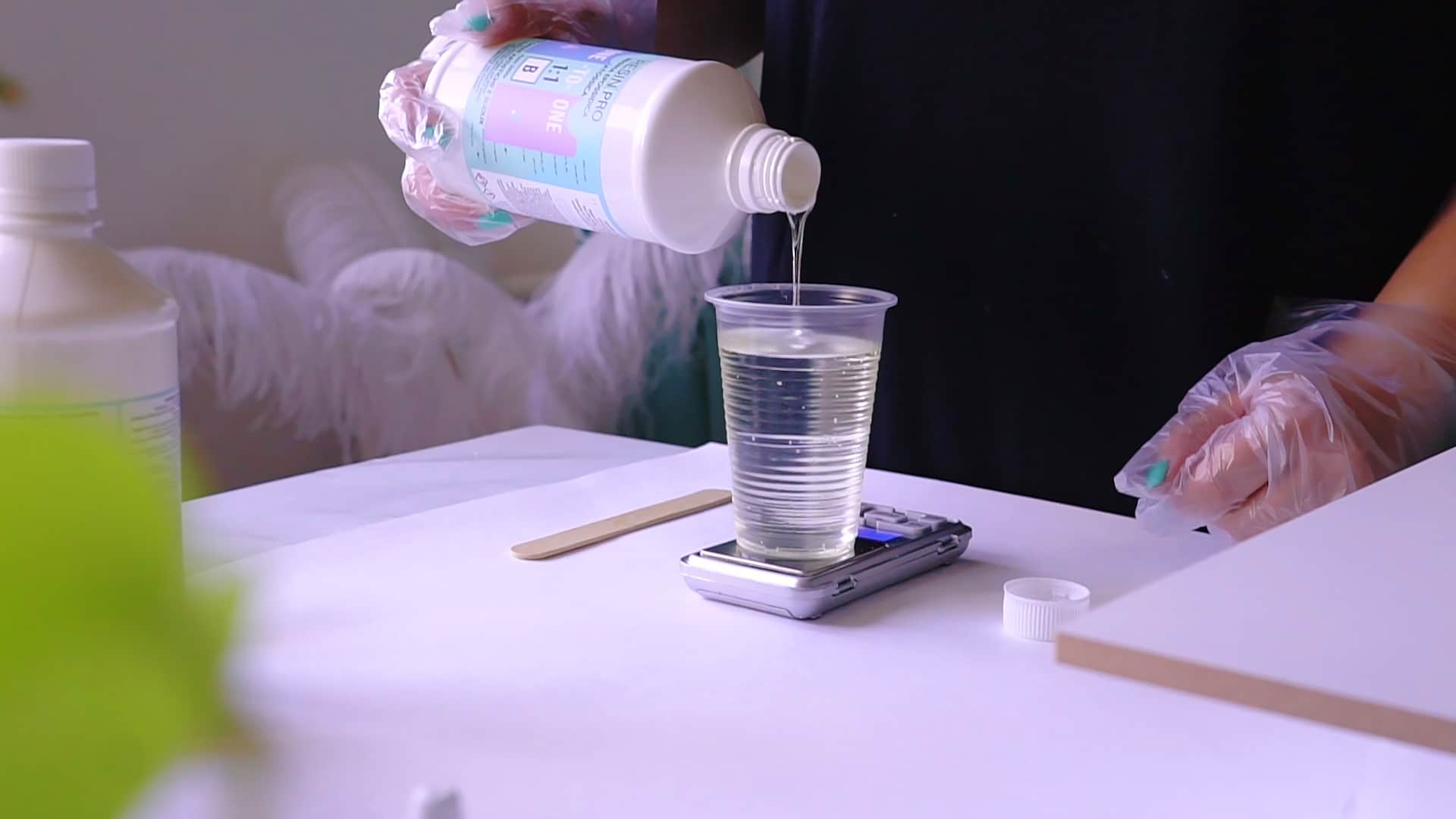
A 1:1 ratio means combining equal parts of resin and hardener by volume. This setup is popular for its simplicity and is often suitable for decorative handcrafts, coatings, and basic craft work. In contrast, a 2:1 ratio requires two parts resin to one part hardener. This ratio is common in formulations designed for specific performance—like quicker setting or greater durability—and may sometimes be measured by weight or volume, according to product instructions.

Choosing the Right Ratio for Your Project
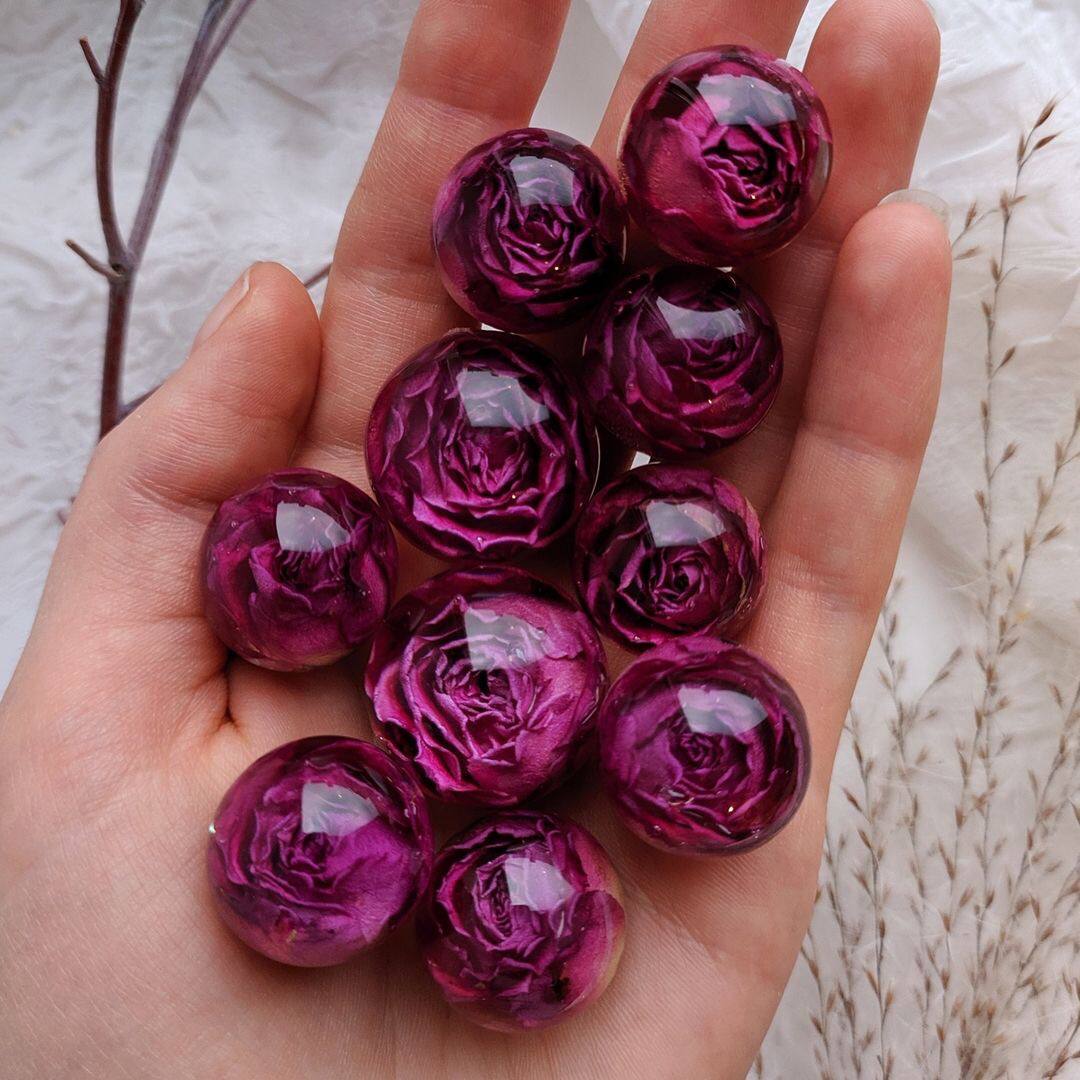
The main consideration when choosing between these ratios should always be the manufacturer’s recommendation. Using the wrong ratio can lead to improper curing, softness, or even tacky, unusable results. If you’re seeking an easy-to-use resin for jewellery or crafts, products like “One-2-One” Epoxy Resin offer a straightforward 1:1 mixing process, ideal for beginners and experienced crafters alike. For faster demoulding or projects requiring a 2:1 mix, ICreation resin is a practical choice that delivers rapid yet dependable results.
When This Matters
Selecting the correct ratio is especially important if your project requires a specific finish or curing time. Decorative items and jewellery generally benefit from 1:1 systems for their ease and balanced results, whereas time-critical pieces or those needing high performance may call for a 2:1 resin mix. Always follow the guidance provided with your chosen resin system to ensure the best outcome.
Related products
Related guides
Getting the mixing ratio right is vital for crafting and resin art success. To explore more about how much catalyst should be added and get the most out of your materials, visit our full FAQ page for detailed insights and product recommendations.