 Free shipping on orders over £29,85
  Shipping Tracking!


 Google
 Facebook
How much catalyst should be added to the resin?
Find the correct mixing ratios for safe and flawless resin results.
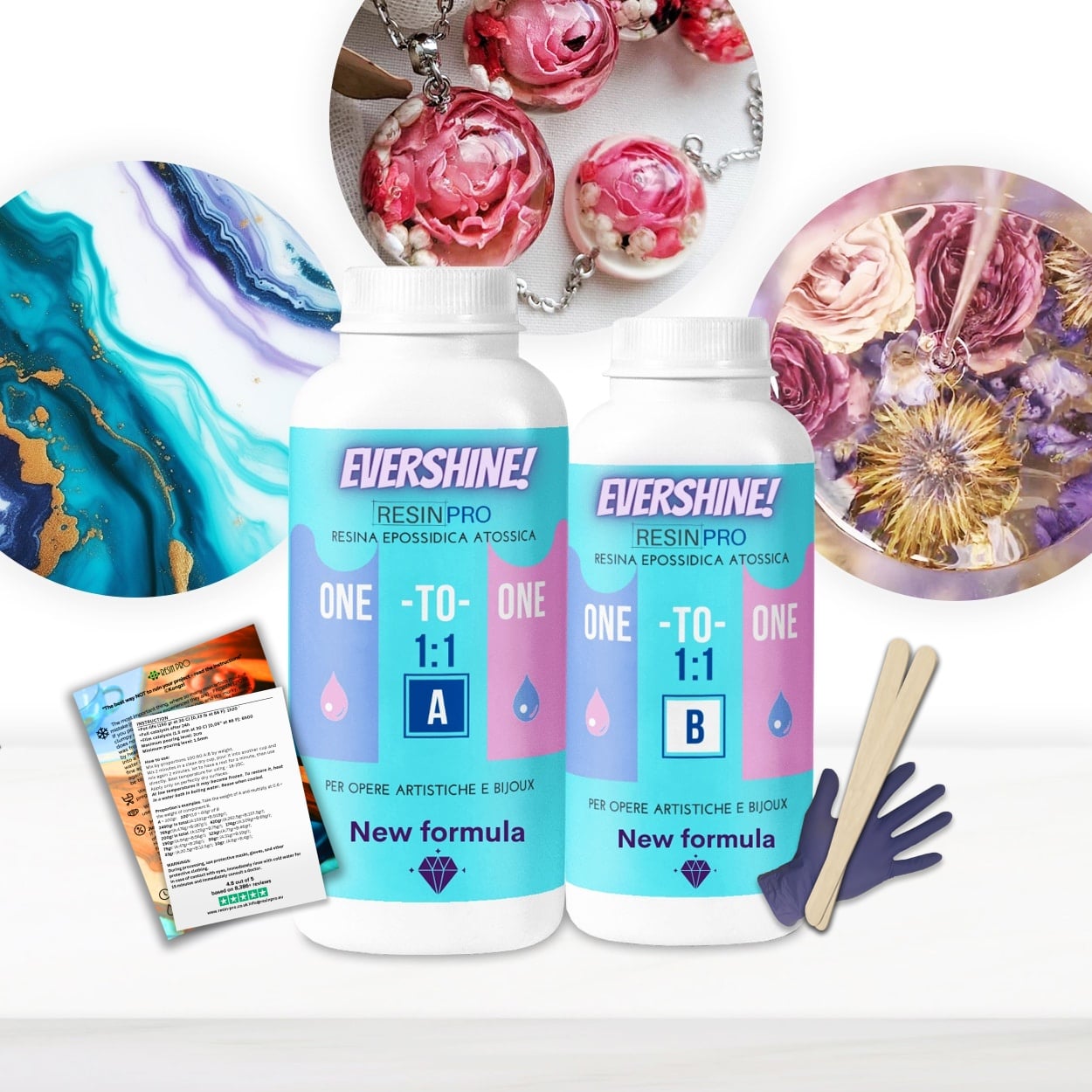
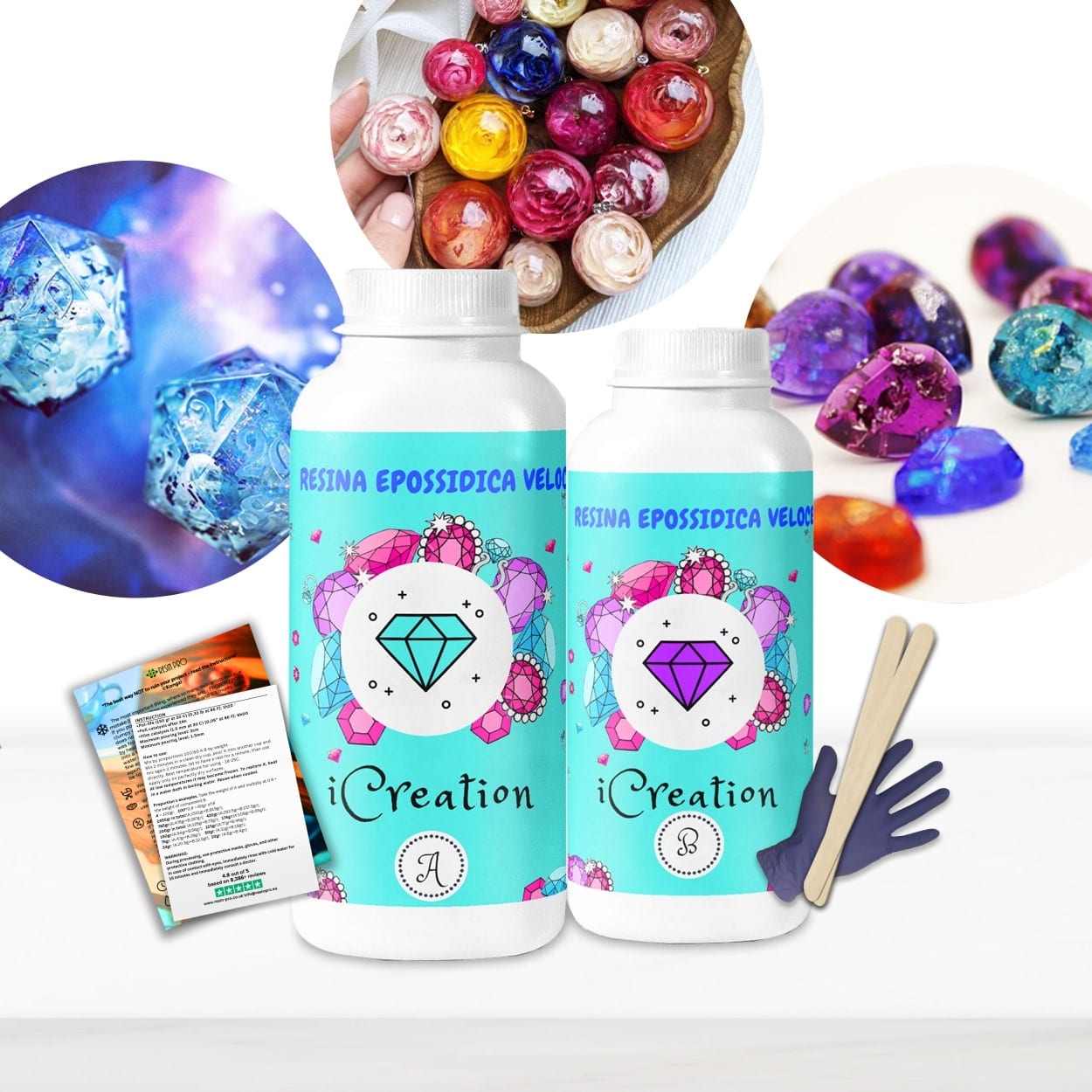
Ensuring the correct amount of catalyst (hardener) is added to your resin mix is vital for achieving a strong, flawless, and safe cure on every project. This guide is designed for crafters, artists, makers, and DIY enthusiasts looking to understand how much catalyst is needed for different types of epoxy resin—so you can confidently mix, cast, and create, whether you’re working on jewellery, tables, composite coatings, or model building.
Resin Mixing Ratios Explained: Catalyst Amounts Compared
Resin systems require a precise balance of resin (component A) and catalyst or hardener (component B). The correct proportion depends on the specific resin formulation. Some resins are mixed by volume—such as 1:1 by volume mixing—where equal parts are simply combined. Others use ratios by volume or by weight, such as 2:1 mixing ratio (two parts resin to one part hardener), 4:1 mixing ratio (four parts resin to one part hardener), or exact weight-based measurements like 100:55 mixing by weight. Choosing the right approach ensures that your resin cures without remaining sticky, brittle, or producing unwanted bubbles. Each system suits different applications and project types, as detailed below.
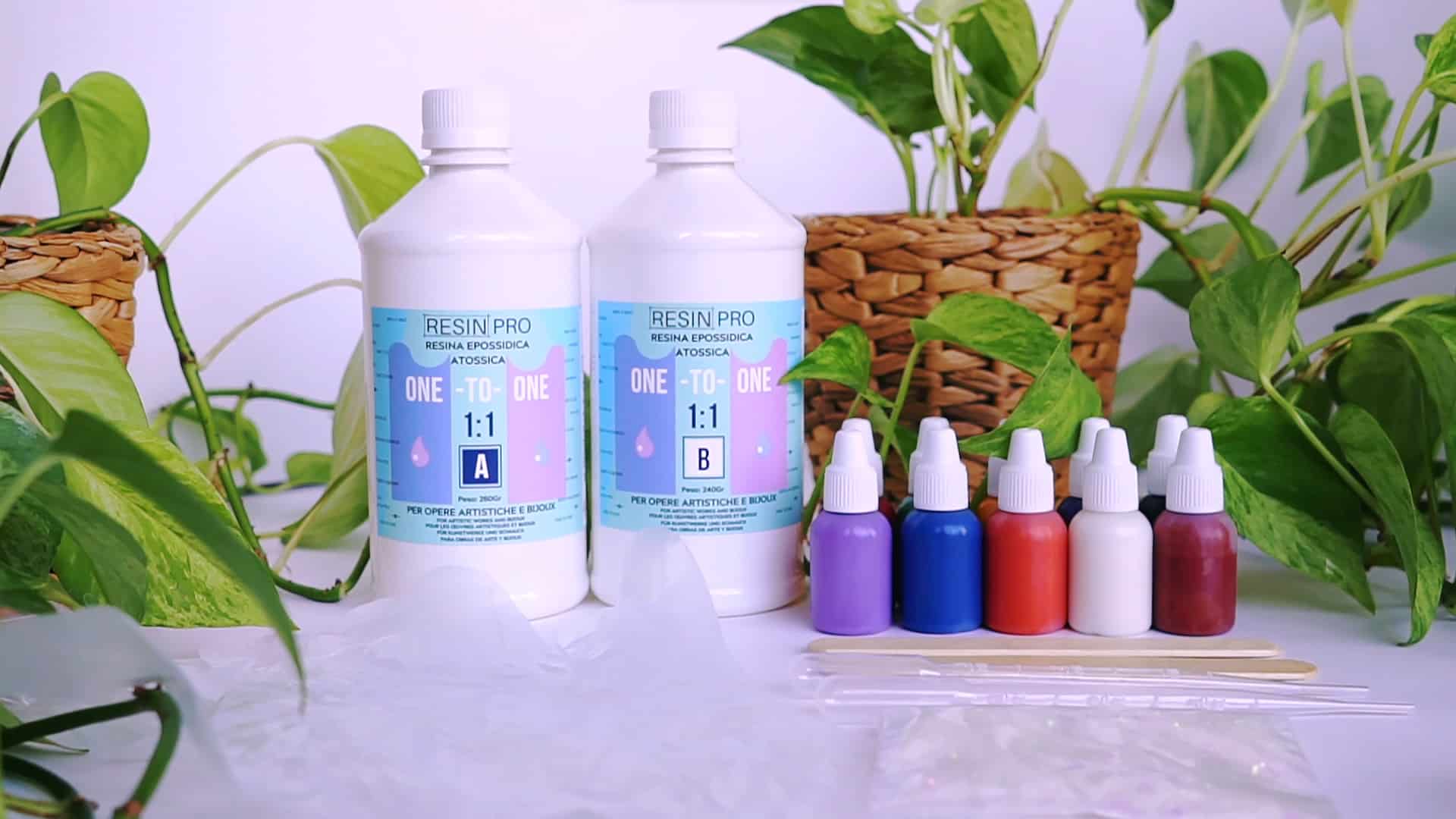
Visual Comparison of Resin Mixing Techniques
See how different resin systems require specific mixing ratios for optimal results: from 1:1 by volume mixing in beginner-friendly crafts to 100:55 by weight for advanced composite work. Consistent, thorough mixing is the key to durable and beautiful finishes—no matter the ratio!
Simple 1:1 by Volume – “One-2-One” Epoxy Resin for Handcraft
If you’re just starting out, or you prefer an error-proof system, “One-2-One” – Epoxy Resin for Handcraft, 1:1 Mixing Ratio is tailored for you. This resin is mixed in 1:1 by volume mixing: just combine equal volumes of resin and hardener. No scales are needed—simply measure out the same amount of each part. This simplicity makes it especially popular among jewellery makers and decorative artisans looking for an easy, reliable cure and a glossy, crystal-clear finish. Plus, its non-toxic formulation and UV filters ensure long-lasting, safe results for both beginners and experienced crafters.
Fast Results with a 2:1 Mixing Ratio – “ICreation” Fast Epoxy Resin
For time-sensitive projects requiring a swift turnaround, “ICreation” – Fast Epoxy Resin, 6h Demoulding, Transparent Gloss Finish is the answer. This resin uses a 2:1 mixing ratio—two parts resin to one part hardener—providing a rapid catalysis that lets you demould after roughly 6 hours. This is ideal for those producing multiple pieces or working under time constraints, such as craft fairs or commission work. The self-levelling, clear-gloss finish is perfect for both professional and hobby craft applications.
Precision with 100:55 Mixing by Weight – “Carbon Resin” for Fibre Coatings
When working with carbon fibre, fibreglass, or technical composites, accuracy in mixing becomes critical. The “Carbon Resin” – Epoxy Resin for Carbon Fiber & Fiberglass Coating requires 100:55 mixing by weight: weigh out 100 parts resin to 55 parts hardener. This precise approach ensures proper fabric impregnation, bubble minimisation, and ultimate structural strength—making it a staple among composite technicians, model builders, and those seeking high mechanical performance from their cured resins.
For Deep Pours – 4:1 Mixing with “Epoxytable 10-Ten”
Tables, river projects, and large castings need a system optimised for deep pours and long working times. “Epoxytable 10-Ten” – Deep Pour Epoxy Resin for Tables, Up to 10cm Casting is engineered for just this. Its 4:1 mixing ratio (by volume) allows for up to 10cm thick pours without overheating or excessive bubbling. This formulation is the top choice for large artistic creations, river tables, and deep decorative pieces requiring a non-yellowing, perfectly clear finish that will last for years.
Choosing and Measuring Catalyst: Practical Tips
Always measure carefully—never guess catalyst quantities, as under- or over-catalysing leads to improper curing, sticky surfaces, or weakened results. Use the correct tools for each resin system: a graduated jug for volume-based mixes, or reliable digital scales for weight-based combinations. Follow manufacturer guidelines—they exist for a reason! If using a new product, double-check instructions as ratios may differ even between similar types. Keeping your workspace at a stable room temperature and mixing thoroughly will further reduce problems, particularly in large or complex pours.
Top Tips for Accurate Resin and Catalyst Mixing
Measure resin and hardener in accordance with the specified ratio, whether it’s 2:1 mixing ratio, 4:1 mixing ratio, or another formula. Scrape the sides and base of your container while mixing to ensure a uniform cure throughout your project.
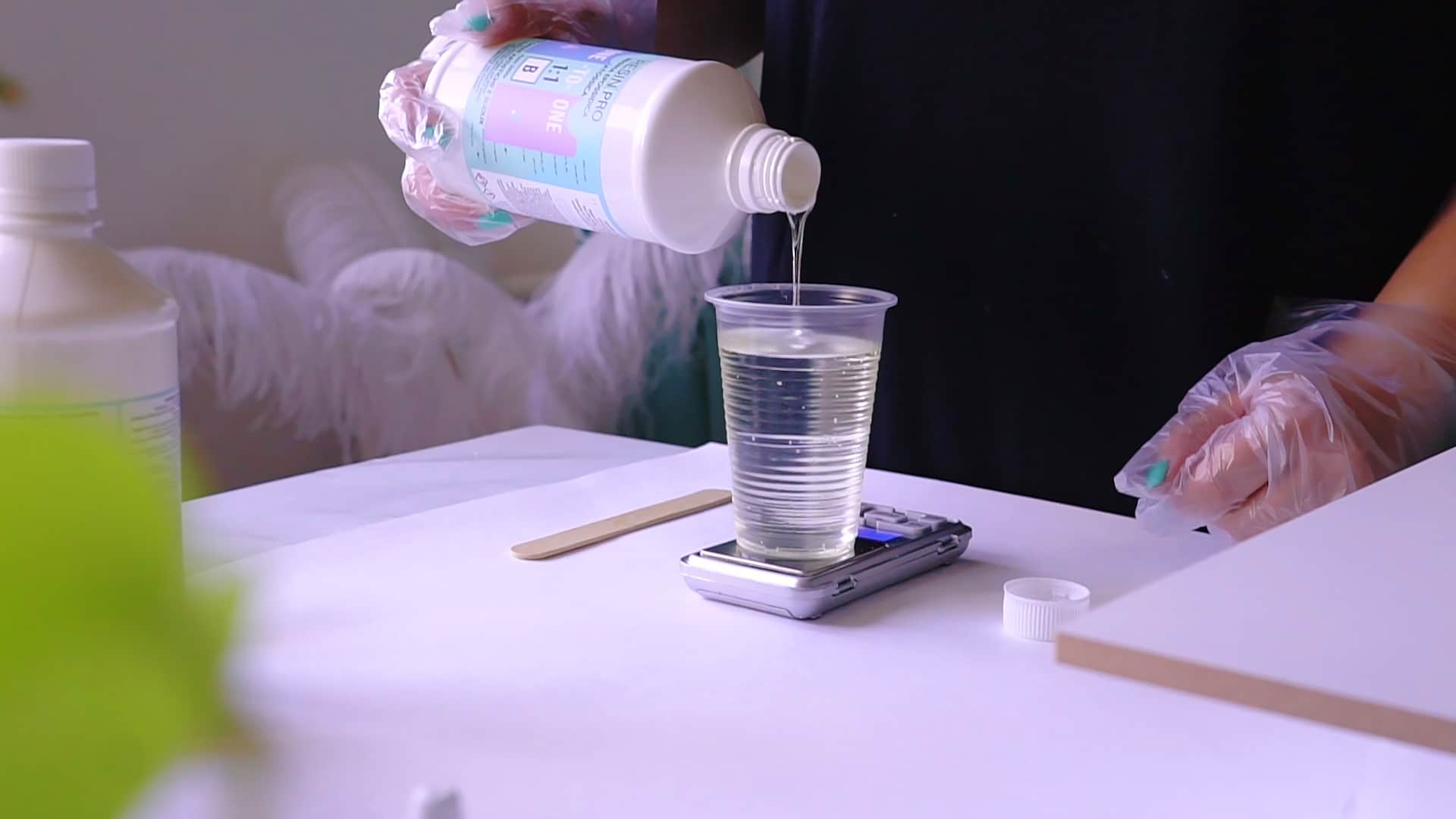
- "One-2-One" – Epoxy Resin for Handcraft, 1:1 Mixing RatioPrice range: £15.95 through £59.95"One-2-One" epoxy resin is a medium viscosity resin with a straightforward 1:1 mixing ratio, suitable for decorative handcraft projects.
- "ICreation" – Fast Epoxy Resin, 6h Demoulding, Transparent Gloss FinishPrice range: £15.95 through £55.95"ICreation" delivers a clear, glossy finish with a fast 6-hour demould time. Suitable for jewellery and craft projects within the theme of catalyst…
 "Carbon Resin" – Epoxy Resin for Carbon Fiber & Fiberglass CoatingPrice range: £19.95 through £37.95"Carbon Resin" is an epoxy resin designed for carbon fibre and fibreglass with properties supporting good impregnation and a durable glossy finish.
 “Epoxytable 10-Ten” – Deep Pour Epoxy Resin for Tables, Up to 10cm CastingPrice range: £35.95 through £351.95Epoxy resin suitable for deep pouring up to 10cm, designed for tables and artistic projects. Provides non-yellowing clarity with a long working time.
Frequently Asked Questions
What is the difference between 1:1 and 2:1 resin and catalyst mixing ratios?
A 1:1 ratio means equal parts resin and hardener by volume, while 2:1 uses two parts resin to one part hardener. Choose based on your resin's instructions.
Is it okay to mix resin and catalyst without using measuring tools?
No. Always use accurate measuring jugs for volume or digital scales for weight. Eyeballing can lead to incorrect curing and poor results.
What happens if too much catalyst (hardener) is added?
Excess catalyst can cause the resin to cure too quickly, heat up, become brittle, or fail to harden evenly.
Which resin types and ratios are best for thick casting compared to jewellery making?
Thick casting requires deep pour resins with slow catalysts (e.g. 4:1), while jewellery often uses 1:1 or 2:1 for faster, reliable results.
Can I mix a resin designed for volume-mixing by weight instead?
No. Always follow the specified ratio type. Volume-base resins are formulated for measurement by volume, not weight.
How can I minimise bubbles during the mixing process?
Mix slowly, scrape sides and bottom, and pour gently. For deep pours, use low viscosity resins to reduce air entrapment.