 Free shipping on orders over £29,85
  Shipping Tracking!


 Google
 Facebook
← Back to How were Fischer anchors fixed before resins?

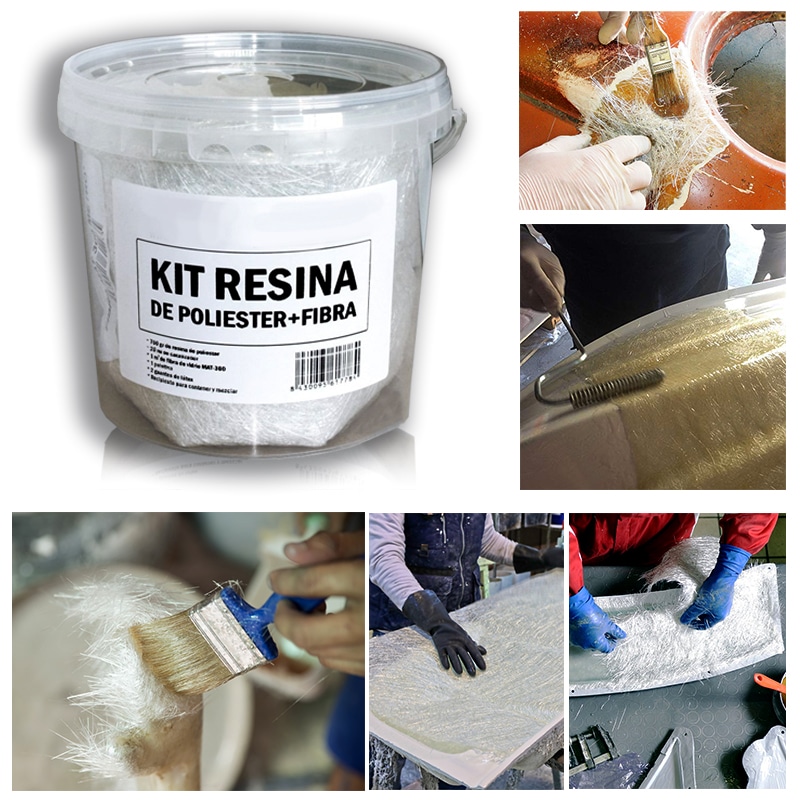
Understanding the contrast between mechanical anchors and resin fixings can help you choose the best solution for your next repair or installation job. Each method secures materials in different ways and is suited to specific situations.
How Mechanical Anchors Work
Mechanical anchors have long been used in construction and repair, particularly before resin technologies became common. They function by expanding physically within the pre-drilled hole—when the anchor is tightened, it presses against the sides of the hole to create a secure grip. This relies on friction and mechanical force to hold objects firmly in place.
These anchors are straightforward to install, making them a practical choice for masonry, brick, or concrete where immediate load-bearing is needed. However, they may not always be ideal in weak or crumbly substrates, as the expansion can damage or split the material further.
The Advantages of Resin Fixings
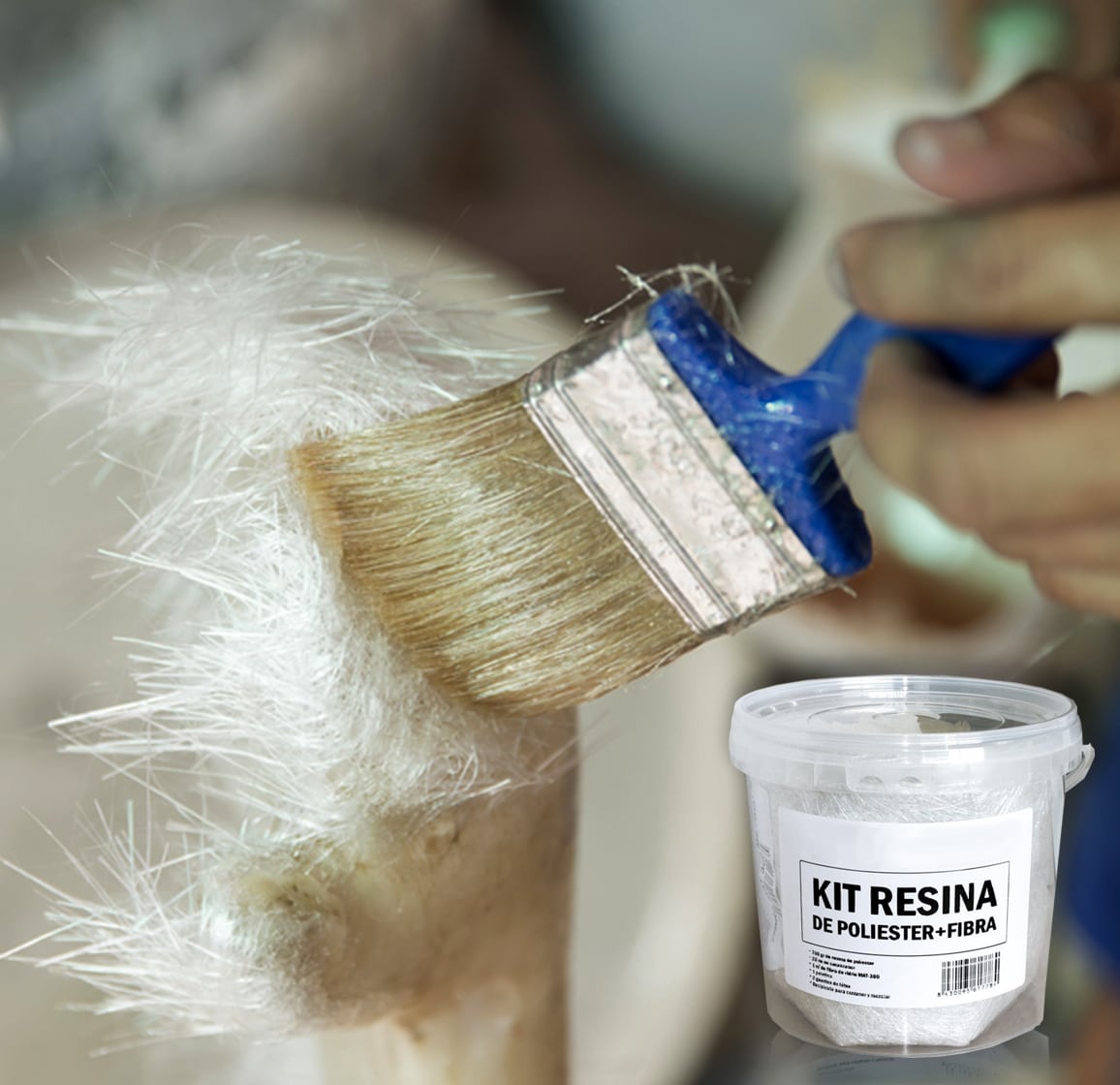
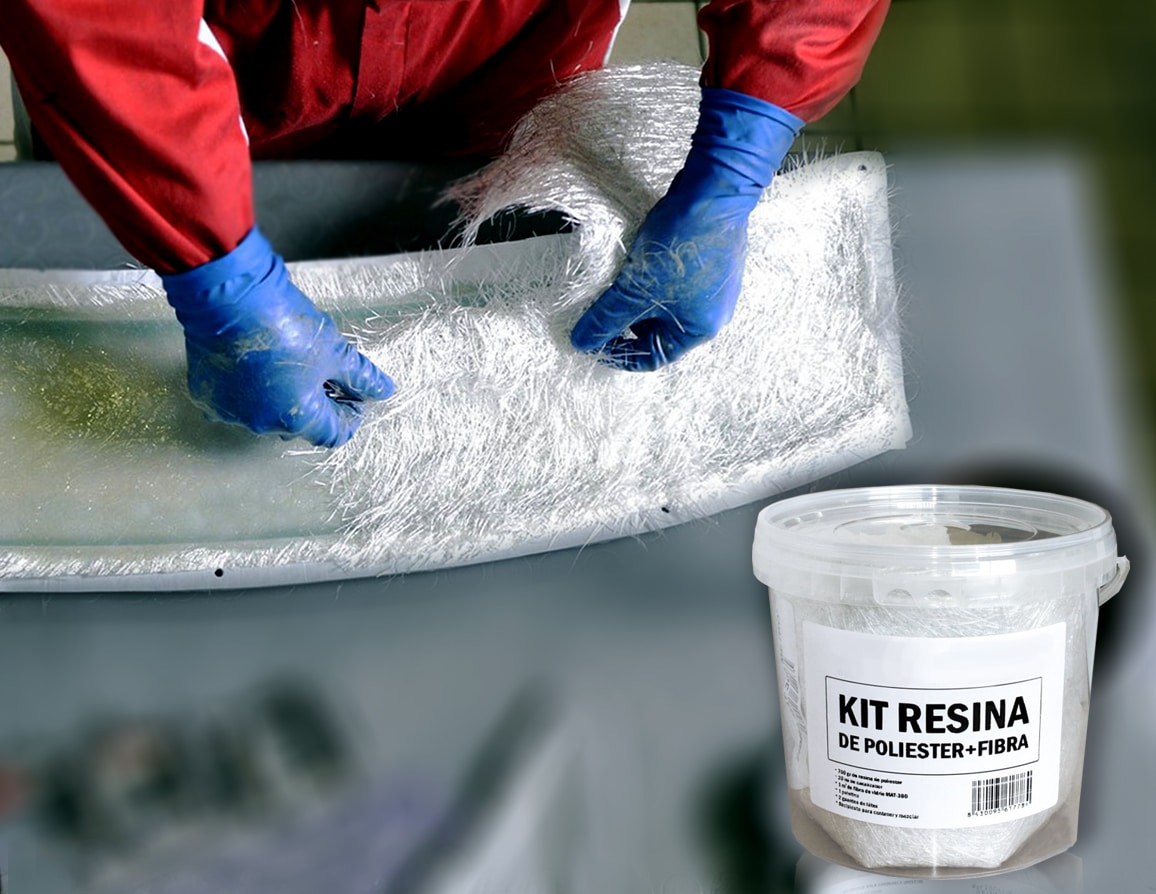
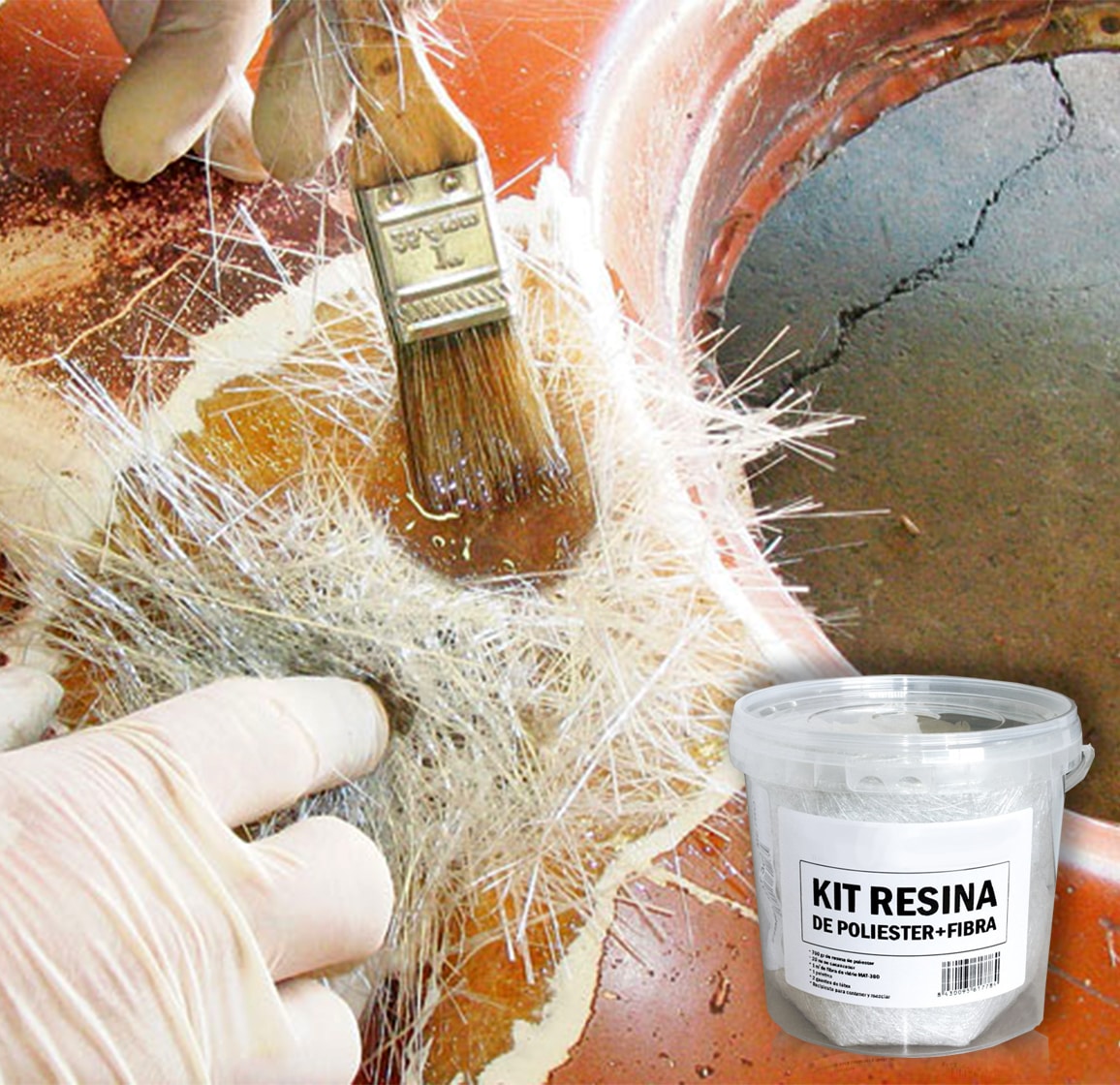
Resin fixings use chemical bonding to secure anchors inside holes. A two-part resin, such as that found in a Resin Fibreglass Repair Kit, is mixed and injected into the hole. The anchor or rod is inserted before the resin cures, creating a robust, adhesive bond once set.
This method distributes load evenly and reduces stress on the surrounding material, making it especially useful in cracked, aged, or irregular masonry. It’s often chosen for jobs requiring strong, lasting bonds—such as structural reinforcements or where vibration and heavy loads are a concern.
When to Choose Each Method
- Mechanical Anchors: Preferable for fast installation in solid, sound materials and when immediate high load capacity is required.
- Resin Fixings: Best for use in fragile or variable substrates, for overhead or critical fixings, or when you need to minimise stress around the anchor point.
Modern solutions, such as rapid-setting epoxy glues or specialised resins for composites, have enabled new ways of achieving strong fixes where traditional anchors may be unsuitable.
Related products
Related guides
While both mechanical anchors and resin fixings remain essential for different scenarios, resin-based methods reflect significant advancements in repair and installation techniques. For more on how fixing methods have evolved, visit our main guide: How were Fischer anchors fixed before resins?