 Free shipping on orders over £29,85
  Shipping Tracking!


 Google
 Facebook
How were Fischer anchors fixed before resins?
From mechanical anchoring to modern resins: methods compared

If you’re curious about how Fischer anchors were once installed before the introduction of advanced resins, this page offers a factual overview for renovators, tradespeople, and curious DIYers alike. We’ll explore historic mechanical anchoring techniques, compare them to contemporary resin systems, and help you understand which resin products offer a step forward for today’s repairs and projects.
Traditional Fixing Methods vs. Modern Resin Solutions
Before resin technologies became mainstream, Fischer anchors were typically secured using pure mechanical anchoring methods. These relied on the physical expansion of metal sleeves or bolts within a drilled hole, providing grip via friction and force. Alternative techniques sometimes used basic adhesives or lead inserts, but consistently required precise installation and were less effective for some substrates. Today’s resin-based solutions surpass these earlier methods—offering chemical bonding, superior load distribution, and increased durability for challenging materials.
Historic Anchoring in Practice
Before resin anchors, mechanics ruled: metal expansion bolts, lead plug sleeves, and wedge anchors were common for Fischer installations. These relied on physical force to keep components in place, but often risked loosening in softer materials. Brick, stone, and low-density concrete posed unique challenges—resins have since revolutionised reliability across all surfaces.
Resin Fibreglass Repair Kit – Complete Polyester Resin and Hardener Set
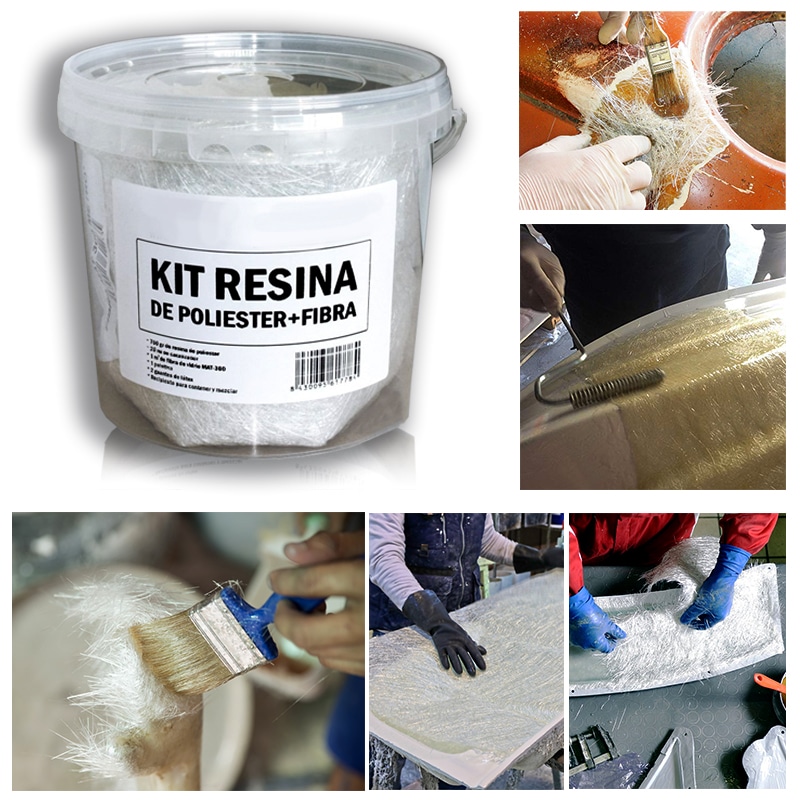
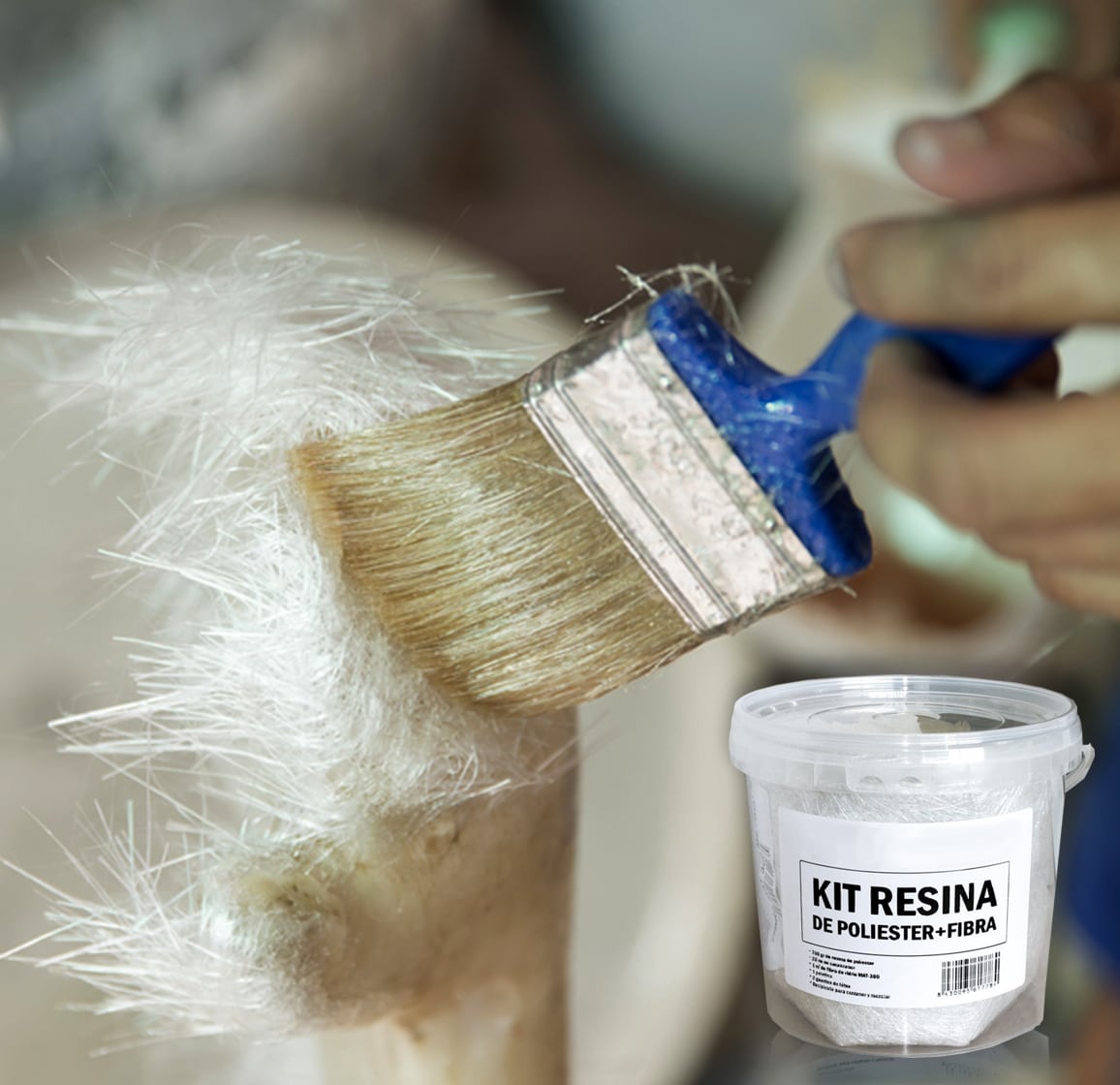
The Resin Fibreglass Repair Kit – Complete Polyester Resin and Hardener Set represents a leap forward for structural anchor repairs. It replaces traditional mechanical approaches with a high-adhesion, waterproof bond. The kit includes everything needed for structural reinforcement—700 g professional-grade polyester resin, 1 m2 of fibreglass mat, hardener, brush, protective gloves, and mixing container. Suitable for metals, rigid plastics, and more, it achieves results that older methods simply cannot match, all with easy-to-follow instructions.
“FixExpress” – Two-Component Epoxy Glue 500g
For projects demanding rapid results, “FixExpress” – Two-Component Epoxy Glue 500g provides ultra-fast setting and maximum strength. Traditional anchor fixing would take time and risk imprecise fit—this modern two-component epoxy achieves a solid bond in about five minutes, on materials from wood to metal and ceramics. Its solvent-free, drip-free formula and 1:1 mixing ratio make it far more convenient and effective than older fixatives or manual expansion methods.
“Carbon Resin” – Epoxy Resin for Carbon Fiber & Fiberglass Coating
Composite technologies play a growing role in engineering and repair. The “Carbon Resin” – Epoxy Resin for Carbon Fiber & Fiberglass Coating is tailored to applications demanding structural integrity and resistance to high mechanical stresses. Unlike classic mechanical anchors that might loosen with vibration, resin-impregnated composites create a chemical bond and high impact resistance—benefiting everything from load-bearing installations to technical repairs at room temperature.
“Liquidissima” – Epoxy Resin For Creations & Jewellery
While not designed for heavy-duty anchor fixing, “Liquidissima” – Epoxy Resin For Creations & Jewellery highlights the versatility of modern resin systems. With its long working time, water-clear finish, and low viscosity, it’s ideal for detailed or intricate mould work. This contrasts the purely physical nature of traditional anchors, showing how resins have opened up creative and technical possibilities, even in fine applications.
Choosing the Right Solution: Project Requirements and Surfaces
When selecting an anchor fixing method, consider the substrate—concrete, metal, or composite surfaces all have their own demands. While mechanical anchors remain useful for certain older structures, resins such as those in the complete kits or specialist multipurpose epoxy resins line enable repairs in damp, uneven, or vibration-prone areas. Assess load requirements, installation conditions, and the compatibility of resin set or epoxy glue for your application before starting your project.
Integrating Modern Resins into Traditional Projects
For those restoring historic buildings or updating older installations, modern resins can dramatically improve strength, water resistance, and longevity without invasive disruption. The transition from mechanical to chemical anchoring enables lasting results, with today’s resin kits offering easy application and universal material compatibility.
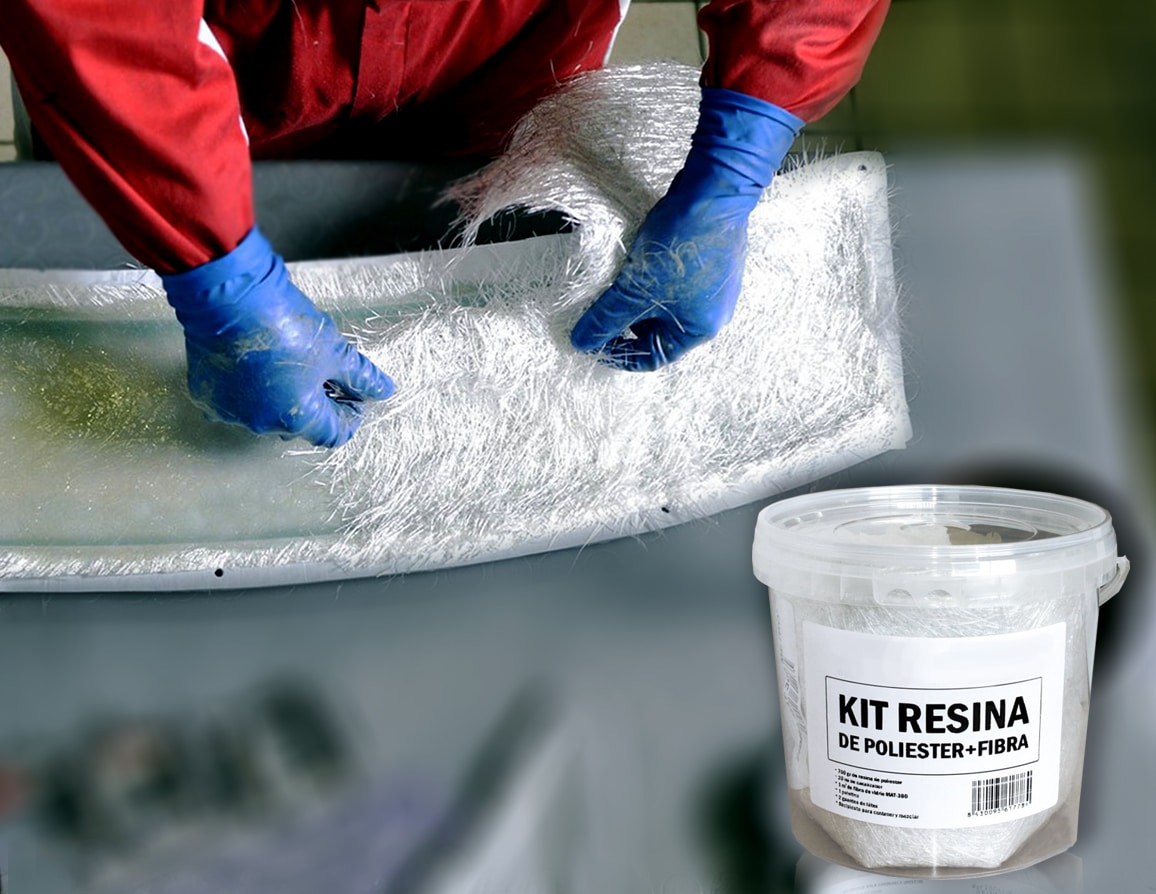
- Resin Fibreglass Repair Kit – Complete Polyester Resin and Hardener SetThe Resin Fibreglass Repair Kit provides a ready-to-use polyester resin set for structural repairs involving fibreglass and rigid materials.
 "FixExpress" – Two-Component Epoxy Glue 500g£26.95"FixExpress" epoxy glue sets rapidly and is suitable for repairs on many materials, fitting the theme on fixing methods before resins.
 "Carbon Resin" – Epoxy Resin for Carbon Fiber & Fiberglass CoatingPrice range: £19.95 through £37.95"Carbon Resin" is designed for composites and technical fabrics, providing durable impregnation and a glossy finish.
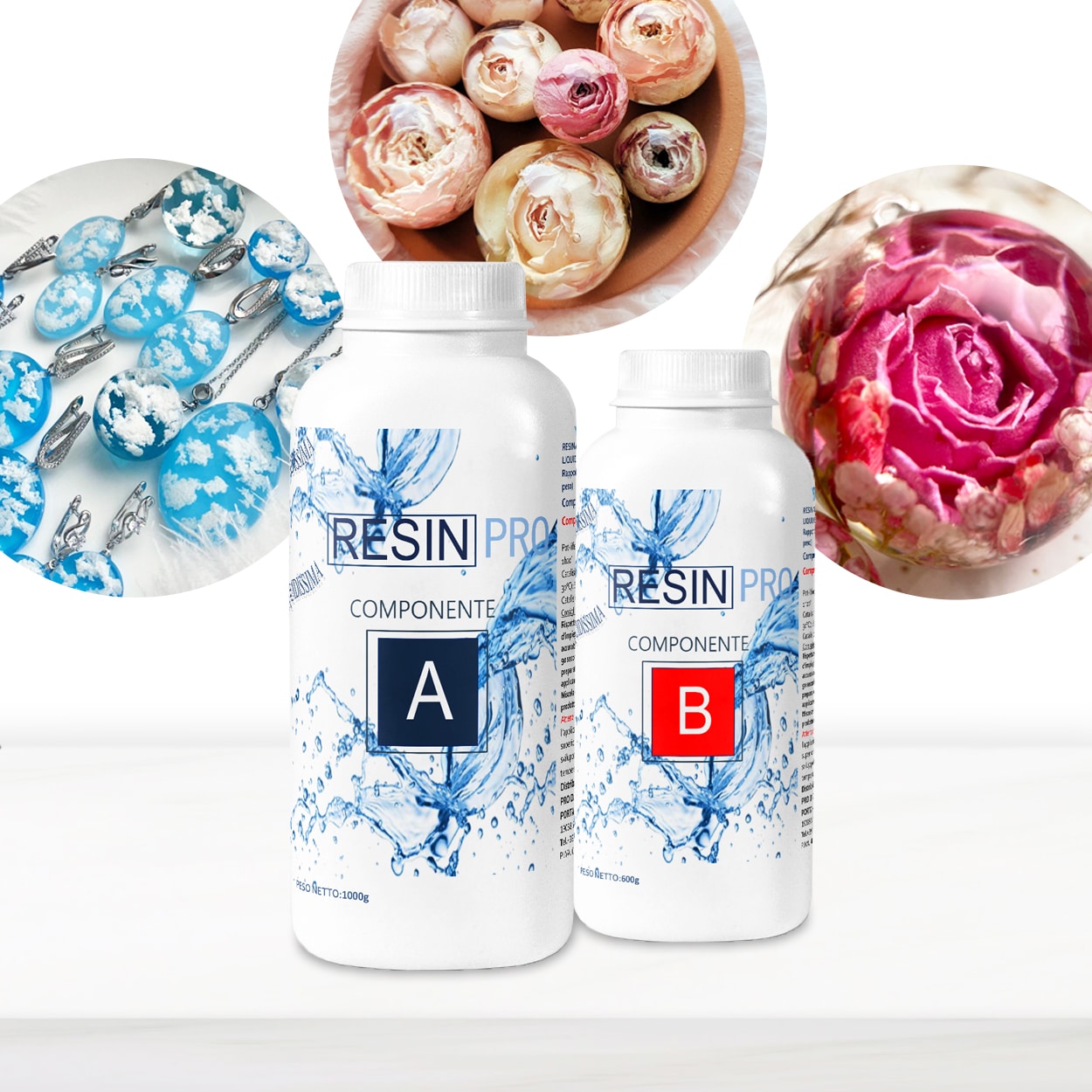 "Liquidissima" – Epoxy Resin For Creations & JewelleryPrice range: £12.85 through £31.85"Liquidissima" epoxy resin offers high transparency and a long working time, suitable for detailed moulds and creative jewellery projects.
Frequently Asked Questions
What’s the main difference between traditional mechanical anchors and resin fixings?
Mechanical anchors grip by expanding physically within the hole, while resins use chemical bonding for secure, durable attachment.
Can modern resin systems be used to reinforce old Fischer anchor fixes?
Yes, resins can strengthen or repair older anchoring points, providing improved adhesion and increased load capacity.
Are resin anchors better for brittle or low-density materials than traditional fixings?
Resin systems often perform better in weak substrates, offering stable chemical bonds where mechanical anchors may loosen.
Does fixing an anchor with resin require different preparation compared to mechanical methods?
Preparation varies; resin anchors often need clean, dry holes and precise placement to ensure maximum bond strength.
How does epoxy glue compare to polyester resin in anchor applications?
Epoxy glue typically sets faster and offers maximum strength, while polyester resin provides excellent structural bonding and water resistance.
Do you need specialist skills to use resin anchor kits?
Most kits come with user-friendly instructions, making them suitable for both professionals and skilled DIYers.