 Free shipping on orders over £29,85
  Shipping Tracking!


 Google
 Facebook
← Back to What is a resin factory called?
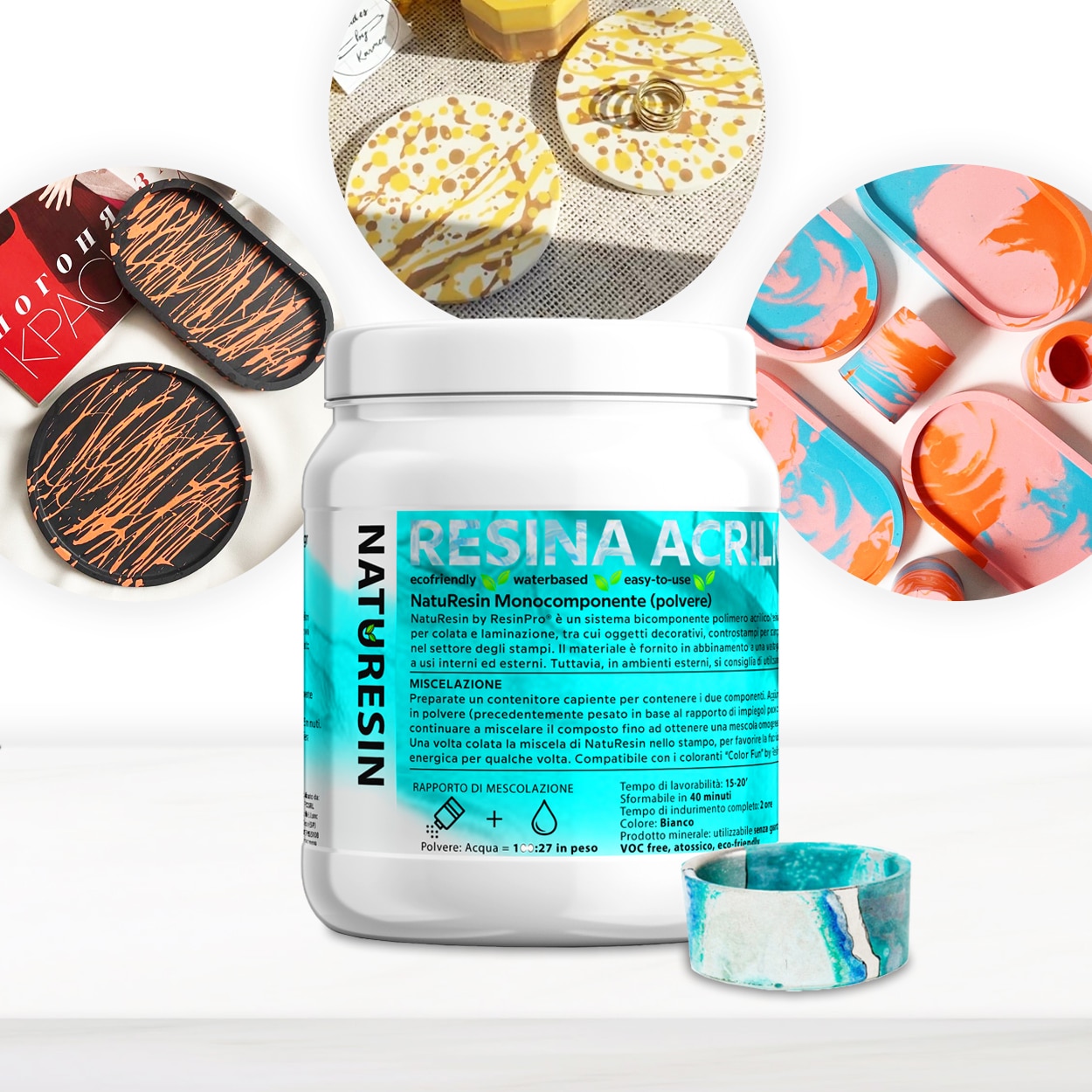
Choosing between mineral and epoxy resins can transform the outcome of your creative or DIY project. Understanding what sets these two resin types apart will help you achieve the result and working experience you want.
Main Properties and How They Work
Mineral resins are activated by water, resulting in a single-component mixture with a ceramic-like, robust finish. They are generally low in odour and suitable for indoor use due to their non-toxic, solvent-free formulation.
Epoxy resins, on the other hand, require mixing two components—a resin and a hardener. This reaction produces a transparent, glossy surface prized for clarity and strength, which is ideal for encapsulated effects in art and jewellery.
Use Cases and Application Tips
- Mineral resin: Ideal for decorative objects, trays, coasters, flower pots and projects where a stone-like or matte finish is desired. Simply mix with water and pour; once set, the hardened material is typically suitable for indoor and outdoor use. Consider the “NatuResin” water-based mineral resin for easy handling and ceramic-like results.
- Epoxy resin: Best for jewellery, moulded art, surface coatings, and situations where high clarity is needed. Mix resin and hardener per instructions to avoid curing problems, and always pour in recommended layer thickness—typically up to 1–1.5 cm per application for many products, such as “Liquidissima” Epoxy Resin.
When This Matters: Choosing the Right Resin
The distinction is especially important if you need a non-toxic or odourless working environment, are concerned about easy cleanup, or require specific surface effects. For instance, mineral resin is favoured by those sensitive to solvents, while epoxy resin is preferred when crystal-clear results are vital.
Related products
Related guides
Understanding the differences between mineral and epoxy resins ensures you choose the best material for your craft or professional project. For broader insights into resin types and manufacturing, explore more on our main resin information hub.