 Free shipping on orders over £29,85
  Shipping Tracking!


 Google
 Facebook
← Back to Where is epoxy enamel used?
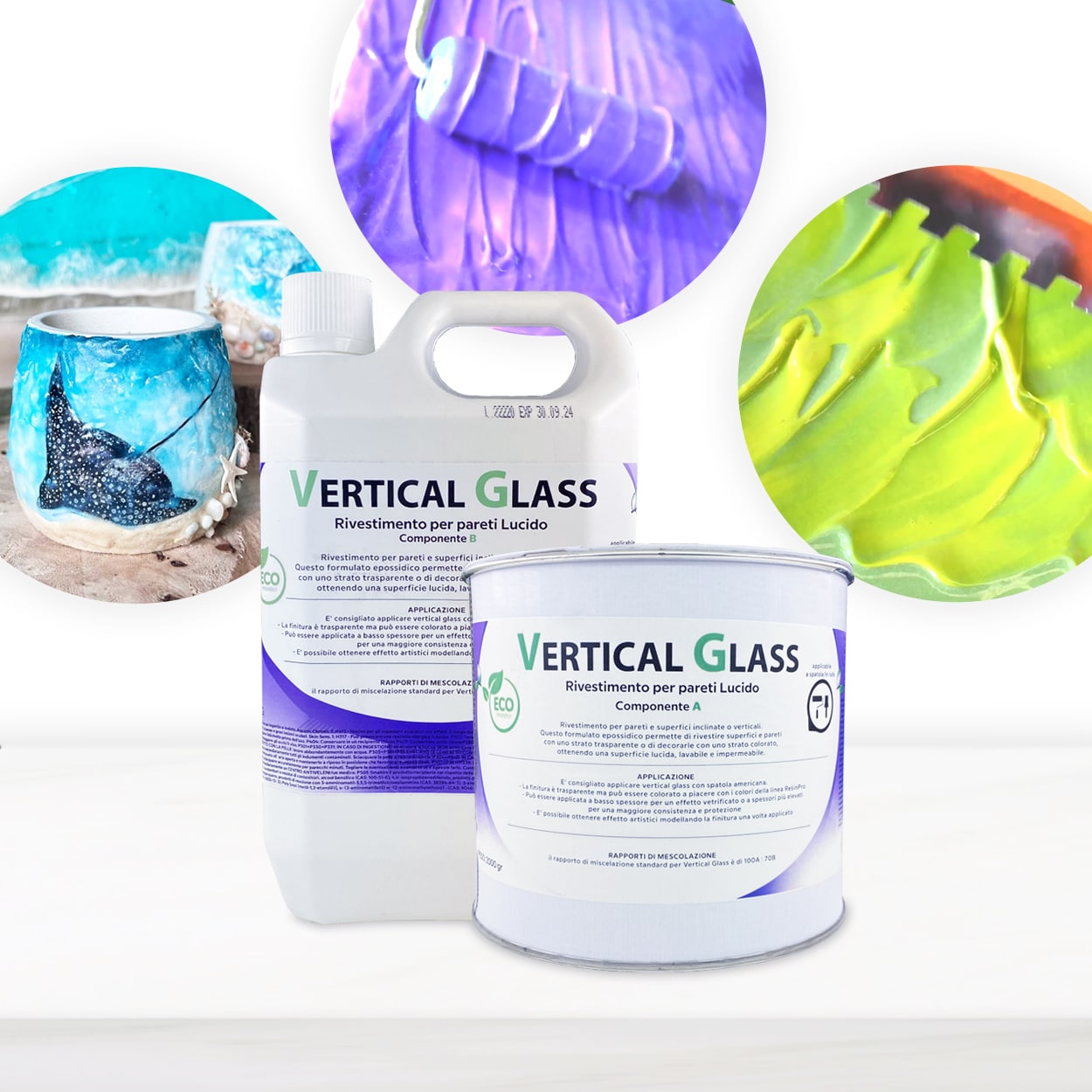

When it comes to decorative surfaces, it’s important to pick the right type of epoxy resin for each project. Epoxy systems are formulated differently for walls and pebble flooring, each optimised for their specific job—ensuring longevity, visual appeal, and function.
Wall Epoxy: Creative, Durable Finishes for Vertical Surfaces
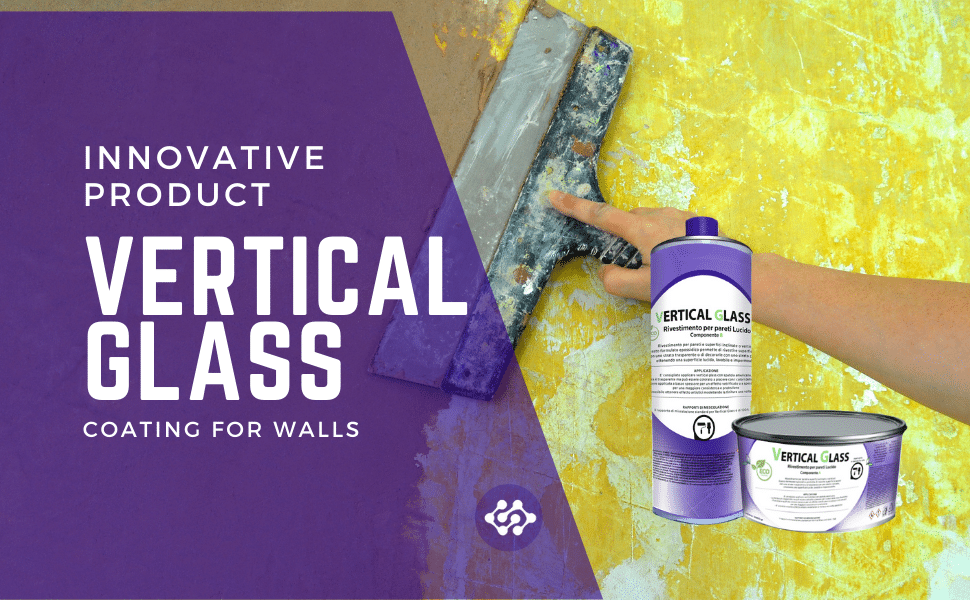
Wall epoxy, such as “Vertical Glass”, is specially formulated to stay in place on vertical or sloping walls. This resin does not self-level, allowing it to preserve textured designs and patterns that might otherwise run or flatten. It provides a glossy and easily washable finish, ideal for kitchens, bathrooms, and decorative feature walls. Wall epoxies can be tinted with pigments—including metallics—for truly personalised results, and can be applied to various surfaces like tiles, wood, cement, and brick.

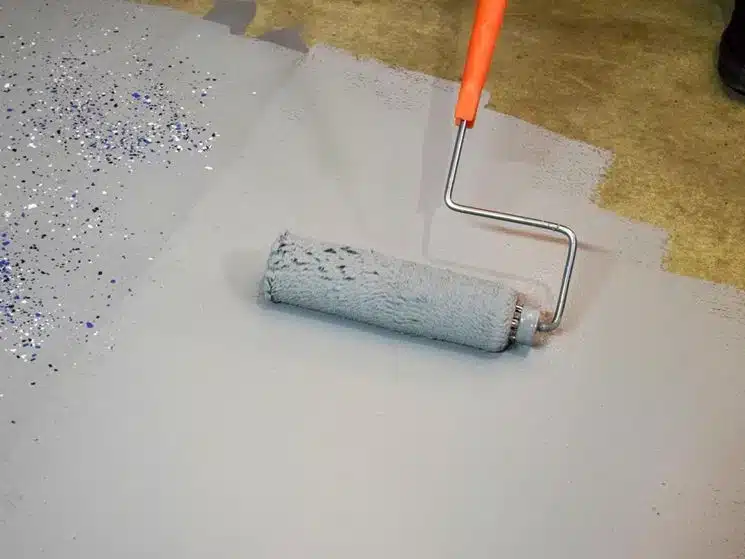
Pebble Floor Resin: Binding Strength for Decorative, Permeable Flooring
Pebble floor resin, such as the “Trasparente” Epoxy Binder for Coloured Pebbles and Grits, is made to bind aggregates—like pebbles or decorative grit—creating strong, stable, and permeable surfaces. This resin is designed to flow around and lock in stones, resulting in a clear, bubble-free, robust surface suited for driveways, paths, or decorative indoor spaces. Its UV resistance helps preserve the appearance of coloured or dark aggregates over time.
When the Difference Matters
- Choose wall epoxy for artistic effects, waterproofness, and easy maintenance on vertical surfaces.
- Opt for pebble floor resin when you need resilience and permeability, especially for decorative stone floors or outdoor surfaces.
Related products
Related guides
Knowing these differences helps ensure your decorative project lasts and looks its best. Whether you’re creating a standout wall or a unique stone floor, understanding where each epoxy excels links back to making the most out of epoxy enamel in every area. For more on where epoxy enamel is used, see our main guide.