 Free shipping on orders over £29,85
  Shipping Tracking!


 Google
 Facebook
Where is epoxy enamel used?
Explore applications for floors, walls, art, and decorative features
Epoxy enamel is valued for its durability, clarity, and versatility—qualities that make it a popular choice for a wide range of surfaces and decorative finishes across domestic, commercial, and creative environments. This guide is designed for professionals, DIY enthusiasts, and artists seeking to understand the practical uses of epoxy enamel, the differences between leading resin systems, and how to select the most suitable product for your intended application.
Major Uses and Comparison of Epoxy Enamel Applications
Epoxy enamel can be found in numerous settings, including high-traffic floors, waterproof decorative walls, detailed castings, and vibrant pebble or aggregate floors. Each system excels in specific areas due to its formulation and application method:
- Epoxyprimer is ideal for preparing a stable, primed base on diverse substrates, enhancing the success of floor coatings and further resin layers.
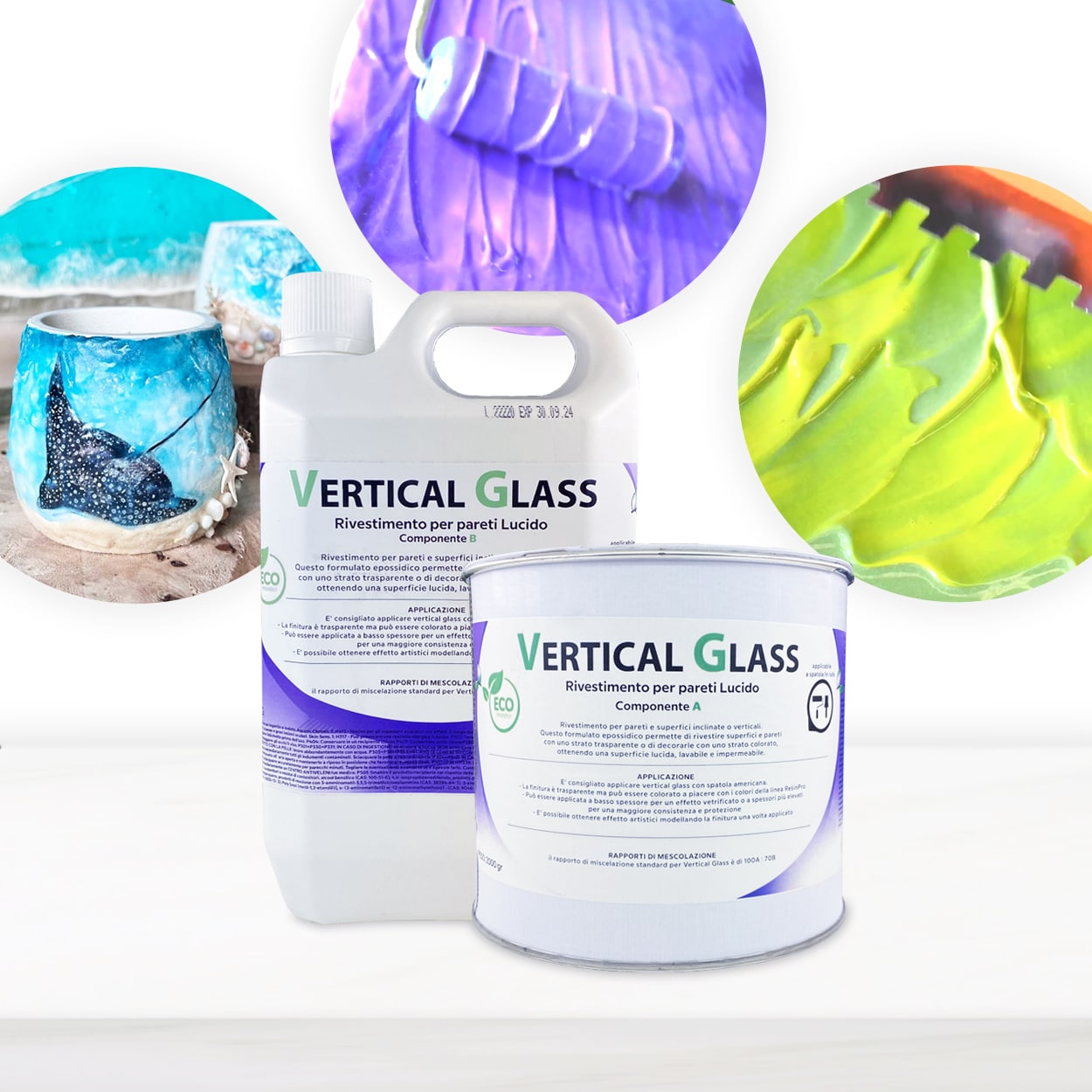
- Vertical Glass caters to vertical or sloping decorative surfaces, offering high gloss, custom finishes, and water resistance—perfect for kitchens and bathrooms.
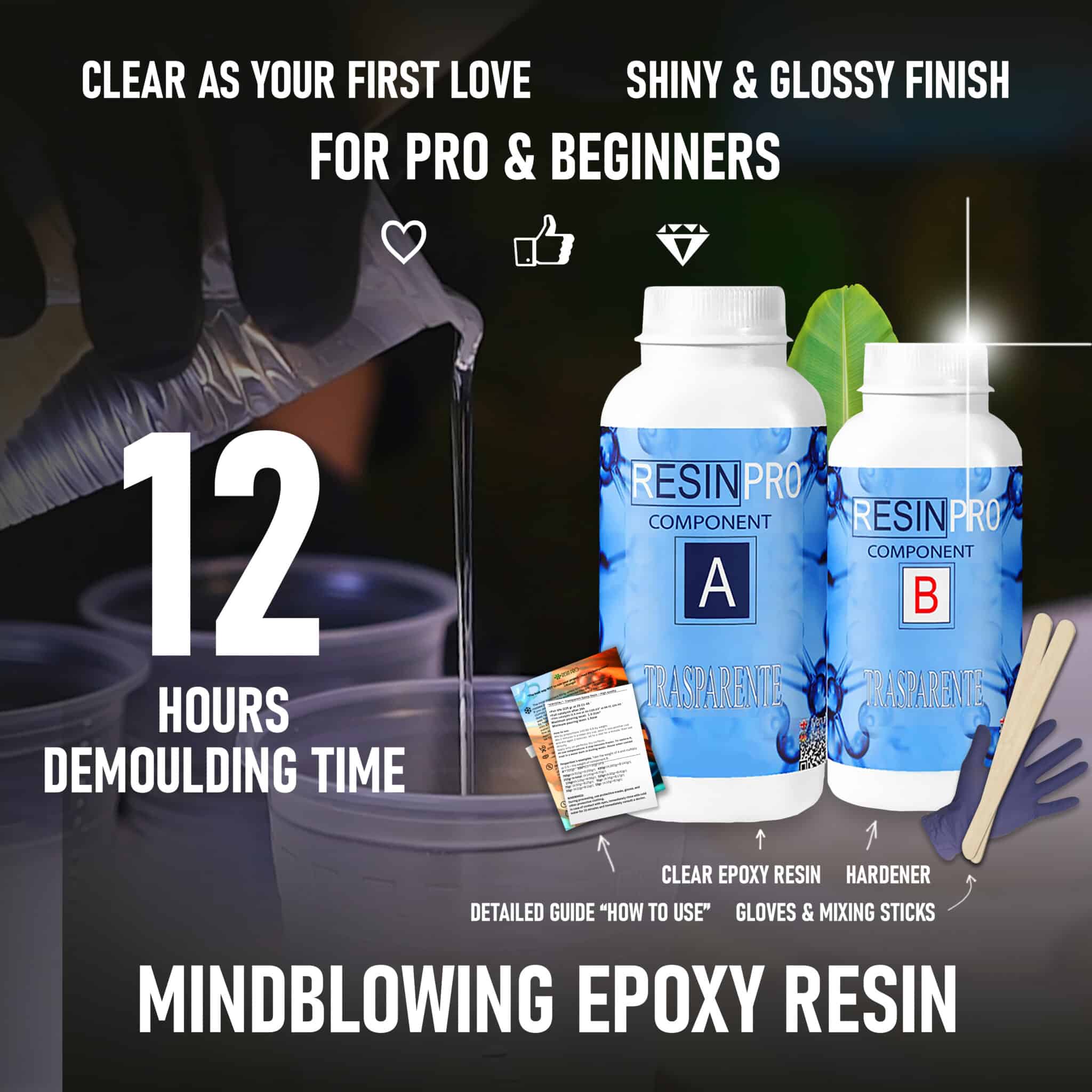
- For detailed casting and protective artistic surfaces, Trasparente delivers outstanding clarity and a smooth finish.
- The Epoxy Binder for Coloured Pebbles and Grits creates visually striking, durable, and UV-stable aggregate floors indoors or outdoors.

See Epoxy Enamel in Action
Discover examples of epoxy enamel on floors, vertical surfaces, and creative castings across home and commercial projects. Get inspired by real-life applications showcasing gloss, clarity, and vibrant colour effects on a variety of finishes.
Universal Floor Preparation: “Epoxyprimer” – Universal Water-Based Two-Component Epoxy Floor Primer
The “Epoxyprimer” – Universal Water-Based Two-Component Epoxy Floor Primer is the foundation for successful epoxy flooring projects. Formulated to bond with concrete, screed, tiles, and wood, this primer ensures maximum adhesion and lasting results. Its odourless, water-based formula is safe for indoor use, and the easy roller or brush application method delivers consistent results for both professionals and DIYers. A strong primer layer translates to a more resilient and attractive epoxy enamel finish on floors in homes, commercial environments, and workshops.
Decorative Walls & Wet Areas: “Vertical Glass” – Thick Resin Decorative Wall Coating
For vertical surfaces, “Vertical Glass” – Thick Resin Decorative Wall Coating is engineered for impact, moisture resistance, and design flexibility. Apply it easily to tiles, cement, brick, or wood to create glossy, personalised walls that withstand daily wear in kitchens, bathrooms, or feature interiors. This system is distinguished by its pigment compatibility, allowing for striking colours and metallic effects. Choose thin layers for a seamless vitrified look or thicker applications for extra durability in high-use spaces where epoxy enamel’s protective features are in demand.
Protective & Artistic Castings: “Trasparente” – Multipurpose Clear Epoxy Resin for Casting – Up to 2cm
When projects demand ultra-clear, self-levelling, and highly scratch-resistant finishes, “Trasparente” – Multipurpose Clear Epoxy Resin for Casting – Up to 2cm is an excellent choice. Ideal for creative art pieces, small tabletops, castings, and restoration work, it delivers a professional finish with superior UV stability. Its suitability for depths up to 2 cm makes it versatile enough for both professionals making display pieces and hobbyists crafting bespoke items needing a crystal-clear or enamel-like surface.
Decorative Aggregate & Pebble Floors: “Trasparente” – Epoxy Binder for Coloured Pebbles and Grits
To transform driveways, permeable floors, and modern landscape features, “Trasparente” – Epoxy Binder for Coloured Pebbles and Grits offers a crystal-clear resin engineered for strong, UV-stable bonding with coloured or dark stones. Its low viscosity promotes quick and efficient mixing with aggregates, and its non-toxic formula (once cured) is safe for external and internal decorative flooring. Where visual clarity and weather resistance are paramount, this epoxy binder is a reliable choice for residential and commercial pebble floors.
Choosing the Right Epoxy Enamel for Your Project
When deciding which epoxy enamel system to use, consider key factors such as surface orientation (horizontal vs vertical), substrate material, exposure conditions (traffic, humidity, or UV), and desired visual impact. Floors and heavy-duty surfaces benefit from robust primers and binders, while walls and artistic projects call for coatings with design flexibility and clarity. Using the correct system for your substrate and environment ensures both visual quality and long-term performance.
Pro Tips for Working with Epoxy Enamel
Follow correct prep, mixing ratios, and application techniques to avoid surface defects and maximise durability. Use tape and protective covers for clean edges, and ensure thorough curing for water resistance and adhesion. Browse Multipurpose Epoxy Resins for creative flexibility.

- "Epoxyprimer" – Universal Water-Based Two-Component Epoxy Floor PrimerPrice range: £156.45 through £286.45Epoxyprimer is a water-based two-component epoxy primer designed for reliable adhesion on concrete, timber, tiles, and screeds.
- "Vertical Glass" – Thick Resin Decorative Wall CoatingPrice range: £78.95 through £188.95Vertical Glass resin wall coating offers a customisable, waterproof finish suitable for creative interior surfaces in a relevant epoxy enamel context.
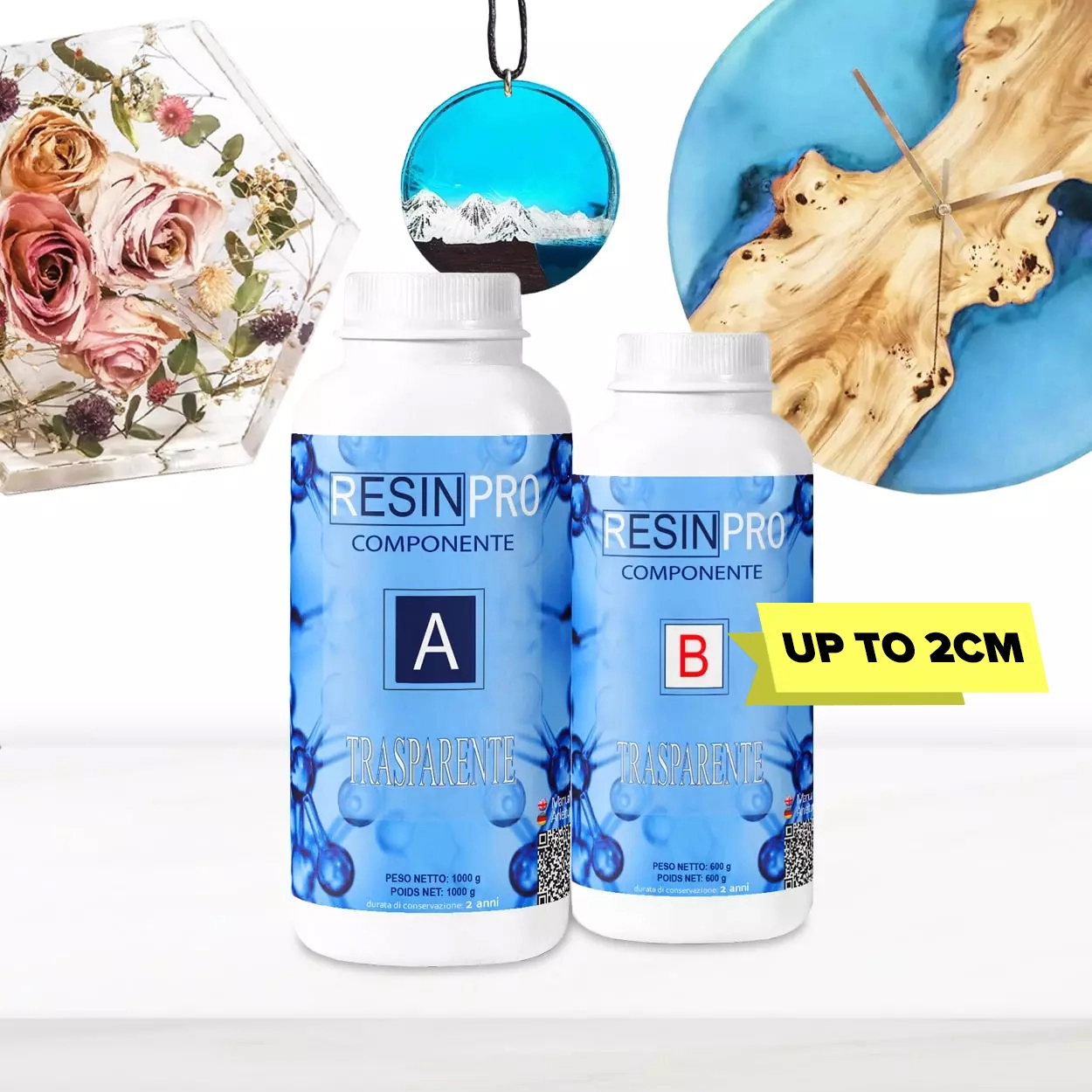 "Trasparente" – Multipurpose Clear Epoxy Resin for Casting – Up to 2cmPrice range: £8.95 through £397.95The "Trasparente" clear epoxy resin is suitable for DIY and professional projects requiring up to 2cm depth and a glossy, self-levelling finish.
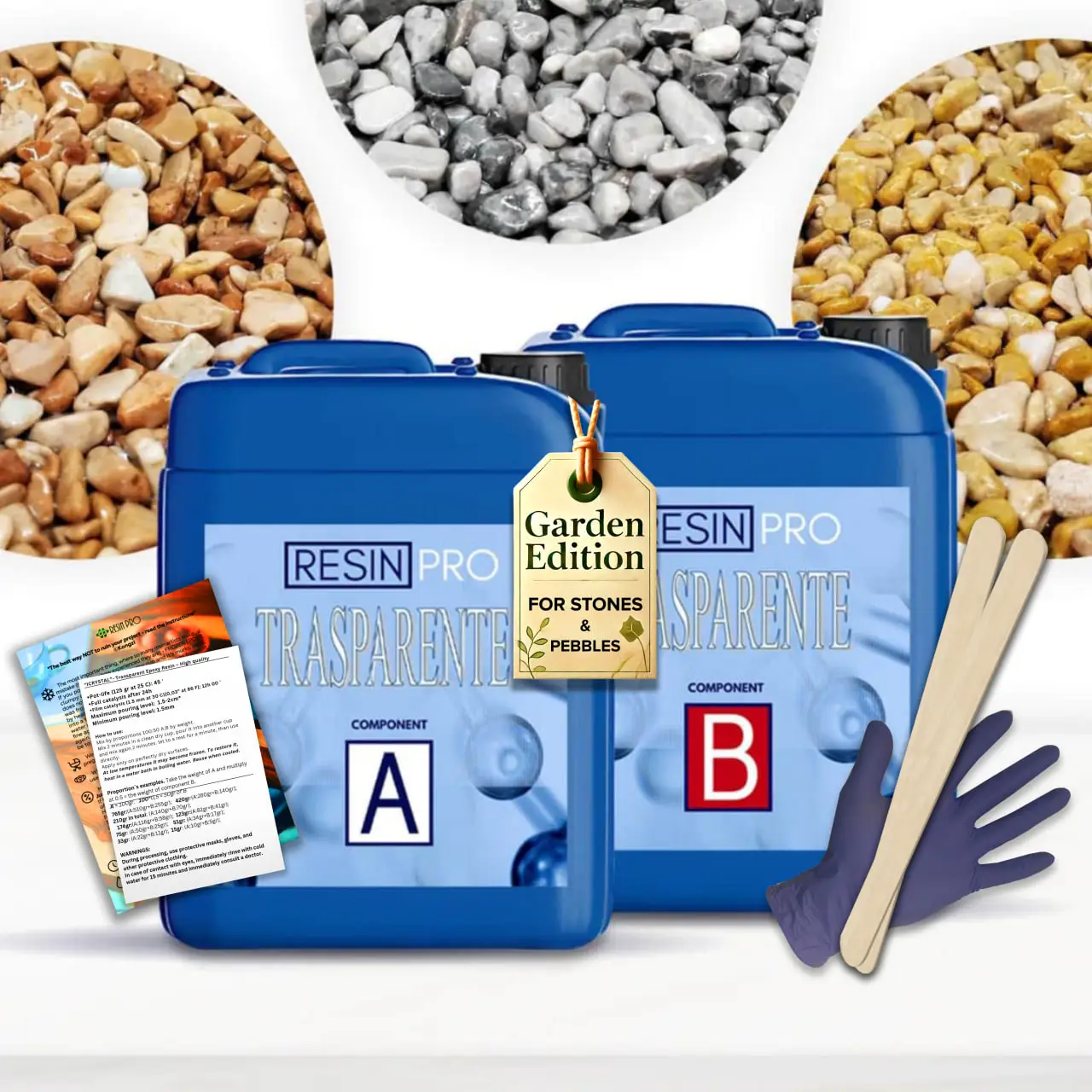 "Trasparente" – Epoxy Binder for Coloured Pebbles and GritsPrice range: £33.45 through £397.95"Trasparente" is a transparent epoxy binder designed for coloured pebbles and grits with UV resistance, suited for durable floor finishes.
Frequently Asked Questions
What are the most common surfaces for epoxy enamel?
Floors, walls (especially in kitchens and bathrooms), and artistic castings are prime choices for epoxy enamel applications.
Is a primer necessary before applying epoxy enamel on floors?
Priming improves adhesion and durability, making it essential for new installations or when coating porous substrates.
How does wall epoxy differ from pebble floor resin?
Wall epoxy is designed for vertical, washable surfaces and creative effects, while pebble floor resin binds aggregates for durable, permeable flooring.
Which epoxy enamel is used for casting art or items up to 2cm thick?
A clear, self-levelling epoxy like 'Trasparente' is suitable for castings and small tables with up to 2cm thickness.
Does epoxy enamel provide waterproof and mould resistance?
Yes, once cured, epoxy enamel forms a waterproof, mould-resistant surface ideal for bathrooms, kitchens, and wet rooms.
Can epoxy enamels resist yellowing from sunlight?
Some epoxy enamels include UV filters that greatly reduce yellowing, especially for decorative and outdoor projects.