 Free shipping on orders over £29,85
  Shipping Tracking!


 Google
 Facebook
← Back to How do you apply epoxy grout?

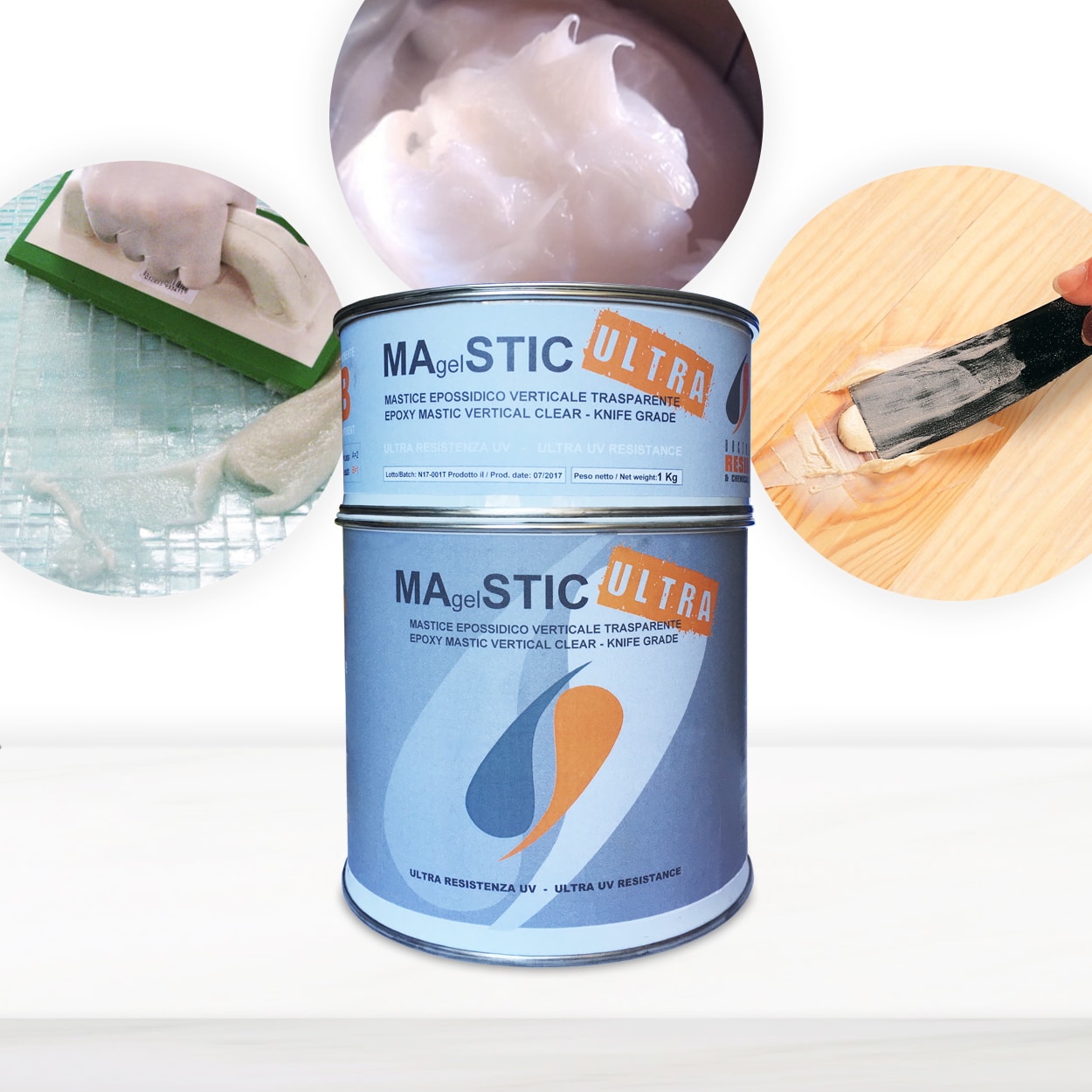
If you are preparing to grout with epoxy, understanding whether a primer is needed is crucial for achieving a firm, long-lasting bond—especially when working on porous surfaces like concrete, screed, or timber.
Why Consider a Primer Before Epoxy Grouting?
Primers play a key role when grouting on absorbent substrates such as screed, concrete, and timber. Applying a suitable primer, such as Epoxyprimer, helps seal the surface and creates a stable base. This step improves adhesion between the substrate and the epoxy grout, minimising the risk of weak patches, bubbles, or poor coverage.
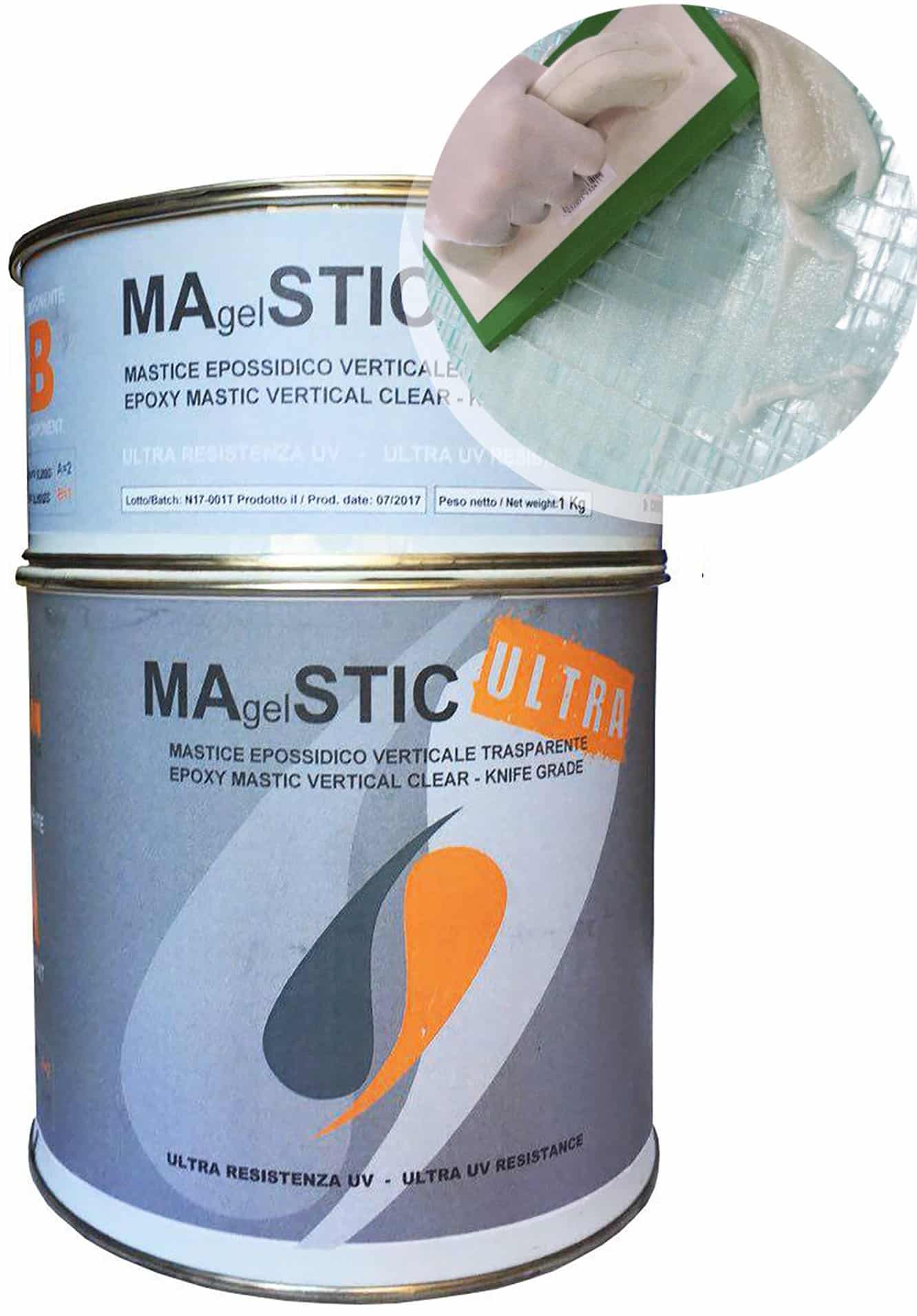
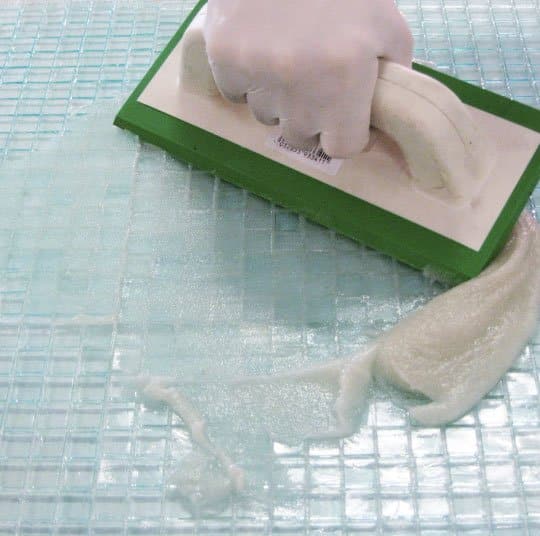
How to Prepare and Prime Porous Surfaces
Begin by ensuring the area is dry, clean, and free of dust or oils. Apply the primer evenly using a roller, brush, or spatula. Water-based epoxy primers are easy to work with and suitable for a variety of indoor substrates. Allow the primer to cure thoroughly—typically 24 to 48 hours at room temperature—before applying your epoxy grout. This waiting period ensures a strong chemical bond is formed.
When is Primer Essential?
- On porous substrates: Concrete, screed, or timber floors benefit most from priming to prevent grout absorption and weak bonding.
- For professional results: Primer is highly recommended if you want a smooth, blemish-free finished surface.
If you are working with non-porous materials such as glazed tiles or metal, primer use may be less critical, but always follow product-specific recommendations.
Related products
Related guides
Ensuring a reliable foundation with a suitable primer gives your epoxy grout its best chance of lasting durability and professional quality. To learn more about correct epoxy grout application, visit our main guide here.