 Free shipping on orders over £29,85
  Shipping Tracking!


 Google
 Facebook
← Back to Where is epoxy enamel used?


Proper floor preparation is vital for durable, attractive epoxy enamel finishes. A common question is whether you need to use a primer before applying epoxy enamel on floors. Here’s what to consider and why priming is an important step.
Why Priming Matters for Epoxy Enamel Floors
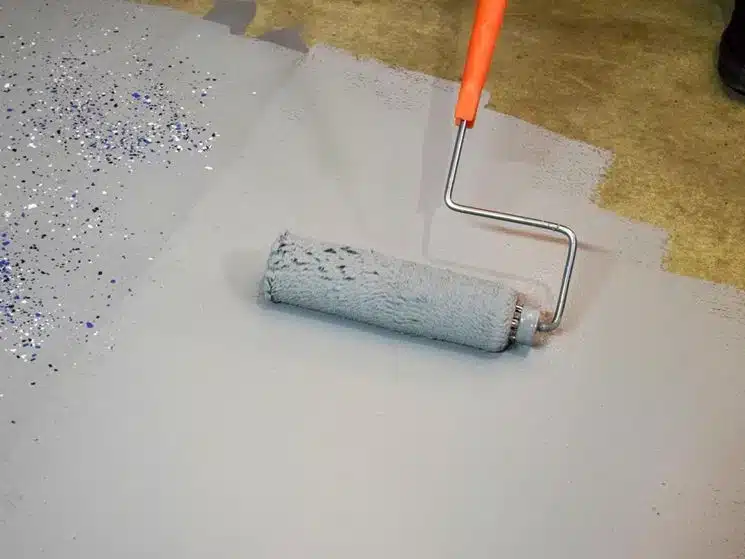
Using a primer before epoxy enamel boosts adhesion and promotes even coverage. Floors—especially new installations or porous substrates like concrete, timber, screeds, and tiles—can absorb moisture or dust, affecting the epoxy’s grip and longevity. Priming creates a stable base layer that binds the substrate and enamel together, helping to resist peeling, bubbling, or uneven curing over time.
Choosing and Applying the Right Primer
Select a primer compatible with your substrate for best results. For universal use, products like Epoxyprimer are well-suited to concrete, wood, tiles, and screeds, offering both versatility and eco-friendly, low-odour benefits. Apply the primer with a roller, brush, or spatula to ensure full coverage; allow 24–48 hours for complete curing before continuing with your epoxy enamel system.
When Is Priming Particularly Important?
- New or unsealed floors: Fresh concrete or screed requires priming to manage porosity and prevent absorption.
- Porous or dust-prone surfaces: Absorbent or crumbly floors benefit greatly from primer, improving bonding and stability.
- Preparing for heavy traffic or wear: Primer enhances durability for areas subject to frequent use.
Related products
Related guides
Starting your epoxy enamel floor with a proper primer is the key to lasting beauty and performance. It lays a stable foundation, making the most of your chosen floor system. Explore more on substrate preparation and epoxy enamel application at our main guide: Where is epoxy enamel used?.