 Free shipping on orders over £29,85
  Shipping Tracking!


 Google
 Facebook
← Back to How are resin bells made?


Whether you’re casting resin bells or embarking on other creative resin projects, you may wonder if a release agent is needed when working with silicone moulds. The right approach ensures your creations release smoothly, preserving intricate details and saving valuable time.
When Is a Release Agent Necessary?
For basic shapes or moulds with gentle curves, using a release agent on silicone moulds is usually unnecessary. Silicone’s non-stick properties are sufficient for easy demoulding in most simple projects. However, when your designs are highly detailed or feature undercuts and fine textures, applying a thin layer of mould release can make a significant difference. This is especially helpful to protect delicate patterns from tearing or sticking as you remove the cured resin.
How to Apply Release Agent Correctly
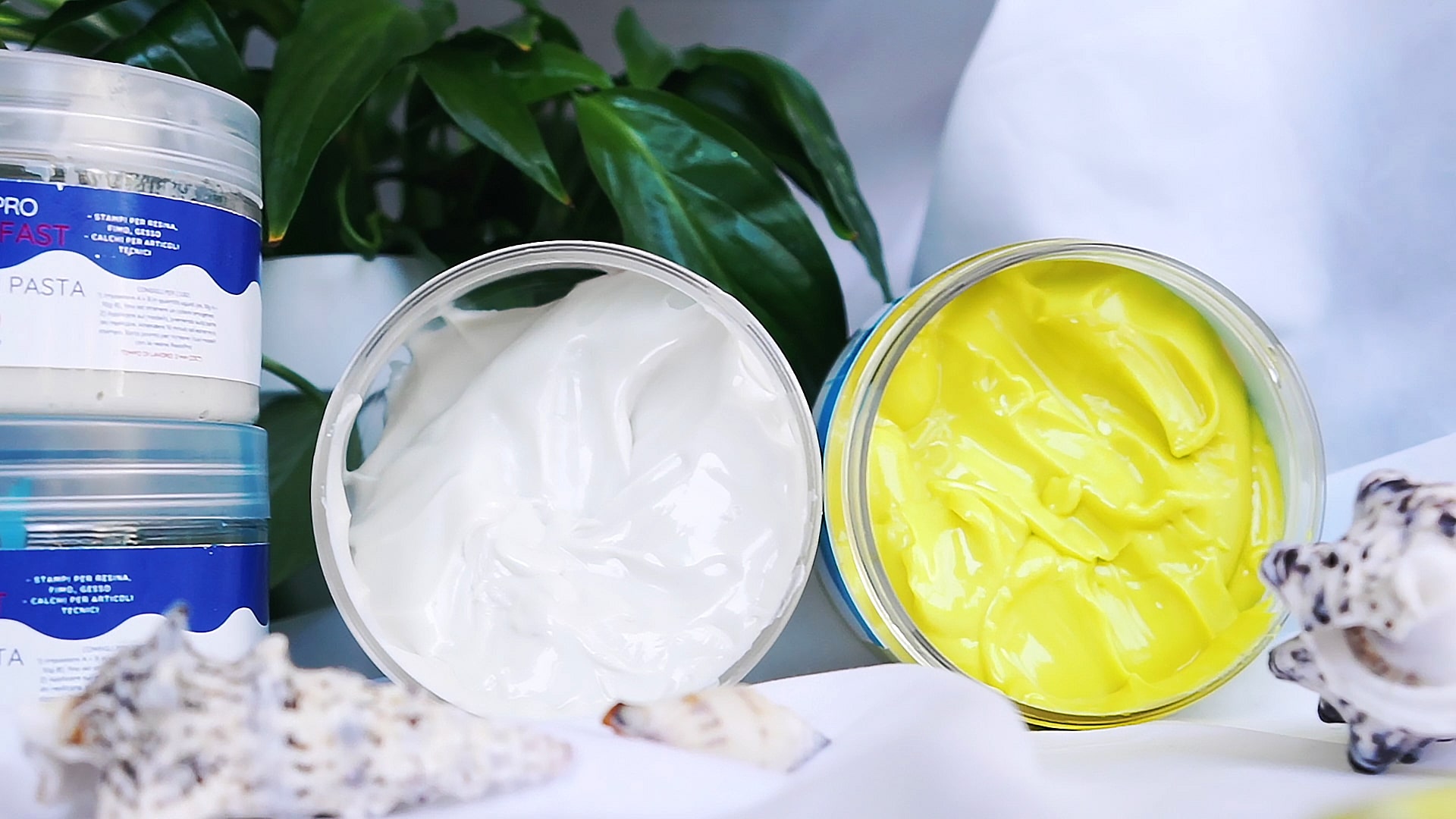
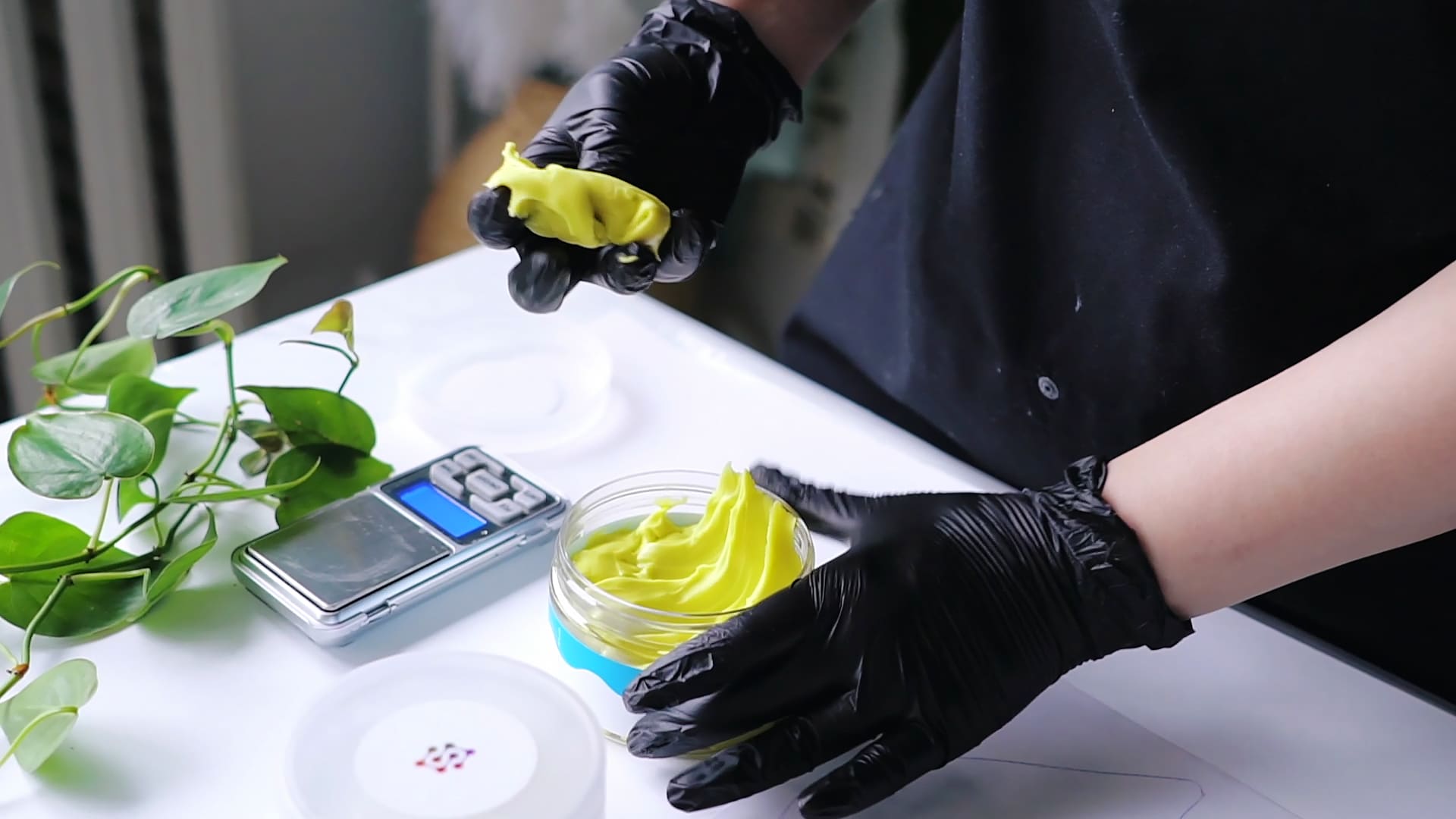
If your project would benefit from a release agent, opt for a formulation compatible with both silicone and resin—typically available as sprays or brush-ons. Apply a very light, even coat inside the mould, then allow it to dry thoroughly before pouring resin. Avoid over-application, as excess release agent may affect the surface quality of your finished piece. If you’re using a dedicated mould putty like “I–Gum” – Non-Toxic Silicone Putty for Mould Making, the clean, flexible surfaces often require no additional release unless the shape is particularly complex.
Choosing the Right Resin and Mould Combination
Your demoulding experience also depends on the resin type and mould quality. High-quality, flexible silicone moulds paired with medium viscosity resins, such as “One-2-One” epoxy, generally make release straightforward. For projects with fast-cure UV resin and themed moulds—like those in the UV Resin Kit with 5 Christmas Silicone Moulds—follow the same tips if working with intricate detail. Always ensure both mould and resin are clean and matched for compatibility to achieve the best results.

When This Matters Most
Choosing to use a release agent is most important when your silicone mould features very fine designs or challenging geometry. Skipping it for basic castings saves time, but when perfection is the goal or the mould is hard to replace, using a release agent gives extra peace of mind.
Related products
Related guides
Understanding when to use a release agent for silicone moulds ensures your resin bell projects and other crafts come out smoothly and just as intended. For more guidance on resin casting techniques, explore our main page on how resin bells are made.