 Free shipping on orders over £29,85
  Shipping Tracking!


 Google
 Facebook
← Back to Where to Buy Silicone Resin for Minnowing
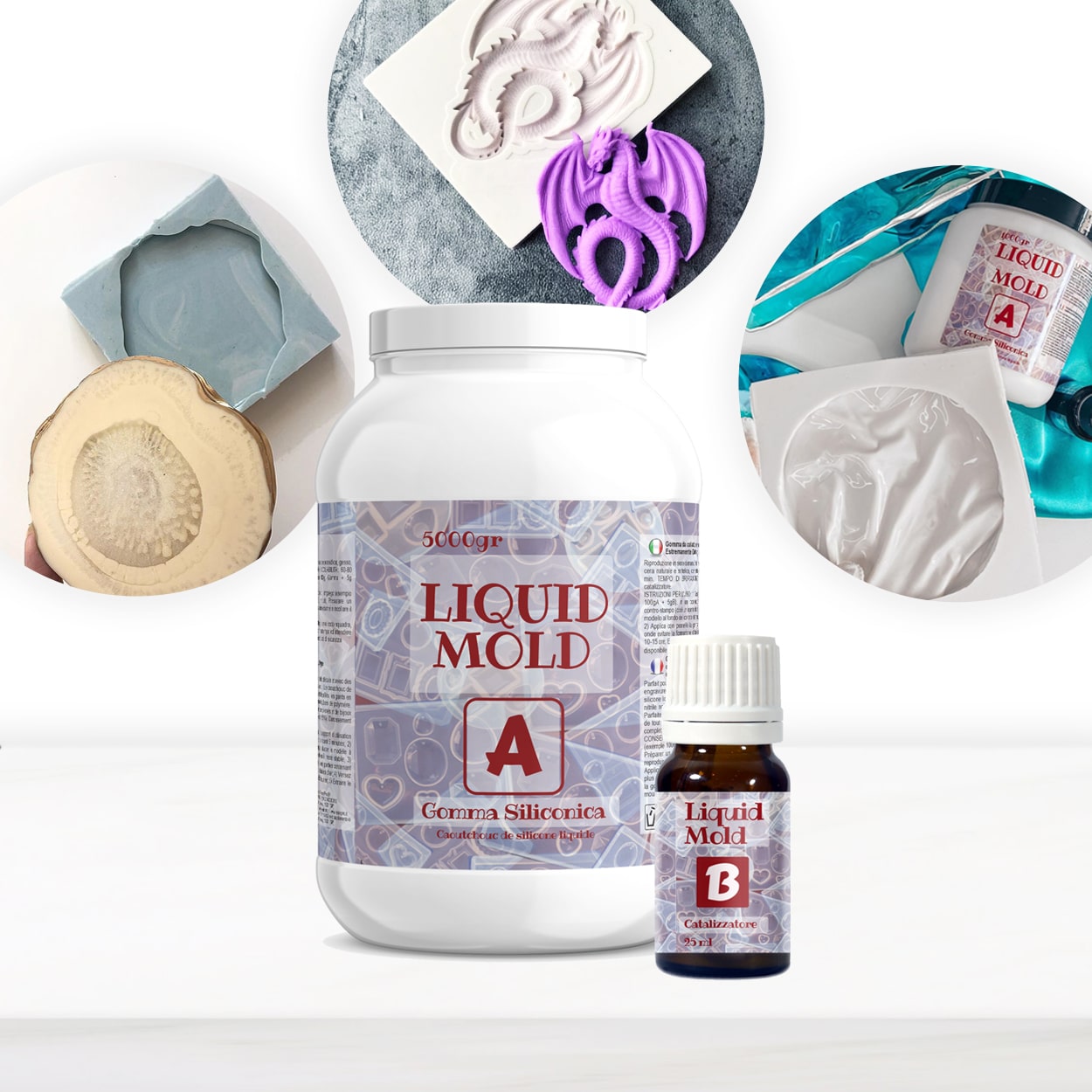
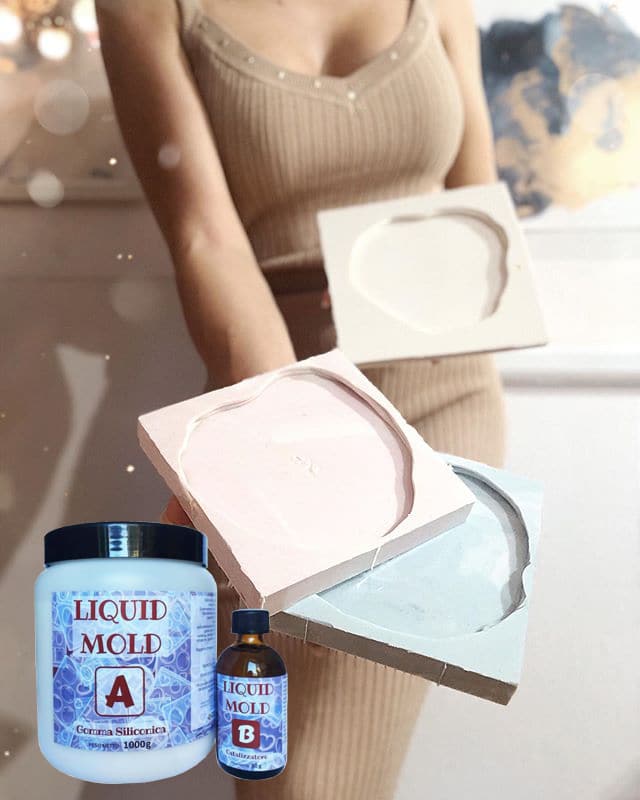
If you’re planning to make silicone moulds for minnowing or detailed casting, knowing whether a catalyst is required is key for success. The catalyst ensures the silicone cures perfectly into a flexible, detailed mould ready for multiple uses.
Why Bi-Component Silicones Need a Catalyst
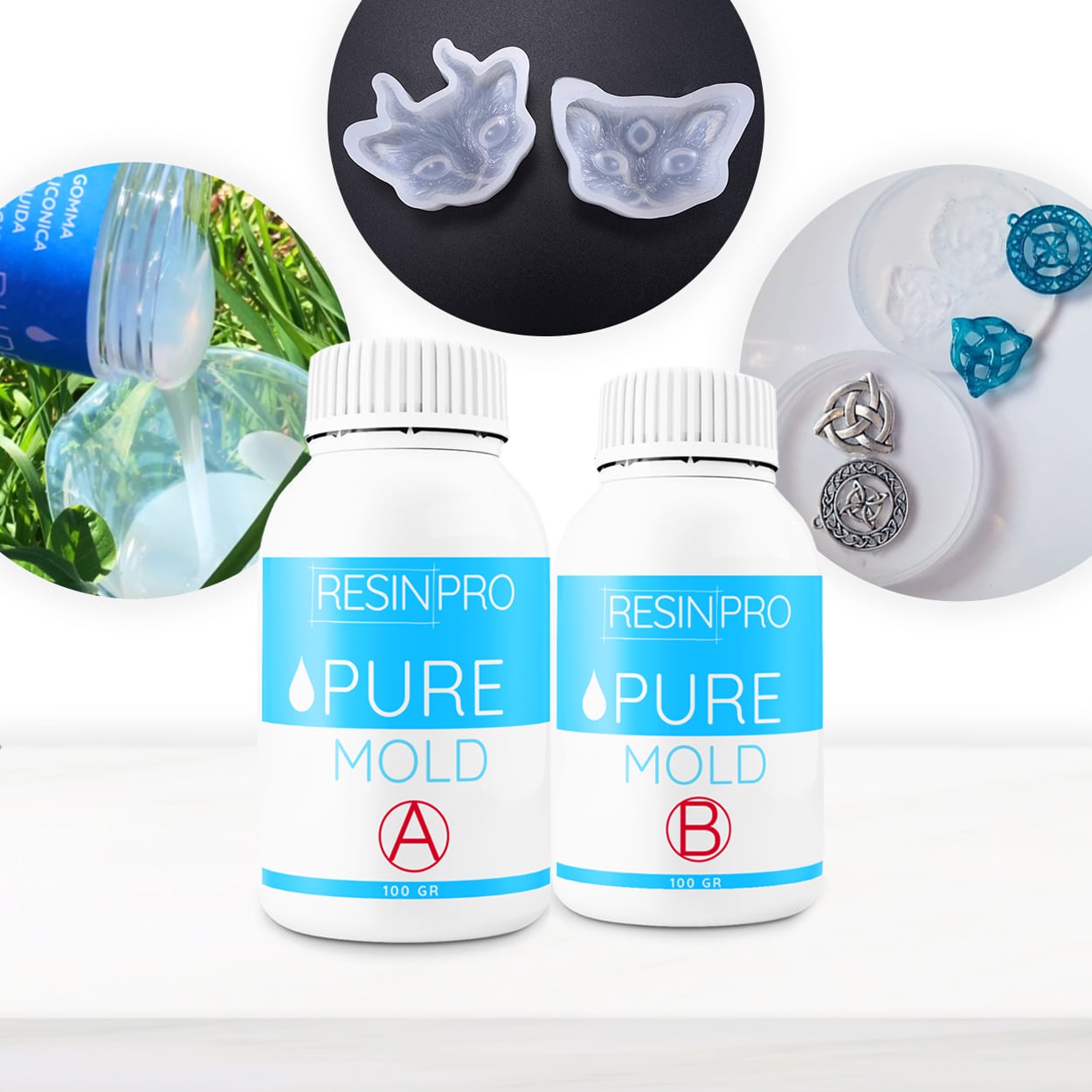
All bi-component (two-part) silicone rubbers rely on a catalyst—usually called Part B or activator. When Part A (base) and Part B (catalyst) are correctly combined, a chemical reaction takes place that turns the liquid silicone into a solid, yet flexible, mould. Skipping the catalyst or not measuring accurately will prevent your mould from curing and can ruin your project.
For example, products like “Liquid Mould” Casting Liquid Silicone Rubber specifically require you to add the catalyst before pouring. Always check manufacturer guidance for the right ratio—common proportions include 1:1 or as stated on your packaging.
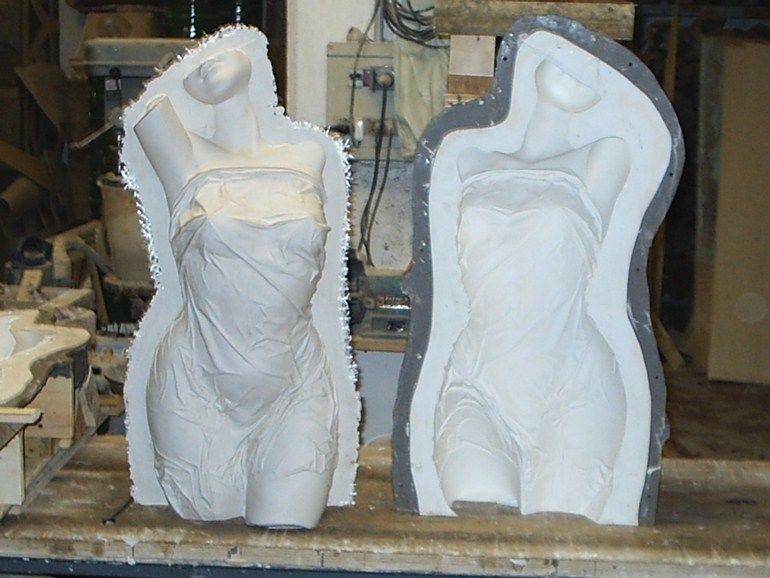
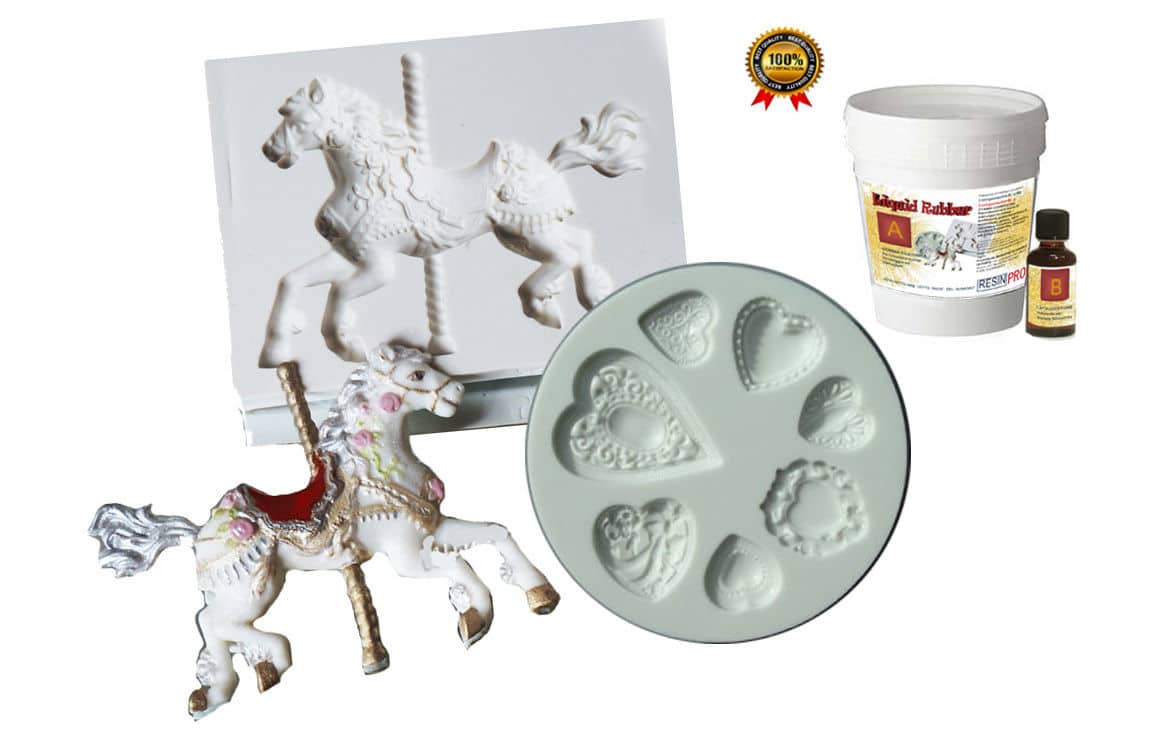
How to Mix and Use Silicone Resin Correctly
Before you start, prepare both components and use clean, dry tools. Pour the appropriate amounts of resin and catalyst into a mixing container. Stir slowly and thoroughly, scraping the sides and bottom to ensure a fully blended mix. Incomplete mixing can result in soft spots or uncured patches in your finished mould.
- Follow the recommended mixing ratio exactly—don’t guess.
- Pour immediately after mixing to maximise flow and capture details.
- Allow the mould to cure as per the instructions; curing times can range from a few hours to overnight depending on the formula.
When This Matters Most
Adding catalyst is vital when you’re casting highly detailed or complex items, such as minnows or small figurines, since proper curing is essential to capture fine undercuts and intricate features. For anyone producing multiple reproductions or working with a range of casting materials, reliable curing ensures each piece is consistent and usable.
Related products
Related guides
Using a catalyst with silicone resins is a fundamental step for achieving strong, detailed, and reusable moulds—especially for applications in minnowing and model making. For more advice on selecting supplies or techniques, visit our main page on Where to Buy Silicone Resin for Minnowing.