 Free shipping on orders over £29,85
  Shipping Tracking!


 Google
 Facebook
← Back to How to make shaker resin
The temptation to demould your shaker resin early is understandable, but patience pays off. Removing resin from its mould too soon can leave you with a tacky or distorted piece, potentially wasting your hard work. Here’s how to get a flawless demould, every time.
Understanding Resin Curing Times
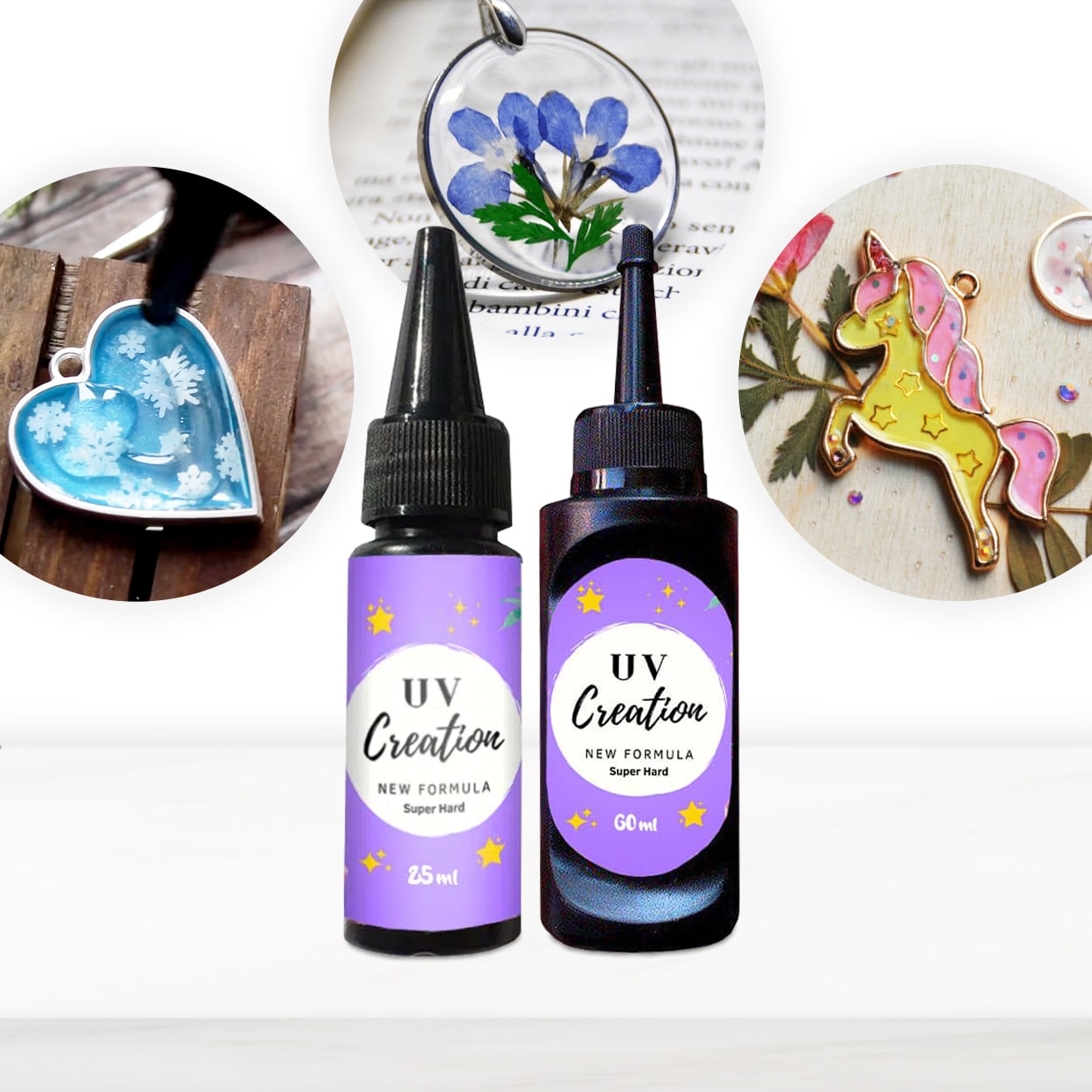
Different types of resin—such as UV resin and epoxy resin—have unique curing schedules. UV resin, like the “UV–Creation” resin, will harden within minutes under UV light, allowing quicker demoulding. Epoxy resins, such as the “One-2-One” system, typically need several hours (often overnight) to fully set and achieve their crystal-clear, glossy finish. Always refer to the manufacturer’s recommended cure time and remember that thicker pours or cooler environments can lengthen the process.
Spotting When Your Shaker Resin is Set
Avoid testing readiness by pressing or bending the casting, as this can distort soft resin. Instead, gently check the edges: if they feel firm and the piece easily separates from the mould, it’s likely safe to demould. If in doubt, give it extra time—a fully cured resin will release cleanly, without fingerprints or warping.
Practical Tips for Success
- Work in a room with a stable, moderate temperature—too cold and your resin will cure more slowly.
- For epoxy resins, leave the project undisturbed and covered to avoid dust and air bubbles.
- Use moulds made specifically for resin crafting for best release and clarity.
When Timing Really Matters
Demoulding too early is most critical in shaker resin projects, where pieces need to stay crisp and watertight. Rushing may lead to leaks or hazy finishes, so always err on the side of patience, especially with complex or sealed designs.
Related products
Related guides
Allowing your resin to cure properly ensures stylish, durable shaker creations that truly stand out. For more in-depth guidance and material recommendations, return to our main How to make shaker resin hub page.