 Free shipping on orders over £29,85
  Shipping Tracking!


 Google
 Facebook
How to make shaker resin
Shaker resin designs add a playful, interactive twist to keyrings, pendants, and charms. In this guide, you’ll learn how to make shaker resin—from preparing your mould to sealing in floating pieces—for professional, leak-free results. Whether you’re new to resin or refining your technique, this step-by-step tutorial covers every detail to get you started with confidence.
Create interactive resin designs with fun encapsulated effects
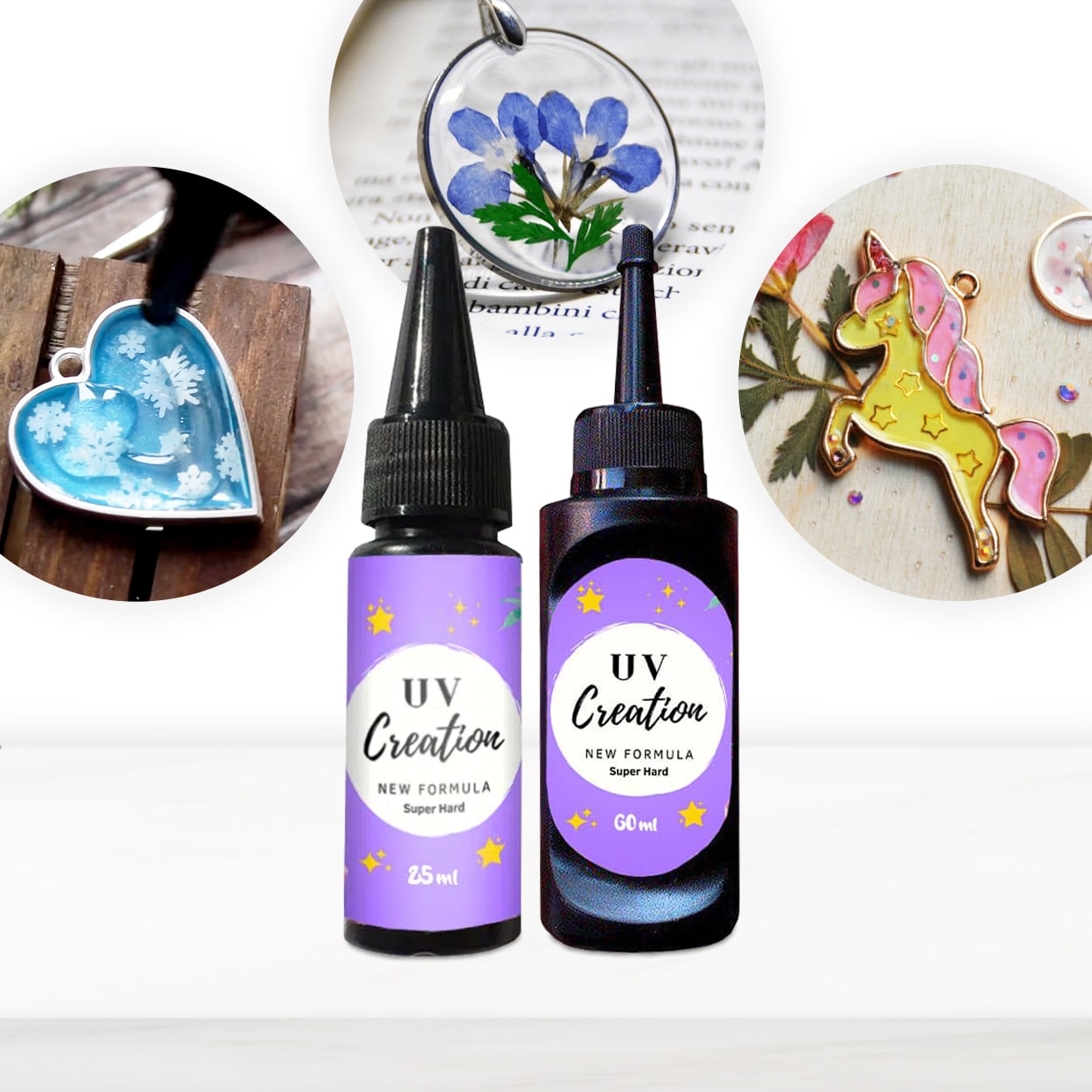

What You’ll Need
- “UV–Creation” – Fast Acrylic Resin, 3 Minute UV Cure or an epoxy resin such as “One-2-One” – Epoxy Resin for Handcraft, 1:1 Mixing Ratio
- Silicone shaker moulds or bezels (your preferred shape)
- Shaker accessories: sequins, glitter, mini beads, or glitter shapes
- Acetate film (transparent plastic sheet for the shaker window)
- Small scissors and a craft knife
- UV torch or lamp (if using UV-cure resin)
- Mixing cups and sticks
- Protective gloves and workspace cover
- Strong transparent glue or extra resin for sealing
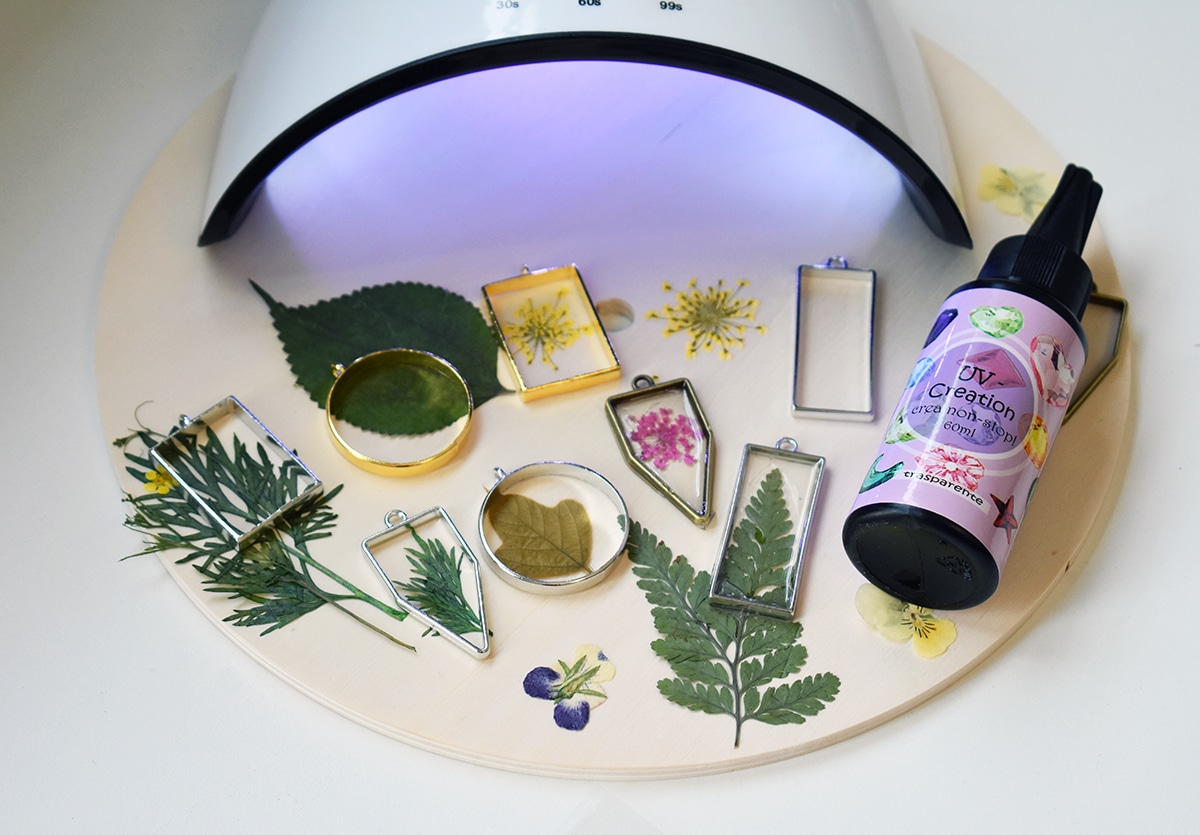
Visual Inspiration for Shaker Resin Techniques
Browse examples of finished shaker resin jewellery and charms to spark your creativity. Notice the clear windows, vibrant floating inclusions, and the variety of shapes and settings possible with different resins and accessories.
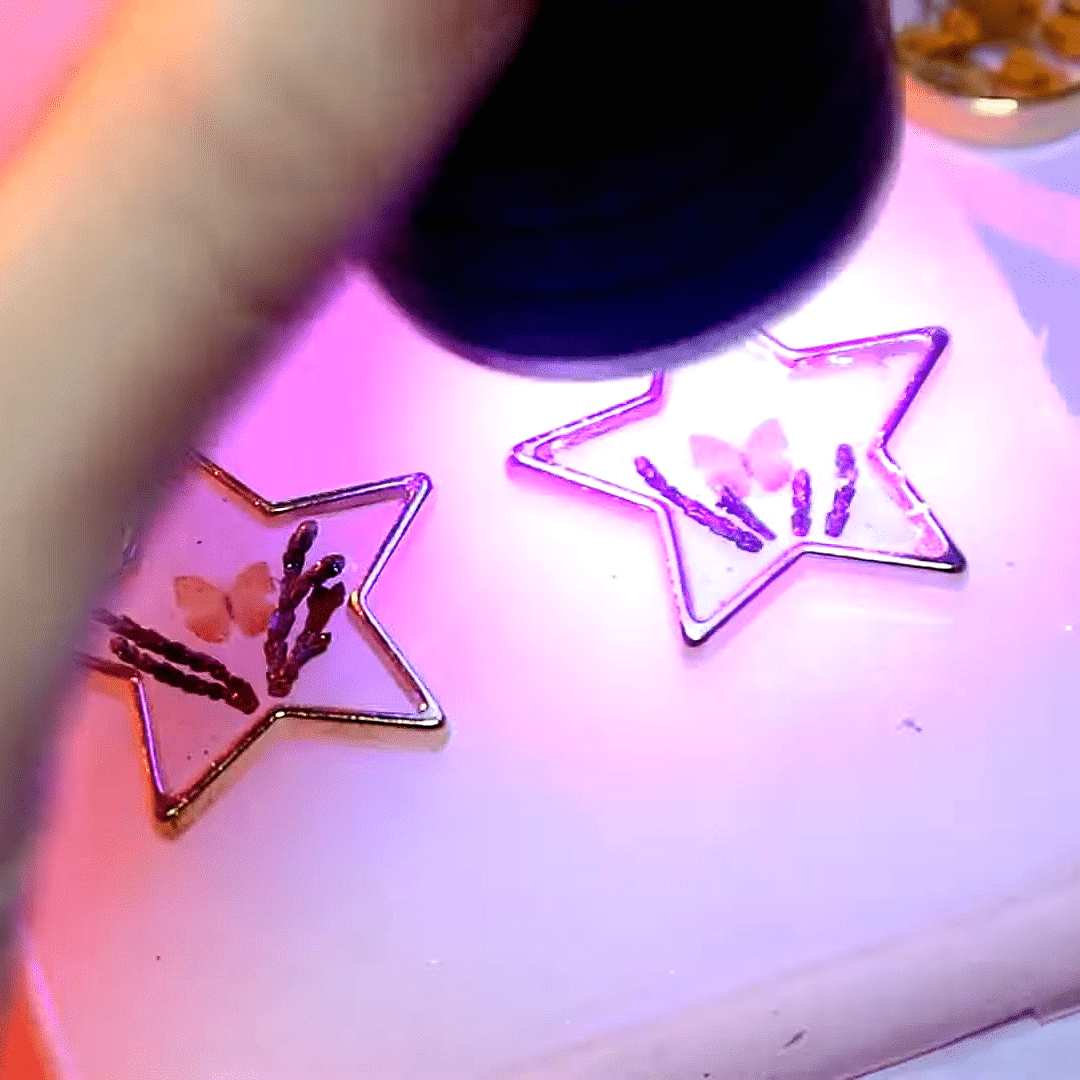
Step 1: Prepare Your Mould and Workspace
Start by cleaning your silicone mould thoroughly to remove any dust or residue. Set up your workspace on a flat, protected surface in a well-ventilated and dust-free area. Gather all your tools so they’re within reach, as the resin process can move quickly once started.
For UV resin projects, ensure you have a strong UV torch or lamp prepared for fast curing. If you’re using “UV–Creation” – Fast Acrylic Resin, 3 Minute UV Cure, keep the bottle capped until needed to prevent premature exposure to light.
Step 2: Mix and Pour the Resin
Carefully measure and mix your resin according to the manufacturer’s instructions. If you’re working with a 1:1 epoxy, such as “One-2-One” – Epoxy Resin for Handcraft, 1:1 Mixing Ratio, use equal parts by volume to avoid any sticky or improperly cured spots. Mix slowly to minimise bubbles. Crystal clear, bubble-free resin is essential for successful shakers.
Pour a thin layer of mixed resin into the bottom of your mould, gently spreading into corners. If desired, add your first layer of glitter, sequins, or inclusions. To achieve a domed look or create wells for the shaker’s interior, you may need to pour in stages, allowing initial layers to cure before adding more resin.
Step 3: Demould and Assemble the Shaker Window
Once the resin has fully cured—under UV light for fast-setting resins or according to time guidelines for epoxy—gently remove it from the mould. Handle carefully to avoid damaging edges. Cut a piece of acetate film slightly larger than the opening of your shaker cavity.
Layer your chosen shaker elements (e.g., beads, confetti, or small charms) inside the cavity. Place the acetate film over the opening and secure it with a thin bead of clear resin or high-strength glue. Cure or set as required based on the adhesive method. Seal the edges thoroughly to avoid leaks when the shaker is shaken.
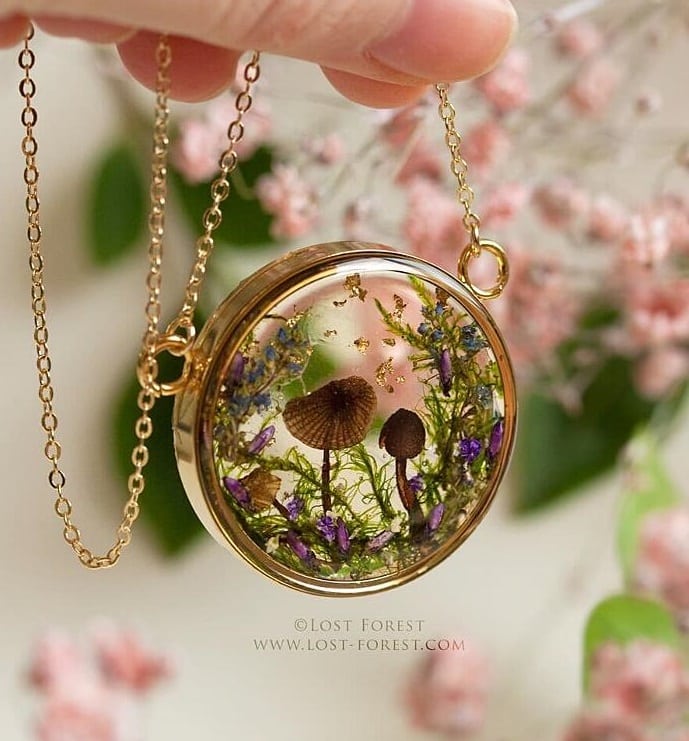
Step 4: Finish, Seal and Add Fittings
With the shaker window securely in place, carefully trim any overhanging acetate with scissors or a craft knife. If there are seams, add a thin layer of clear resin along the edge, curing with a UV lamp for UV resin or letting epoxy set fully. For best results, allow a final full cure before handling extensively. Do not demould too early as the resin may still be soft.
Attach jump rings, chains or keychain fittings once the item is fully set. Personalise with additional charms or paints if you wish.

Tips and Common Mistakes
Work in a dust-free environment for best results. Keep the surface covered during curing to avoid dust settling on the resin. Don’t overfill the cavity with shaker elements as they need room to move. Shaker resin pieces should be fully sealed to prevent leaks—double-check your seams and edges.
If bubbles appear, gently pass a flame or heat gun over the uncured resin to remove them. If your shaker leaks, seal again with a small amount of fresh resin or specialist glue, curing fully before use.
Examples of Common Pitfalls in Shaker Resin Crafting
View images showing issues like bubbles, dust, or leaky seams. These help you identify problems and improve your technique for perfectly clear, durable shaker pieces in your future resin projects.
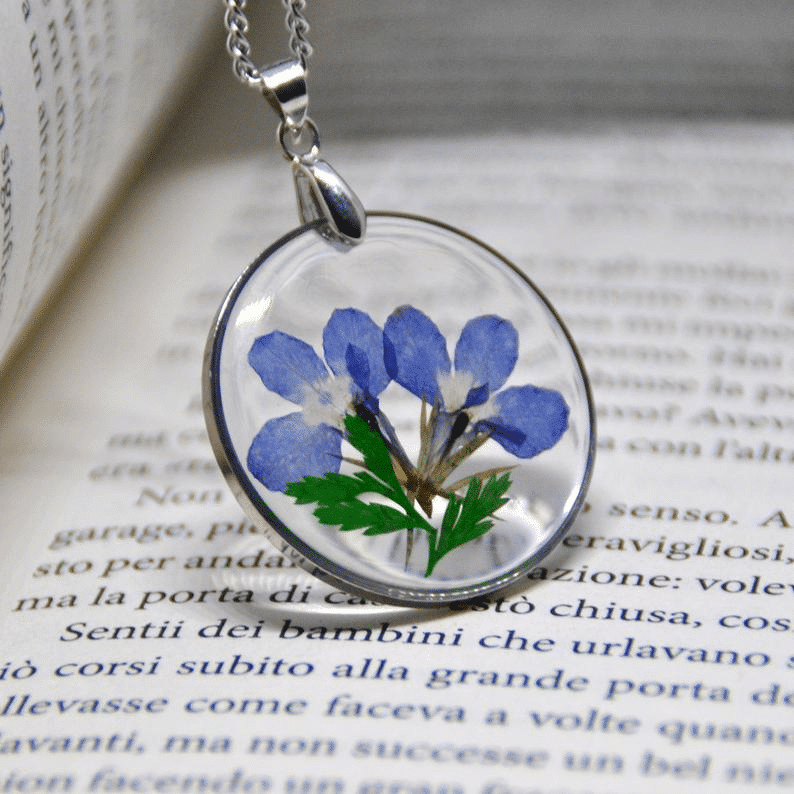
- "UV–Creation" – Fast Acrylic Resin, 3 Minute UV CurePrice range: £7.85 through £59.85"UV–Creation" is a ready-to-use UV gel resin curing in minutes, designed for jewellery makers seeking a clear and durable finish.
- "Evershine Collection" – Artisan Jewellery Epoxy Resin Kit with 100+ Accessories£20.85The "Evershine Collection" kit includes 500g crystal-clear epoxy resin with 1:1 mixing, plus over 100 accessories for resin jewellery crafting.
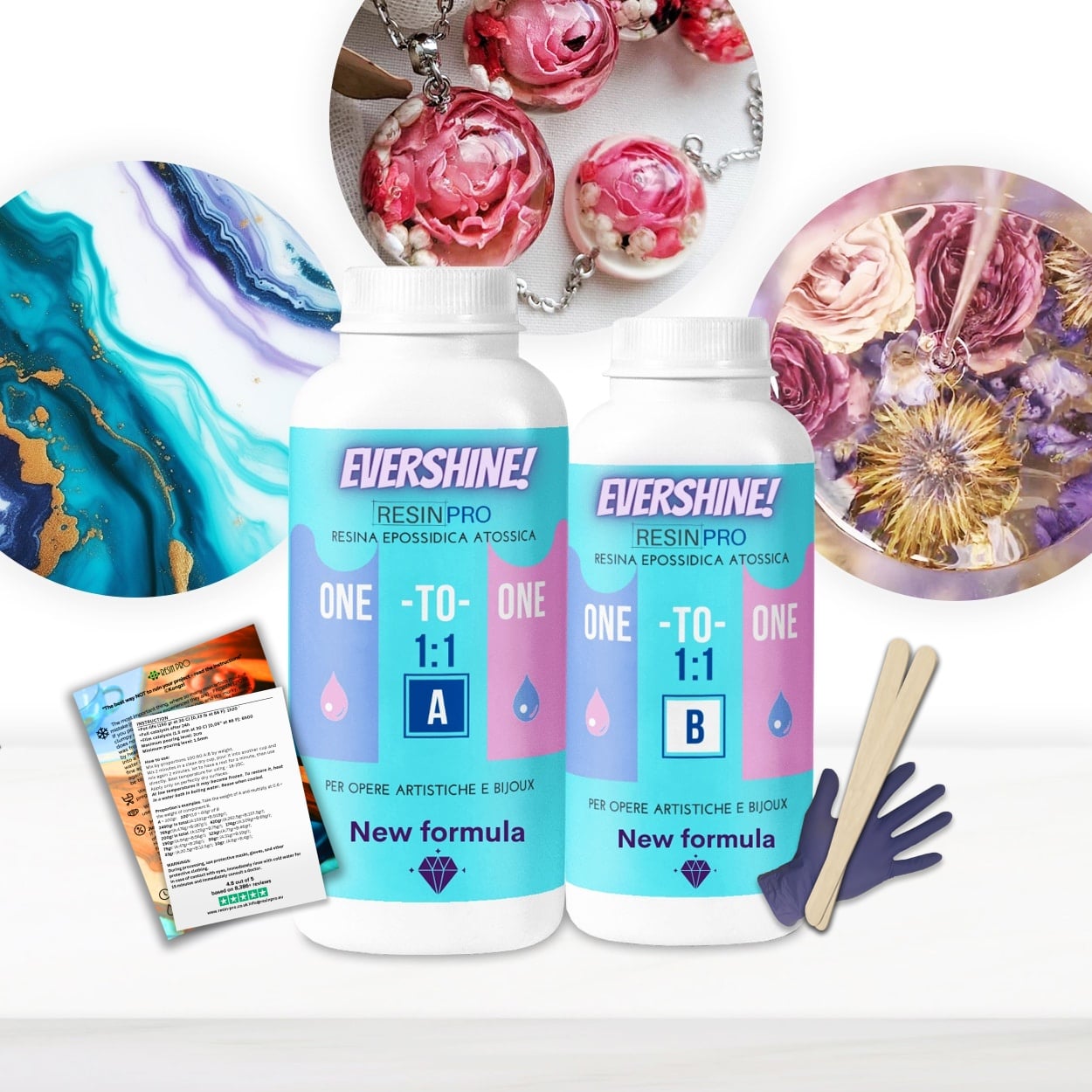 "One-2-One" – Epoxy Resin for Handcraft, 1:1 Mixing RatioPrice range: £14.85 through £56.85"One-2-One" is a medium viscosity epoxy resin with an easy 1:1 volume mixing ratio, suited for craft and jewellery projects in shaker resin making.
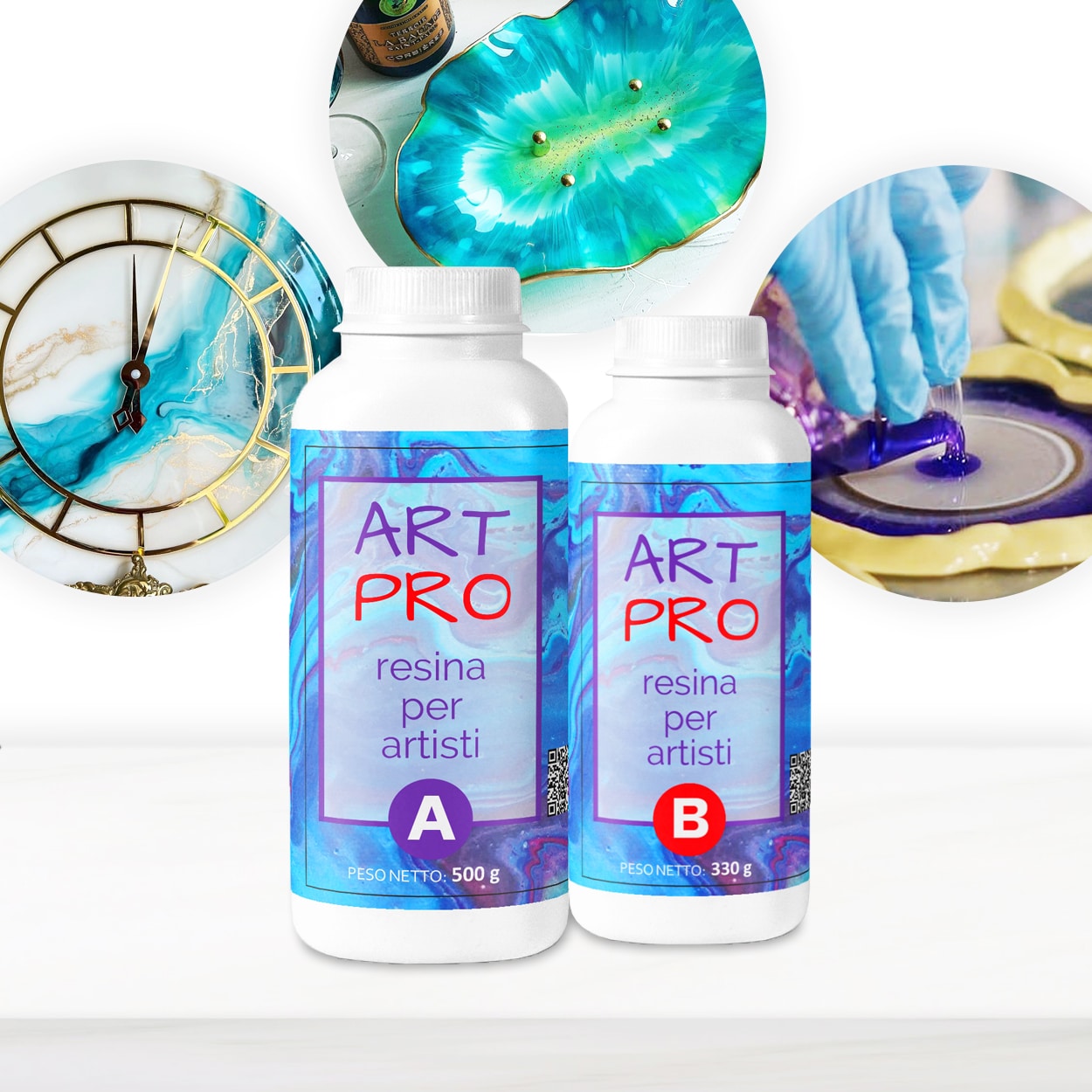 "Art Pro" – Clear Epoxy Resin for Artists and Surface CoatingPrice range: £31.15 through £388.85Medium viscosity clear epoxy resin designed for artists and hobbyists to create glass-like coatings on coasters and trays.
Frequently Asked Questions
Can you use UV resin for shaker charms?
Yes, UV resin is suitable for shaker charms and is especially convenient for small pieces as it cures quickly under UV light.
How do I prevent bubbles in shaker resin?
Mix resin slowly and pour carefully. Warming the resin slightly or using a heat tool can also help minimise bubbles.
How do you seal a shaker resin window?
Secure the acetate with a thin layer of clear resin or strong glue, ensuring a tight seal all the way around before curing.
What’s the best resin type for beginner shaker jewellery?
A 1:1 mix epoxy like One-2-One is popular for its easy mixing and reliable curing, while UV-cure resins offer speed for small projects.
Why is my shaker piece leaking?
Leaks are usually due to incomplete seals around the acetate window. Ensure all edges are bonded with resin or glue before finishing.
How can I make my resin shakers last longer?
Use resins with UV filters to reduce yellowing, handle with care, and avoid submerging in water for extended periods.
Can you use alcohol inks to colour shaker resin?
Alcohol inks are generally not compatible with UV resins. Stick to resin-safe colourants or pigments.
What is the best way to embed objects in shaker resin?
Add objects after the first resin layer has partially set or cured, then add a second clear layer to encapsulate them.