 Free shipping on orders over £29,85
  Shipping Tracking!


 Google
 Facebook
← Back to How do you thin resin?
When it comes to thinning resin, using anything other than what the manufacturer advises might seem tempting, but it’s a risk that can undermine your whole creative project. Substituting solvents or additives can introduce unexpected complications.
Why Sticking to Recommended Solvents Matters
Each resin system is formulated to perform optimally with specific solvents or thinners. Manufacturers rigorously test these systems, ensuring correct cure times, adhesion, and final appearance. Replacing the suggested solvent with an alternative can disrupt the delicate chemical balance, leading to tacky surfaces, uneven hardening, or even a complete failed cure. Unintended reactions can also introduce safety concerns, such as unexpected fumes or fire hazards.
Safe Alternatives: Water-Based and Solvent-Free Resins
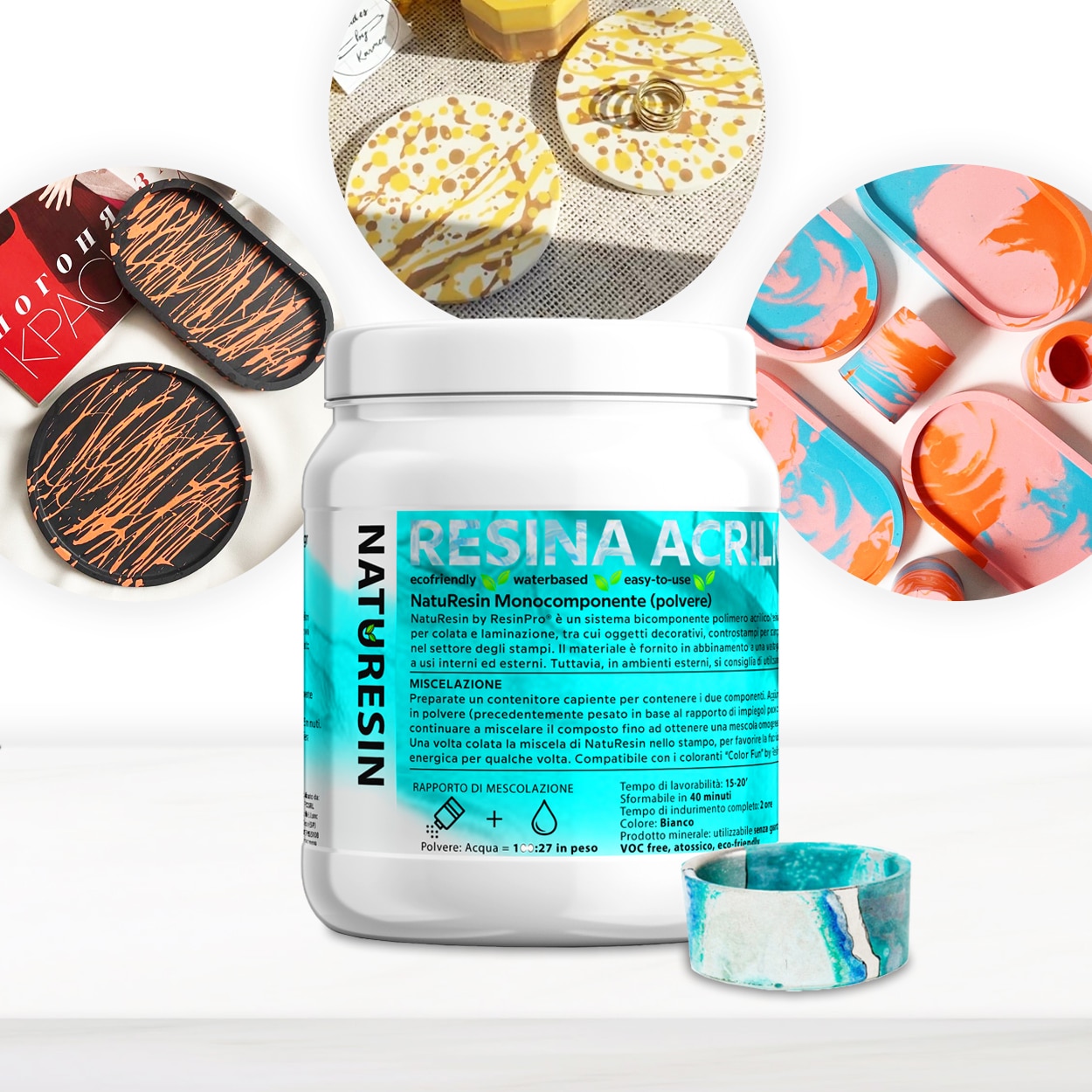
If you’re seeking safer or simpler ways to thin or activate casting materials, consider solvent-free options like NatuResin. This innovative mineral resin uses ordinary tap water for activation and thinning, making it far safer and easier to handle for both beginners and experienced crafters. Always check product instructions to ensure you’re using the right process and compatible add-ins.
When This Matters Most
- Health & Safety: Incorrect solvents can create harmful vapours or unpredictable chemical reactions.
- Project Reliability: Using the wrong thinner risks wasting resin and materials through failed cures.
- Finish Quality: Only approved thinners will maintain clarity and intended durability in your finished piece.
Related products
Related guides
Trusting manufacturer guidelines for thinning resin ensures reliable, safe, and attractive results. For more details on proper thinning techniques and alternative products, see the full guide on how to thin resin.